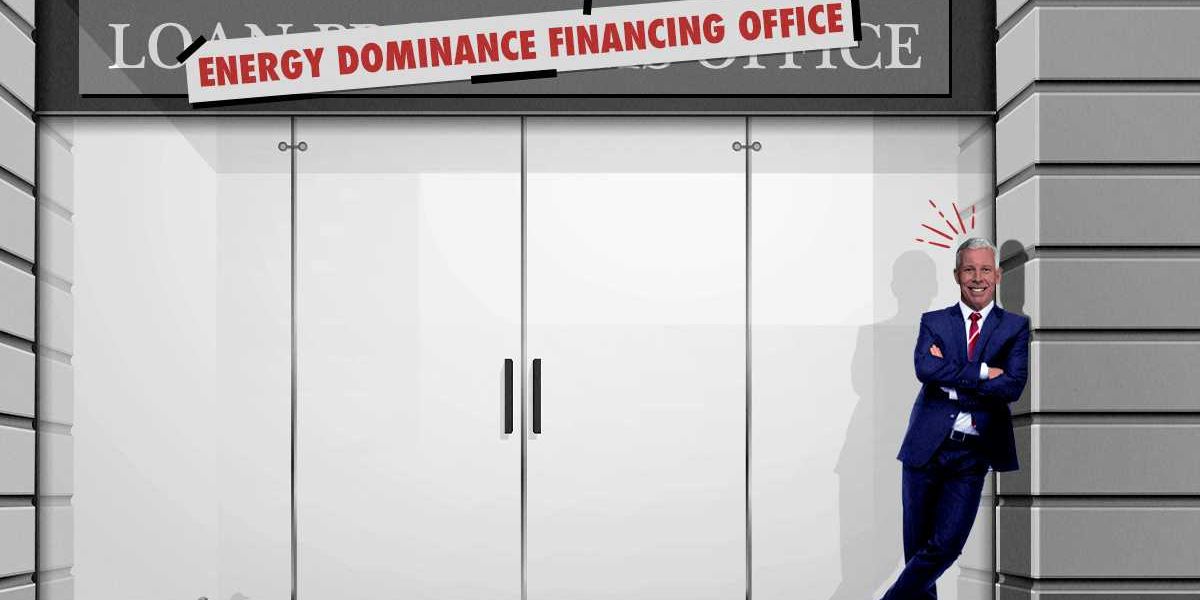
Energy Secretary Chris Wright announced a $1.6 billion loan guarantee for American Electric Power (AEP) to upgrade transmission lines, simultaneously signaling a significant strategic shift for the Department of Energy's Loan Programs Office (LPO), which is being rebranded as the 'Energy Dominance Financing Office.' Wright emphasized a preference for lower-risk, commercially viable projects with identified buyers, contrasting with the previous administration's focus on higher-risk, innovation-driven initiatives, exemplified by the cancellation of the Grain Belt Express project. This new direction prioritizes mature technologies and immediate ratepayer benefits, potentially impacting future financing for nascent energy projects, including nuclear, and raising concerns among former officials about the reliability of government commitments for long-term infrastructure investments.
Energy Secretary Chris Wright announced a $1.6 billion loan guarantee for American Electric Power (AEP) to upgrade 5,000 miles of transmission lines, a project anticipated to save energy consumers $275 million over its lifetime. This action coincides with the rebranding of the Loan Programs Office (LPO) to the "Energy Dominance Financing Office," signaling a strategic shift towards lower-risk, commercially viable projects with identified buyers. The AEP project, though conditionally approved under the prior administration, aligns with this new emphasis on mature technologies and immediate ratepayer benefits.
This new philosophy led to the cancellation of projects like the Grain Belt Express, which Wright cited as "far more expensive on a per mile basis" and carrying "unacceptable risk" due to a lack of secured power buyers. The administration prioritizes projects that reduce costs for major utility infrastructure upgrades, moving away from the innovation-focused program that previously supported higher-risk ventures banks might avoid. This represents a clear pivot in federal energy financing criteria.
The shift raises concerns for future financing of nascent energy technologies, including nuclear projects, as highlighted by former LPO head Jigar Shah, who warned of potential erosion of trust in government commitments for long-term infrastructure. Furthermore, the program's mandate has been altered, removing requirements for emissions reductions, despite AEP's project still offering potential grid efficiency and capacity benefits to support clean generation.
AEP's project specifically aims to increase transmission capacity by over 100%, with initial phases in Ohio and Oklahoma, and future expansions in Indiana, Michigan, and West Virginia, directly addressing growing demand from data centers and manufacturing. This direct support for established utility infrastructure upgrades positions AEP favorably under the new LPO framework.
AI-powered research, real-time alerts, and portfolio analytics for institutional investors.
Request DemoOverall Sentiment
mixed
Sentiment Score
-0.10
Ticker Sentiment
