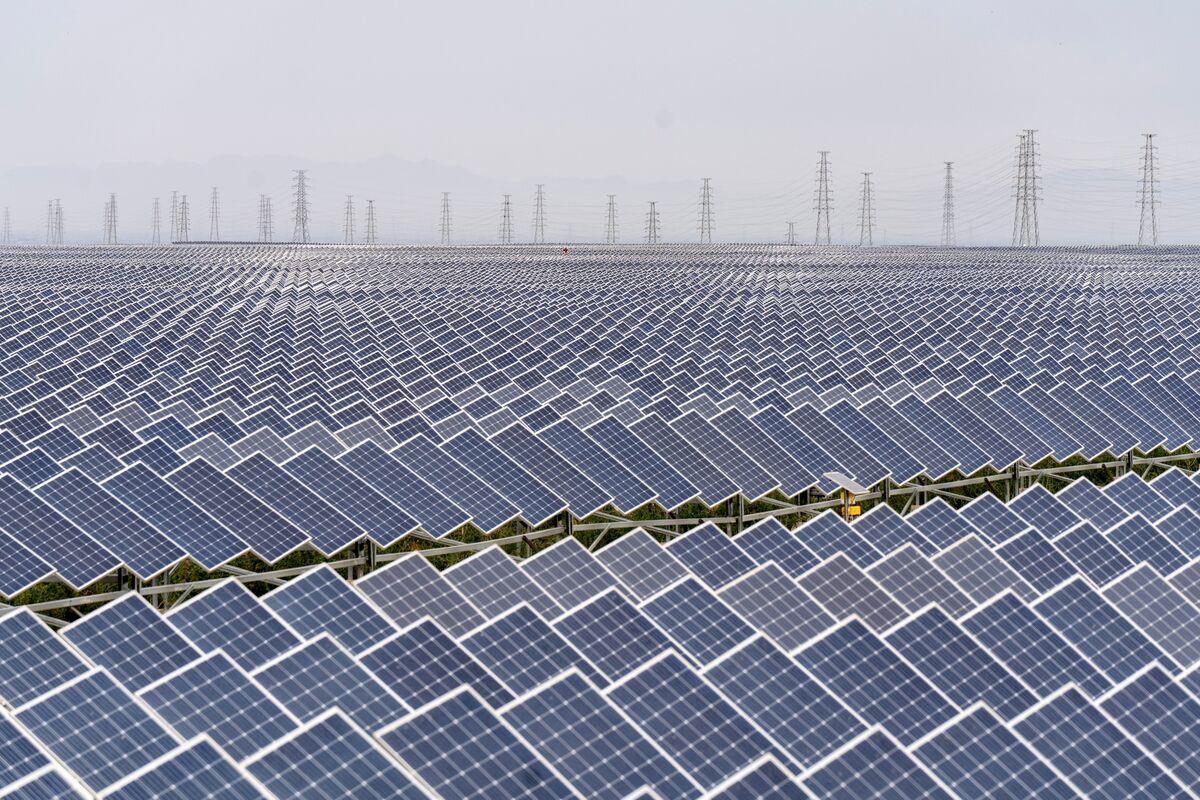
China’s climate envoy said oil and gas shortages triggered by the US war against Iran should push countries to accelerate energy transitions. He argued that some nations turning back to coal is only a temporary fix, underscoring the geopolitical vulnerability of fossil-fuel supply and the case for faster decarbonization. The comments link energy security directly to climate policy, but the article is largely interpretive rather than a direct market event.
The important second-order effect is not the rhetoric around climate policy, but the political repricing of energy security. Episodes like this tend to widen the perceived value of domestic, dispatchable power over imported molecules, which is structurally supportive for grid capex, storage, and transmission names even if commodity prices normalize. The market usually overweights the immediate fossil-fuel substitution and underweights the medium-term procurement shift toward resilience: utilities, industrials, and governments will pay up for optionality after a shock like this.
The nearer-term winner is not pure-play renewables in a straight line, but the ecosystem that makes electrification dependable: batteries, grid equipment, and flexible generation. If policymakers in Asia and Europe internalize the lesson, the marginal capital dollar moves toward infrastructure with short payback and security value, not just lowest LCOE. That creates a better setup for firms selling transformers, switchgear, interconnects, and storage systems than for project developers dependent on subsidy timing.
The contrarian risk is that energy-transition rhetoric can become a cyclical head fake after every supply shock. In the next 1-3 months, high oil/gas prices can actually force a temporary resurgence in coal, diesel gensets, and gas-to-coal switching, pressuring near-term emissions narratives and delaying some renewable procurement. But over 6-24 months, the bigger risk to incumbents is that governments convert this into policy: strategic reserves, accelerated permitting, and local content mandates that compress returns in fossil supply chains while improving visibility for grid and clean-energy capex.
For portfolio construction, the key is to separate tactical fossil volatility from structural beneficiaries of energy resilience. This is a classic “short the bridge, own the toll roads” setup: the bridge is expensive hydrocarbons, the toll roads are electrification infrastructure and storage. The move is only partly priced because investors still treat climate policy as a standalone ESG factor rather than as a national-security budget line.
AI-powered research, real-time alerts, and portfolio analytics for institutional investors.
Request DemoOverall Sentiment
neutral
Sentiment Score
0.00
