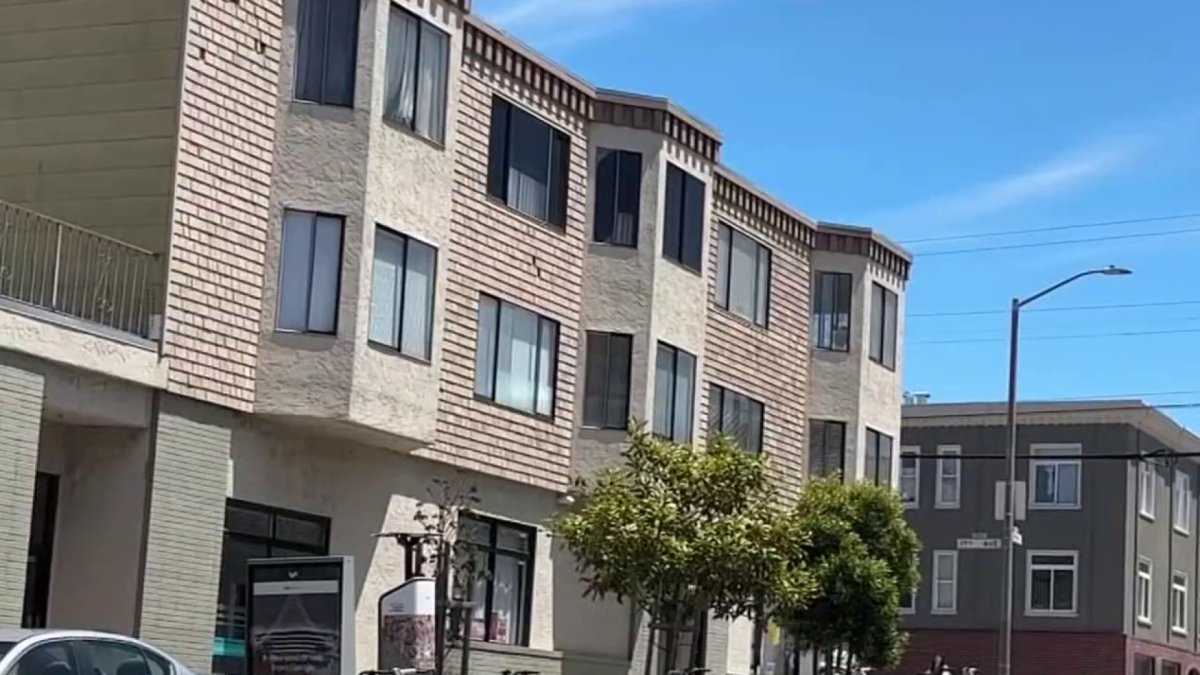
San Francisco rent for a one-bedroom apartment has reached $4,000 per month, highlighting a new all-time high in local housing costs. The article points to the city's AI boom as a key driver of rising demand and rents. This is primarily a local housing affordability story with limited direct market impact, though it underscores the economic spillover from AI activity.
The immediate beneficiary is not landlords as a monolith but the entire local labor market segmentation around high-paying, inelastic demand: AI employers, legal/finance, and the service ecosystem that feeds them. The second-order effect is a widening affordability moat that accelerates workforce stratification — firms paying below-market comp won’t lose office space first, they’ll lose talent and be forced into higher cash compensation or remote flexibility within a 1-2 quarter lag. That creates a hidden tax on mid-cap tech and professional-services employers concentrated in the Bay Area, while owner-operators of multifamily with short-duration leases get a direct pricing tailwind. The real risk is demand elasticity at the margin. At this rent level, the next cohort of renters is not “everyone” but only those with fresh equity compensation or strong bonuses, which means any cooling in AI hiring, IPO windows, or stock-based comp value can hit occupancy faster than headline rent surveys imply. Because housing costs feed into local wage demands, this can also become a self-reinforcing inflation pocket: if employers start offering geographic pay premiums, that supports rents for another 6-12 months; if they don’t, outbound migration and roommate formation rise first, then unit-level pricing power cracks. Contrarianly, this may be less a pure housing bull signal than a localized late-cycle concentration signal for the AI economy. When rent acceleration outpaces broad wage growth, it often marks an overheating node where beneficiaries are narrowly held and the rest of the ecosystem is squeezed. The move is probably overdone for generic housing-exposed longs if the market is already pricing a stable high-rent regime; the cleaner expression is to own the scarce-demand winners and fade businesses reliant on Bay Area discretionary spend. The main catalyst to watch over the next 3-9 months is AI hiring velocity and secondary equity issuance, not macro rates. If venture funding and big-tech hiring stay strong, the rent floor likely persists; if not, the adjustment can be surprisingly fast because rental turnover is monthly, not annual.
AI-powered research, real-time alerts, and portfolio analytics for institutional investors.
Request DemoOverall Sentiment
mildly negative
Sentiment Score
-0.10
