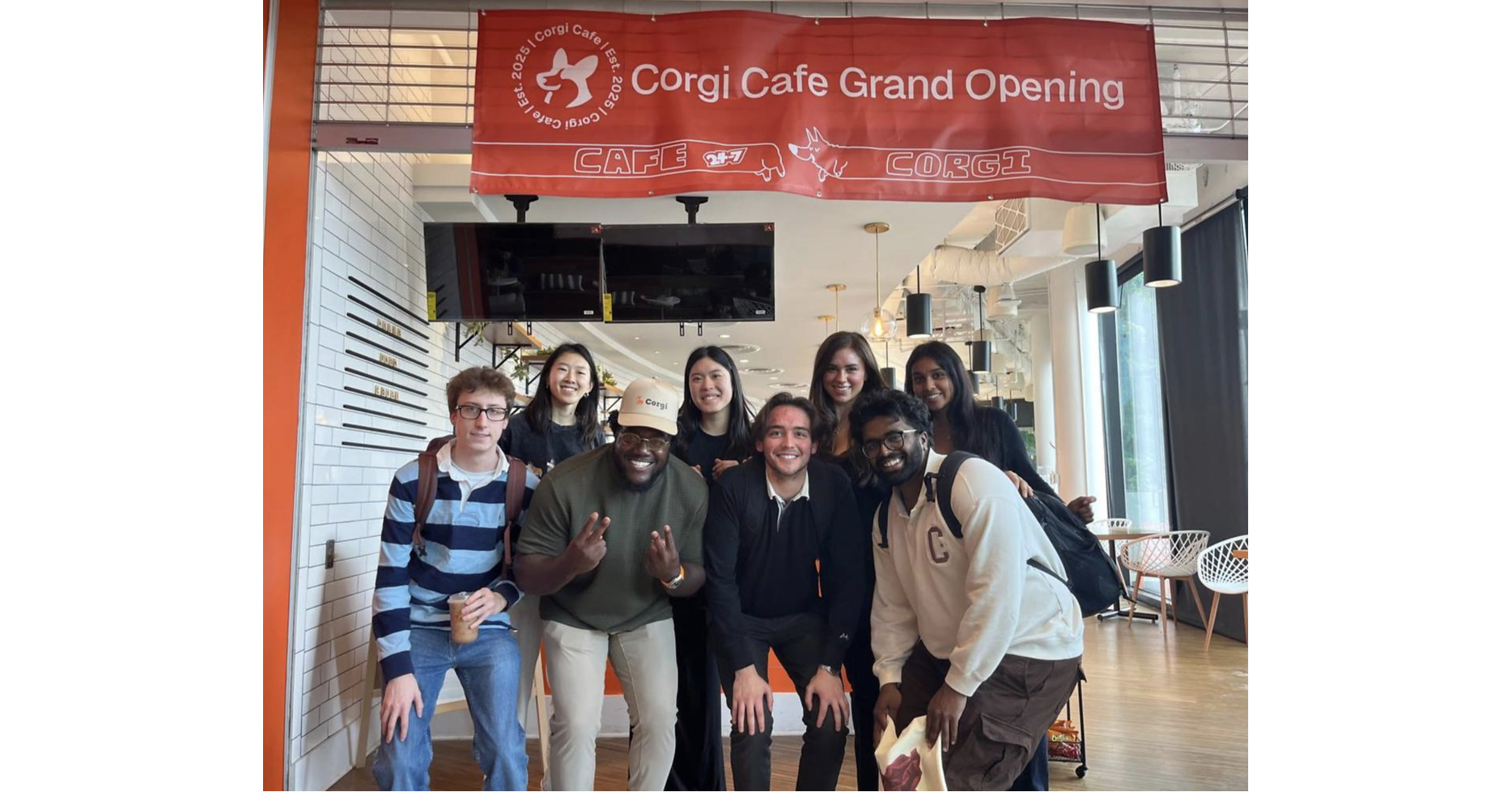
Corgi Insurance opened a second Corgi Cafe location in Atlanta Tech Village, expanding its 24/7 founder-community café concept beyond its flagship San Francisco site for the first time outside California. The release frames the expansion as part of building physical spaces for startup ecosystems in the Southeast, and notes Corgi reached EBITDA-positive status in 2026 and has raised $374M across Seed, Series A, and Series B.
This reads more like distribution theater than a near-term earnings event. A physical community footprint can matter for a private insurer only if it lowers CAC, improves hiring, or creates founder-led referral flow; until those show up in policy growth and loss ratio, the spend is just SG&A with branding benefits. The real economic question is whether Corgi is buying a cheaper customer-acquisition channel than paid digital, not whether the café itself is additive revenue.
Second-order, the only obvious winners are adjacent local service providers and the Atlanta startup ecosystem, but the market impact is too small to move listed equities directly. The more interesting implication is competitive: if this model works, other insurtechs may copy the “community-as-channel” playbook, which could compress differentiation back to underwriting quality and claims execution. That would be negative for peers whose valuation rests on growth optics rather than measurable unit economics.
The contrarian take is that investors may overread founder-community expansion as product traction. Over the next 1-3 months, the falsifier is simple: if Corgi does not show accelerating policy count, lower customer acquisition cost, or improved EBITDA leverage, the market should treat this as a marketing expense, not a moat. Over 6-18 months, the thesis only matters if additional locations translate into a repeatable, capital-light acquisition engine; otherwise it becomes an expensive narrative with limited hard value.
AI-powered research, real-time alerts, and portfolio analytics for institutional investors.
Overall Sentiment
mildly positive
Sentiment Score
0.10
Ticker Sentiment
