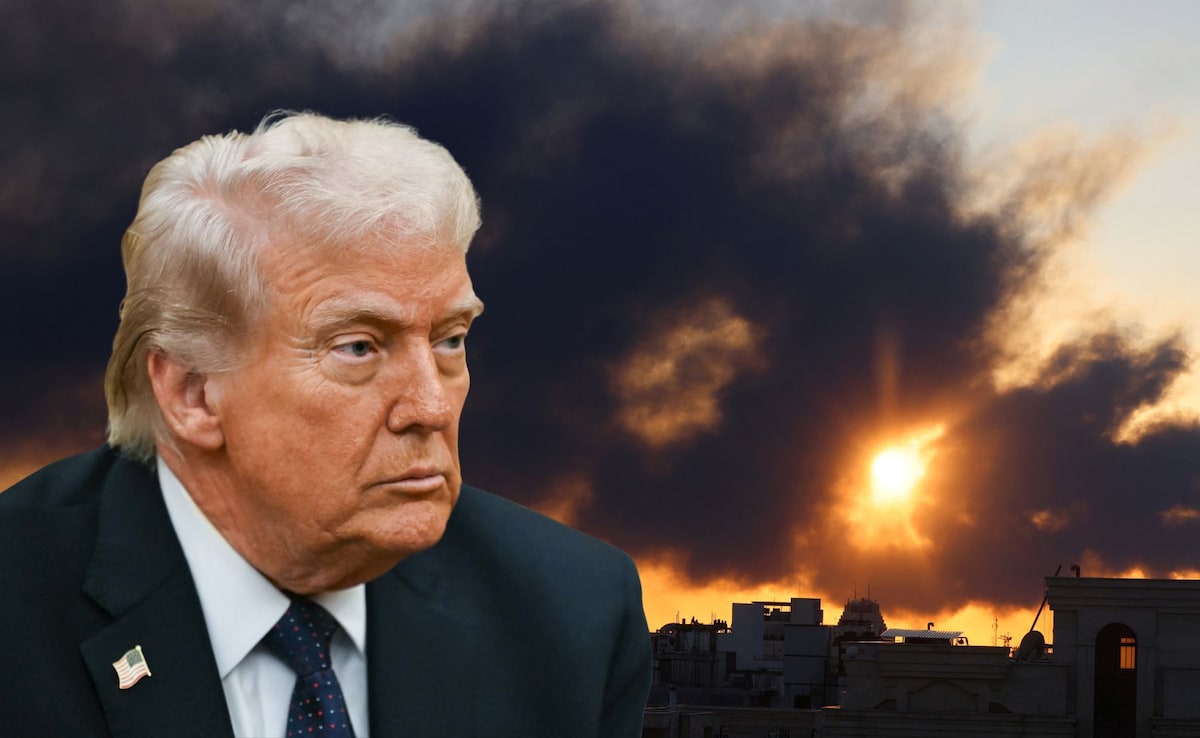
Key event: US-Israeli strikes killed Iran's supreme leader Ali Khamenei, triggering a war that has effectively choked the Strait of Hormuz (≈20% of global crude flows) and expanded missile/drone strikes across the Gulf. Authorities have released ~400 million barrels of strategic reserves, but oil and petrol prices have spiked with rationing reported in multiple countries, shipping disruption and higher insurance costs, creating inflationary and supply-chain stress. The conflict constrains US policy ahead of congressional elections, raises the likelihood of prolonged hostilities, and presents sustained upside risk to energy prices and downside risk to global growth.
A sustained, asymmetric disruption to hydrocarbon flows materially re-prices forward energy curves: a 3-6 month effective loss of 3-5% of global seaborne crude capacity historically equates to a $12–25/bbl shock to Brent and a 60–180bp pulse to headline CPI in advanced economies within one quarter, before demand destruction begins to bite. That dynamic compresses discretionary real incomes and lifts input costs for energy-intensive producers, creating a two-speed market where producers with short-cycle supply response (US tight oil, some LNG exporters) capture outsized free cash flow while integrated majors face longer lead-time capex decisions and widening refining cracks.
Secondary supply-chain mechanics amplify the macro shock: insurers and war-risk premiums re-rate marine and bulk freight, increasing time-charter equivalents and rerouting that adds 7–20% to voyage costs on diverted sailings — a pass-through that shows up first in container freight, bulk commodities (fertilizers, grains), and just-in-time manufacturing supply lines (auto, electronics) over 30–90 days. Currency and sovereign stress in import-dependent EMs will accelerate FX interventions and reserve draws, forcing central banks into policy trade-offs between FX defense and inflation fighting.
Politically, the risk horizon bifurcates: near-term (days–weeks) volatility driven by episodic incidents and tactical escalations; medium-term (3–12 months) structural shifts as governments reconfigure supply relationships and strategic inventory management. Reversal catalysts include a credible diplomatic de-escalation or rapid restoration of alternative export routes; absent those, expect protracted higher energy volatility, greater dispersion in equity returns, and an elevated floor under commodity prices for multiple quarters.
AI-powered research, real-time alerts, and portfolio analytics for institutional investors.
Request DemoOverall Sentiment
strongly negative
Sentiment Score
-0.85
