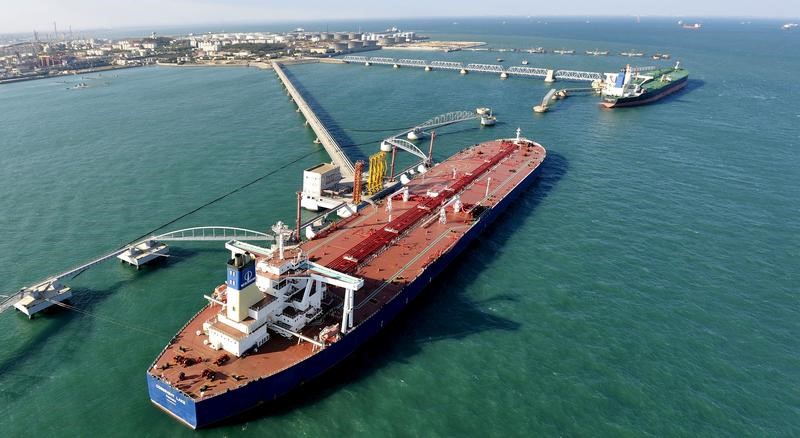
Russia is expanding a shadow LNG fleet to move sanctioned cargoes from Arctic LNG 2, with the tanker Merkuriy reportedly loading at the blacklisted Saam storage unit near Murmansk. The article says at least four former Omani tankers have recently switched to Russian flags and are moving toward the Arctic, potentially helping Moscow bypass Western restrictions and offer discounted LNG to Asian buyers. The development underscores tighter global LNG supply and could keep energy markets volatile.
The key market implication is not the headline sanction-bypass story itself, but the emergence of a second-price-discovery channel for LNG. If sanctioned molecules can reliably move on a gray fleet at a discount, global gas becomes more elastic at the margin: Europe and Asia may face a softer top-end price than the “tight supply” narrative implies, while compliant sellers are forced to defend share with lower netbacks. That is structurally negative for exporters whose economics depend on premium seaborne access, and mildly positive for downstream users that can arbitrage cheaper feedstock if the shadow market scales.
The second-order winner is likely Russian upstream monetization, not necessarily Russian project economics. A dark-fleet buildout reduces the bottleneck from shipping capacity to sanction enforcement, which is a slower-moving constraint and harder for Western policymakers to tighten without broader maritime enforcement. The larger risk is reputational and operational: older vessels, opaque ownership, and rerouting increase the probability of incidents, insurance exclusions, and port refusals, which can create intermittent supply shocks rather than a smooth flow of discounted barrels.
For public equities, the immediate read-through to GLNG is neutral-to-slightly negative only through sentiment and sector multiple compression, not direct project exposure. The more actionable trade is on gas price vol: if shadow supply offsets even a fraction of the current shortage narrative over the next 1-3 months, front-month LNG-linked pricing should give back some geopolitical premium, but the longer-dated curve should stay bid until enforcement proves durable. Consensus is likely underestimating how quickly traders can stop treating sanctioned cargoes as completely unavailable once a reliable gray-market logistics chain forms.
AI-powered research, real-time alerts, and portfolio analytics for institutional investors.
Request DemoOverall Sentiment
mildly negative
Sentiment Score
-0.15
Ticker Sentiment
