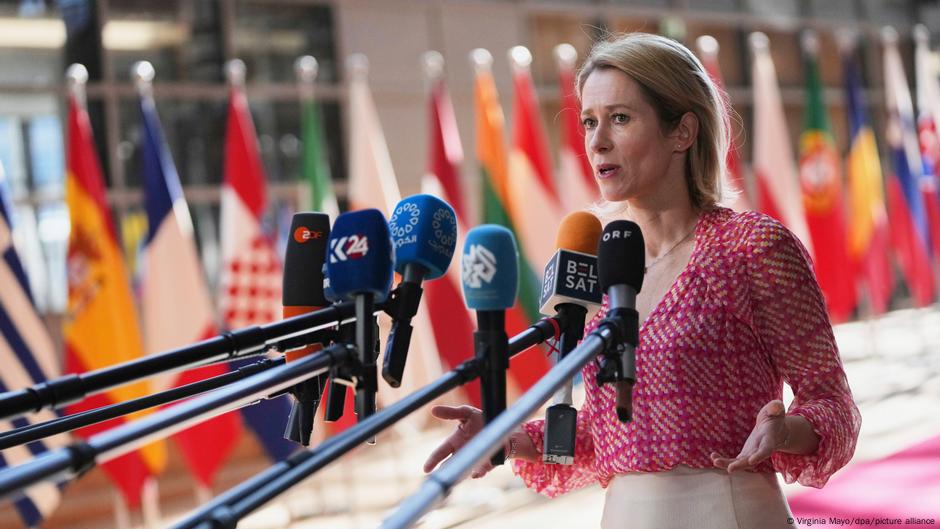
The EU is reviewing its trade partnership with Israel, formalized in the EU-Israel Association Agreement, in response to mounting pressure over the humanitarian crisis in Gaza and Israel's restrictions on aid, though Israel rejects the EU's critique and some member states oppose the review. While the UN has been permitted to send some aid, it remains far below the required levels, and some EU members are calling for sanctions against Israel, highlighting divisions within the EU regarding its approach to the conflict.
The European Union has initiated a formal review of its trade relationship with Israel, specifically the EU-Israel Association Agreement, in response to escalating concerns over the humanitarian situation in Gaza and restrictions on aid delivery. EU foreign affairs chief Kaja Kallas announced this step following Israel's intensified military operations in Rafah and continued tight control over aid, despite some recent allowances described as a 'drop in the ocean' against a daily need of 500 trucks versus the approximately 100 permitted. This move, underpinned by calls from member states like Spain and France to potentially invoke Article 2 of the agreement for suspension due to human rights violations, faces internal EU division, with nations such as Germany expressing continued support for Israel. Israel has rejected the EU's critique, and ten member states reportedly did not support the review. The situation is further contextualized by a €1.6 billion EU aid package for Palestinians, whose effective delivery is now a focal point, and a joint condemnation from France, the UK, and Canada regarding Israel's actions as 'wholly disproportionate.' The negative sentiment (score -0.3) and moderate market impact (score 0.4) associated with this development underscore the geopolitical and economic uncertainties, which experts view as a critical test of EU credibility and its ability to act cohesively on foreign policy and international law.
AI-powered research, real-time alerts, and portfolio analytics for institutional investors.
Request DemoOverall Sentiment
Negative
Sentiment Score
-0.30
Ticker Sentiment
