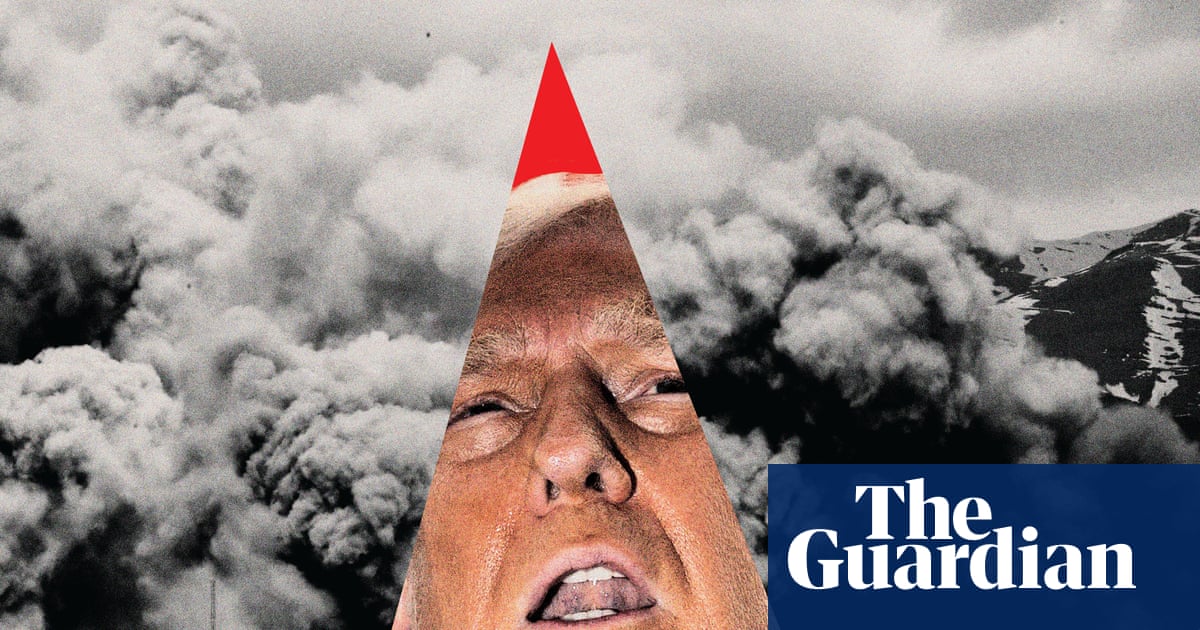
The Iran war and related disruptions through the Strait of Hormuz (which carries ~20% of global oil shipments) threaten to push oil and gasoline prices higher—regular gasoline is already above $3.50/gal—increasing inflationary pressure from February’s 2.4% y/y and likely delaying Federal Reserve rate cuts. U.S. measures (insuring tankers, waiving some Russian sanctions, exploring Venezuelan output) may soften supply shortfalls but are unlikely to quickly reverse the largest oil-price jump in decades, hitting trucking, farming, retail, and airlines and eroding presidential approval.
Maritime-security measures and sanction waivers create a durable wedge between physical crude flows and financial oil markets: insurers, charter rates and route length now matter as much as wellhead supply. Expect tanker time-charter rates to rise 30–150% on specific route disruptions (Suez/ Hormuz diversions) over the next 1–3 months, creating outsized cash-flow gains for modern tanker fleets while generating transient basis dislocations between Gulf Coast, Caribbean and Mediterranean barrels.
Inflation transmission will be lumpy and sectoral: energy-driven cost-push will hit transportation, farm inputs and freight-sensitive retail margins within 1–3 months, adding roughly 20–40bps to core CPI in the near term absent rapid de-escalation. That in turn pushes a realistic Fed-rate-cut window out by 3–6 months, compressing cyclical multiple expansion and favoring cash-generative commodity firms over long-duration growth assets.
Political risk is binary and the dominant market catalyst: a rapid domestic-political backdown would remove the risk premium very quickly, compressing tanker/energy equities and LNG forward curves within weeks; a protracted campaign (including ground options) would sustain elevated energy premia and force structural rerouting of flows for quarters. Sanctions waivers and Venezuelan/Russian supply enlargement are a near-term cap on upside but will create arbitrage opportunities in crude quality and logistics capture.
Second-order winners include LNG exporters with spare liquefaction and modern tanker owners; losers are fuel-intensive service sectors and fertilizer producers with spot-NG exposure. Across scenarios, active convexity positions (calendar spreads in freight and oil, options on LNG curves) and pairing upstream producers against fragile transport names provide the best asymmetric payoffs.
AI-powered research, real-time alerts, and portfolio analytics for institutional investors.
Request DemoOverall Sentiment
mildly negative
Sentiment Score
-0.35
