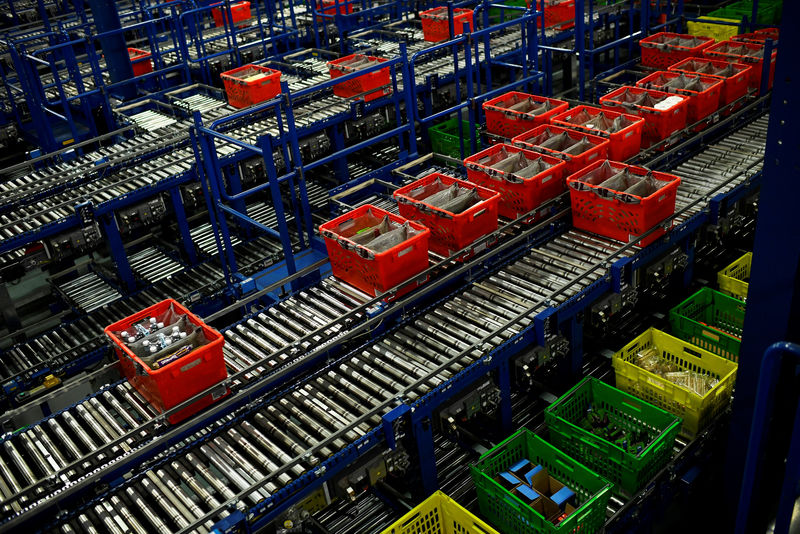
Ocado shares surged over 12% after announcing a partnership with Asda to power the supermarket's ecommerce operations via the Ocado Smart Platform, with rollout starting in 2027. The deal covers front-end webshop, in-store fulfilment, last-mile planning, and aggregator orders through Uber Eats, Deliveroo and Just Eat, strengthening Ocado's technology-led growth story. Management said the transaction is not expected to have a material FY26 financial impact, and Ocado still expects cash flow positivity in 2H FY26 with full-year positivity in FY27.
This is a credibility-reset event for Ocado’s technology franchise, not yet a P&L event. The market will likely extrapolate a large addressable win, but the more important signal is that a major UK grocer is choosing a third-party stack for front-end, fulfillment, and route optimization rather than building in-house; that strengthens the valuation case for the platform narrative and weakens the “Ocado as a failing grocer” bear thesis. Second-order, the deal increases switching costs for other mid-tier retailers already struggling with labor inflation and poor delivery density, because a visible Asda implementation creates a reference case that can compress enterprise sales cycles across Europe.
The competitive pressure is subtler for Tesco and Sainsbury’s than the headline implies. The near-term risk is not immediate share loss, but margin erosion in the most profitable online baskets as service levels and delivery windows improve at Asda, forcing incumbents to fund more promotions, tighter time slots, or capex-heavy tech refreshes to defend loyalty. If aggregator integration works, Ocado is also positioning itself as the plumbing for multi-channel last-mile demand, which could become more valuable than the core grocery UI; that’s a higher-quality monetization path because it piggybacks on existing order flow instead of requiring a retailer to shift traffic.
The key catalyst is execution between now and the 2027 go-live window: investors are paying today for optionality that won’t translate into revenue for several quarters, so any delay would hit the multiple hard. The main tail risk is that the market front-runs a broader UK tech-services re-rating while the company still has limited cash flow proof; if FY26/FY27 cash generation slips, the stock can quickly de-rate back to a pure-duration story. Conversely, if management can show signed pipeline conversion and improving working capital before the launch, the market may start valuing Ocado more like a platform software vendor than a capital-intensive services business.
AI-powered research, real-time alerts, and portfolio analytics for institutional investors.
Request DemoOverall Sentiment
moderately positive
Sentiment Score
0.60
