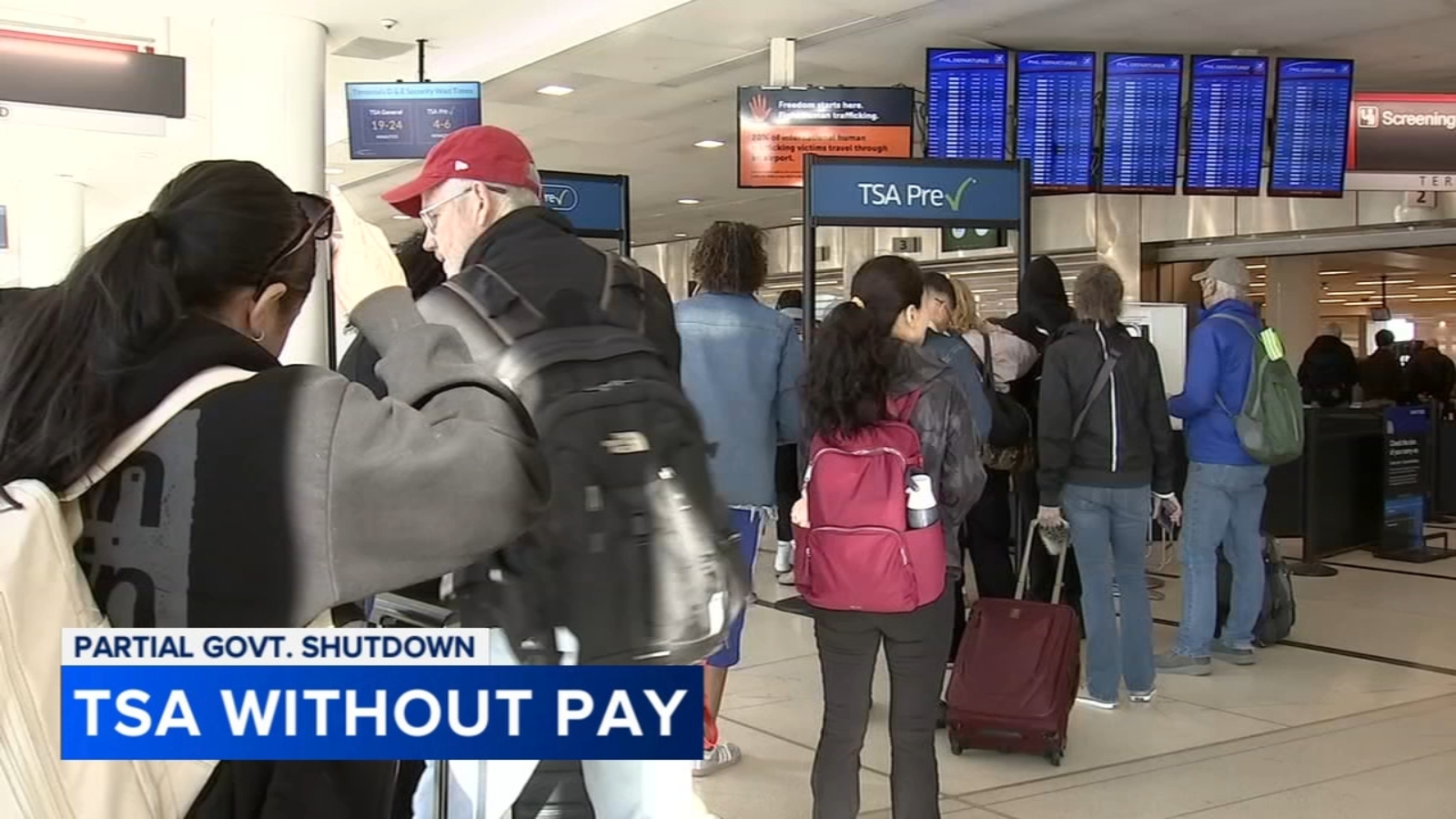
About 60,000 TSA employees received paychecks worth $0 one month into the partial federal government shutdown, and hundreds of officers have quit nationwide, exacerbating staffing shortages. At Philadelphia International Airport security lines averaged about 15 minutes or less, but TSA closed the Terminal C checkpoint and employees are taking second jobs, creating operational risk and potential for longer delays if absences continue to rise.
A government-payroll shock can create meaningful, short-duration shifts in on-the-margin labor supply that flow directly into gig platforms. Even a city-level influx of a few hundred to a few thousand part-time drivers can compress peak surge multipliers and reduce ETAs by measurable percentages (low-single-digit to mid-single-digit) over a horizon of days-to-weeks, improving rider experience but pressuring fare revenue per trip.
Those dynamics make rideshare platforms tactical beneficiaries in the near term (better availability, lower passenger wait friction), while airports and carriers carry the reputational and operational risk of sporadic checkpoint closures or longer queues during peak travel windows. If the disruption persists beyond a few weeks, attrition among federal staff and increased use of contingency staffing could force airports to pay premiums to third-party contractors or deploy capital to temporary infrastructure — a pathway to elevated non-operating spend for municipalities and airlines on a 1–6 month timeframe.
Catalysts that will reverse or amplify these effects are straightforward: a rapid funding resolution would snap labor supply back and remove the transient benefit to platforms within days; prolonged political standoffs, union work actions, or formal privatization moves would create multi-month to multi-year shifts (permanent hire of contractors, different procurement cycles). The odds favor a short-lived tactical window for platform liquidity gains, but the scenario contains asymmetric tail risks (mass resignations or policy changes) that would redistribute economic value across private contractors and ground-transport operators over quarters to years.
AI-powered research, real-time alerts, and portfolio analytics for institutional investors.
Overall Sentiment
mildly negative
Sentiment Score
-0.30
Ticker Sentiment
