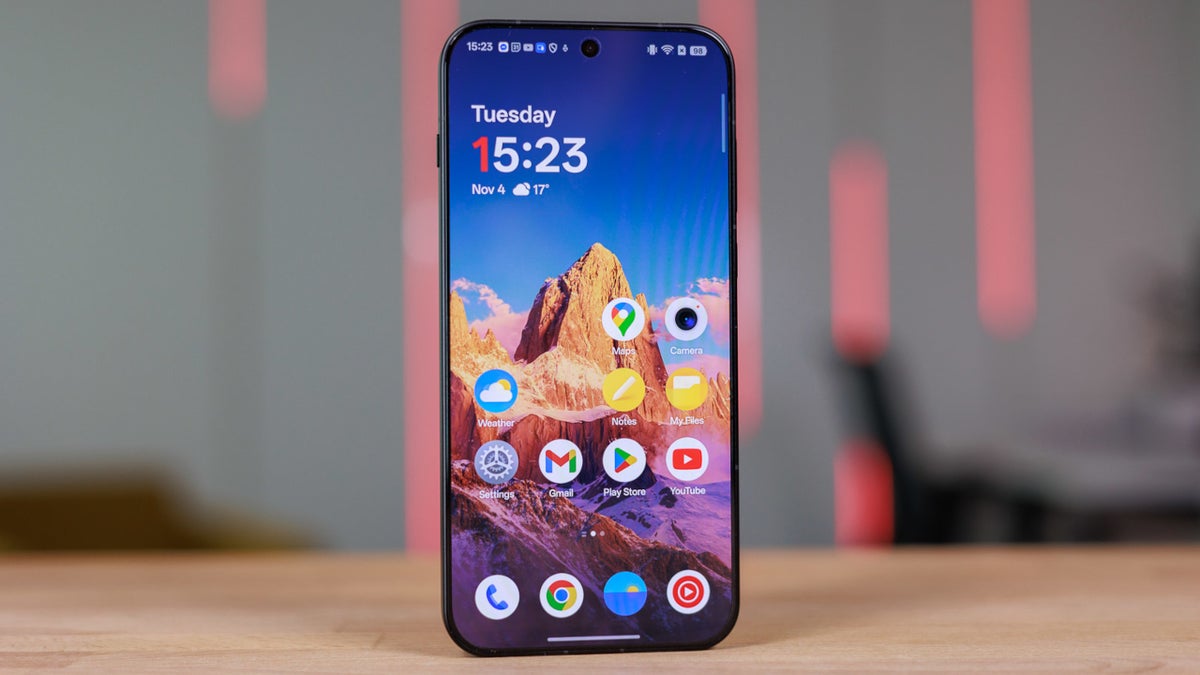
OnePlus has temporarily paused rollout of OxygenOS versions 16.0.7.XXX and 16.0.5.XXX after a small number of devices experienced abnormal restarts and boot issues, including boot loops. The company says its engineering team is investigating the root cause, developing a fix, and will resume distribution only after stability and reliability are validated. The update disruption affects the OnePlus 15 series and several prior models, with no timeline given for re-release.
This is less a handset-specific headline than a signal that premium Android OEM execution risk is still underpriced. A forced OTA pause creates a short, sharp trust shock that disproportionately hits the most profitable part of the install base: recent flagships and upgrade-seeking users. In the near term, the damage is reputational rather than financial, but the second-order effect is churn leakage toward ecosystems where update reliability is viewed as a feature, not a bug.
The competitive read-through is more relevant for AAPL and GOOGL than for the vendor itself. Apple benefits from the “it just works” premium whenever Android quality control falters, while Google benefits if users conclude that the safest Android experience sits closer to Pixel-first software cadence than OEM-skinned launches. The issue also reinforces a broader enterprise procurement bias toward controlled-device fleets, which supports managed iOS and Google Workspace endpoint ecosystems over fragmented OEM environments.
The main risk is duration: if the fix is validated quickly, this is a 1-2 week headline with limited lasting impact. If rollback instability, support backlog, or repeat incidents emerge over the next 1-3 months, the narrative shifts from a one-off bug to a governance/process problem, which is more damaging for brand elasticity and future launch adoption. The contrarian view is that the market may overreact to a software defect that likely has little direct P&L impact, creating a cleaner way to express the thesis through ecosystem winners rather than the problematic OEM itself.
For cross-sell dynamics, even a small uptick in dissatisfaction can change accessory and service attach rates at the margin, but the bigger effect is latent: users who were on the fence about their next phone purchase may pre-commit to Apple or Pixel earlier. That makes this a sentiment event with a longer option on future unit share rather than an immediate earnings revision story.
AI-powered research, real-time alerts, and portfolio analytics for institutional investors.
Request DemoOverall Sentiment
moderately negative
Sentiment Score
-0.35
Ticker Sentiment
