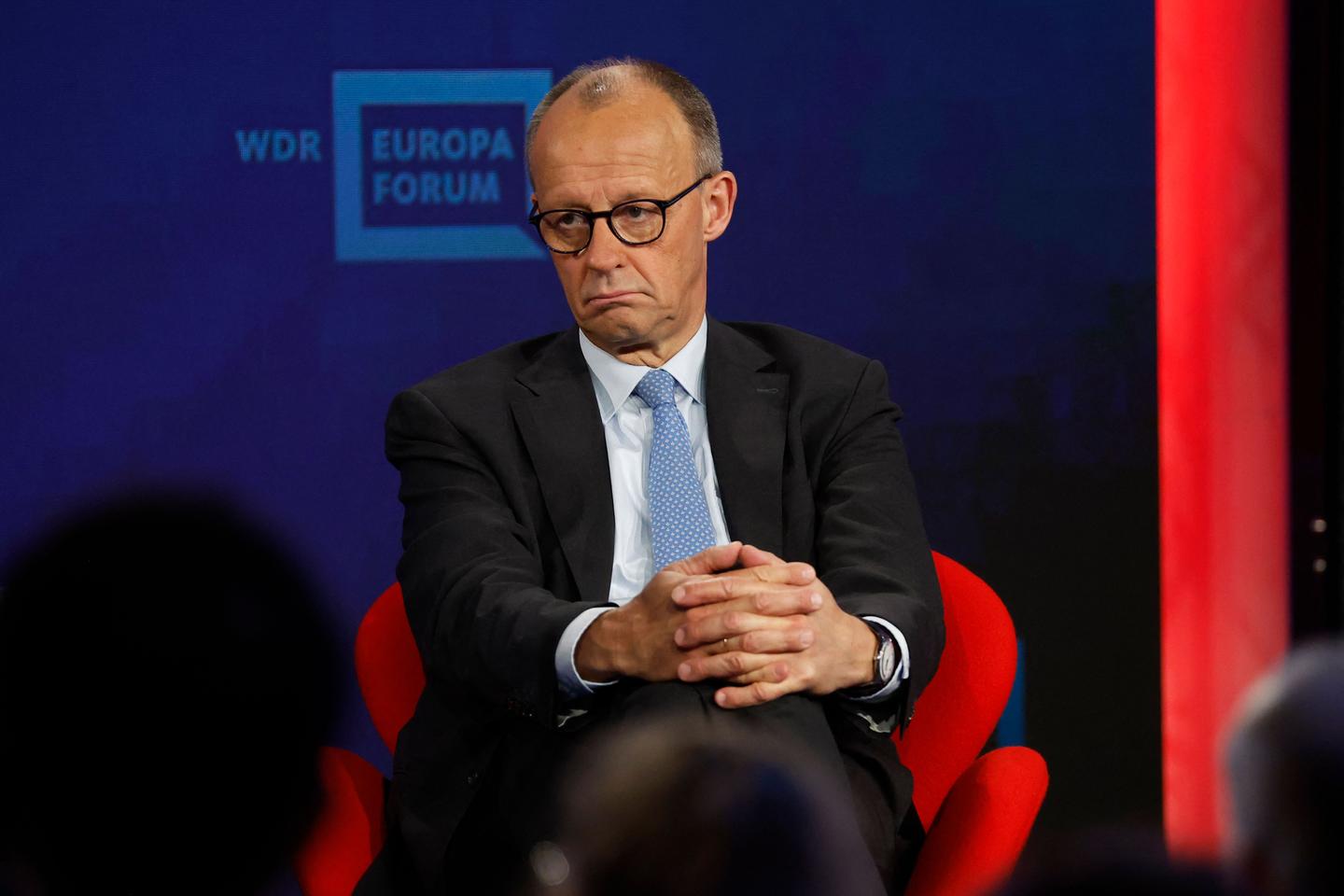
Chancellor Friedrich Merz announced that Germany, along with other key Western allies, has lifted range restrictions on weapons supplied to Ukraine, allowing Kyiv to strike military positions within Russia. This policy shift marks a departure from the previous German government's hesitancy to provide long-range weaponry and reflects a broader coordinated effort among Western nations to bolster Ukraine's defense capabilities amid stalled diplomatic efforts with Russia. The Kremlin has responded by calling this decision 'dangerous,' potentially escalating tensions.
Germany's new government under Chancellor Friedrich Merz announced on May 26th a pivotal policy change, aligning with the UK, France, and the US to lift range restrictions on weapons supplied to Ukraine, thereby enabling Kyiv to target military positions within Russia. This marks a significant departure from the previous German administration's cautious stance, which had avoided sending long-range systems like Taurus missiles due to fears of escalating the conflict with Russia; Chancellor Merz has previously supported Taurus delivery, though current policy emphasizes "strategic ambiguity" on specific arms. The decision comes amid stalled diplomatic overtures, which Merz claims Russian President Putin interprets as weakness, leading to intensified conflict, and follows US President Trump's recent efforts to broker talks. The Kremlin has labeled the Western allies' move as "dangerous," heightening geopolitical risk. This development carries a strongly negative sentiment (score -0.6) and a moderate market impact score (0.6), reflecting a material increase in geopolitical instability and the potential for further escalation.
AI-powered research, real-time alerts, and portfolio analytics for institutional investors.
Request DemoOverall Sentiment
strongly negative
Sentiment Score
-0.60
