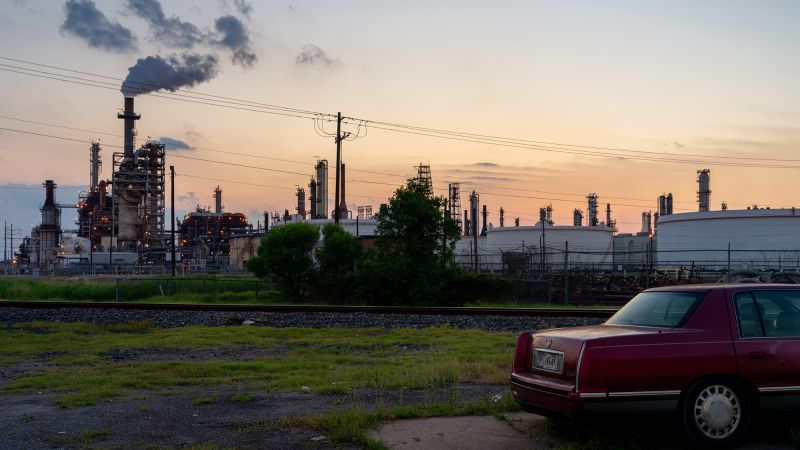
The International Energy Agency (IEA) has significantly revised its energy outlook, now projecting global oil and natural gas demand could grow until 2050 under a "current policies scenario," anticipating oil demand reaching 113 million barrels per day by mid-century. This shift, partly influenced by US pressure, also forecasts a 50% surge in LNG export capacity by 2030, driven by escalating power demand from data centers and AI, with data center investment potentially surpassing global oil supply spending. The report implies a prolonged demand for fossil fuels and highlights new, substantial energy consumption drivers, while acknowledging the world is likely to miss its 1.5-degree Celsius climate target.
The International Energy Agency (IEA) has significantly revised its long-term energy outlook, now projecting global oil and natural gas demand could grow until 2050 under its "current policies scenario." This scenario anticipates oil demand reaching 113 million barrels per day by mid-century, a 13% increase from 2024 consumption. This marks a notable departure from previous IEA expectations of a rapid transition to cleaner fuels and an earlier peak in oil demand.
The report also highlights a substantial surge in liquefied natural gas (LNG) capacity, with 300 billion cubic meters of new annual export capacity expected by 2030, a 50% increase. This expansion is primarily driven by escalating power sector demand, fueled by the rapid growth of data centers and artificial intelligence. Global investment in data centers is projected to reach $580 billion in 2025, surpassing the $540 billion spent annually on global oil supply.
Despite international climate pledges, the IEA's outlook suggests the world is likely to miss the 1.5 degrees Celsius warming target across all scenarios, implying a prolonged reliance on fossil fuels. This revised stance, influenced partly by US pressure and aligning with OPEC's skepticism on "peak oil," provides a more conservative view on the pace of energy transition. It underscores the complex interplay between energy security, economic growth, and climate objectives.
AI-powered research, real-time alerts, and portfolio analytics for institutional investors.
Overall Sentiment
moderately positive
Sentiment Score
0.40
