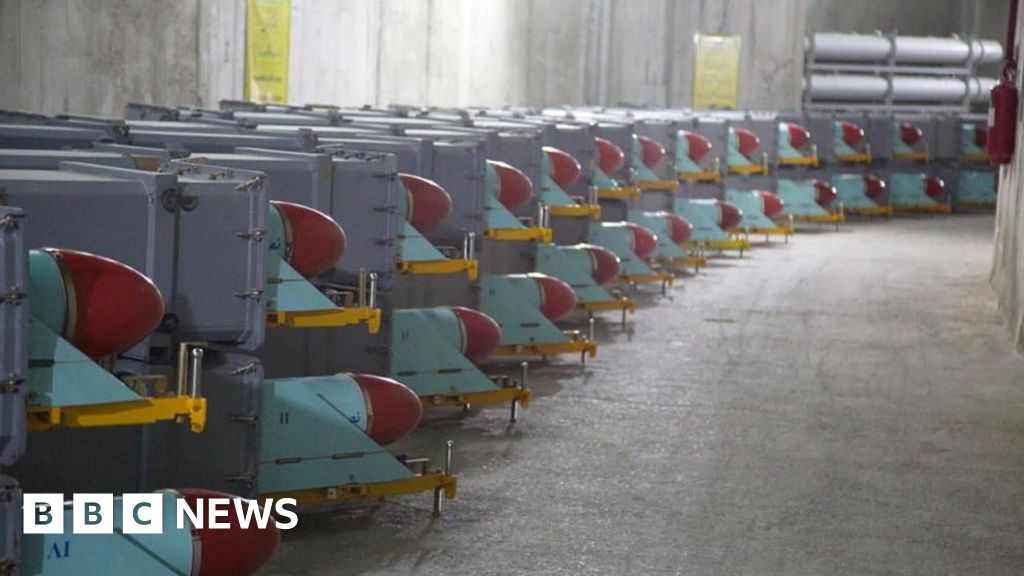
Iran has adopted an endurance-and-deterrence strategy rather than seeking conventional victory, leaning on layered ballistic missiles, long-range drones and regional allied armed groups to impose asymmetric costs on US and Israeli forces. By threatening US bases in neighbouring states and the Strait of Hormuz, Tehran aims to push up energy prices and political pressure to force de‑escalation, but decentralised command, limited missile stockpiles and the risk of widening attacks raise the probability of miscalculation and sustained market volatility.
Market structure: Energy producers, oil services and major defense contractors are the direct beneficiaries while airlines, Gulf-facing banks, regional equities and EM sovereign credit are immediate losers. Expect 1–4% incremental risk premium in Brent under limited disruptions (spikes of $5–$20/bbl possible); this shifts pricing power to integrated majors (XOM/CVX) and contractors (SLB, HAL) while compressing airline margins by 200–500 bps if oil stays >$85 for 30+ days.
Risk assessment: Tail risks include full/partial closure of the Strait of Hormuz (>$30/bbl spike), direct US‑Iran ground engagement, and cyberattacks on energy/financial infrastructure that could freeze markets. Time horizons: days — volatility/spikes; weeks–months — sustained higher oil, defense orderflow; quarters+ — regional realignment affecting capital flows. Hidden dependencies: shipping insurance, spare parts chains, missile stock depletion rates; catalysts include any strike on oil terminals or a 7‑day continuous Brent >$95.
Trade implications: Favor 2–4% portfolio tilt into energy + defense and hedges in gold/VIX; short airlines and Gulf-exposed regional banks. Use 3‑6 month call spreads on XLE/USO and 9–12 month LEAPS or call spreads on LMT/NOC for asymmetric upside. Entry window: act within 7–30 days; trim at 15–25% realized gains or if Brent reverts 10% from peaks.
Contrarian angles: Consensus assumes prolonged disruption; history (2019 tanker incidents) shows spikes often revert within 30–90 days absent infrastructure damage. Mispricings: oil services appear underowned versus majors — a sustained conflict would rerate SLB/HAL faster than XOM. Unintended consequence: rapid Gulf alignment with US could collapse the premium; incorporate a 60–90 day de‑escalation stop-loss/triage plan.
AI-powered research, real-time alerts, and portfolio analytics for institutional investors.
Request TrialOverall Sentiment
strongly negative
Sentiment Score
-0.60
