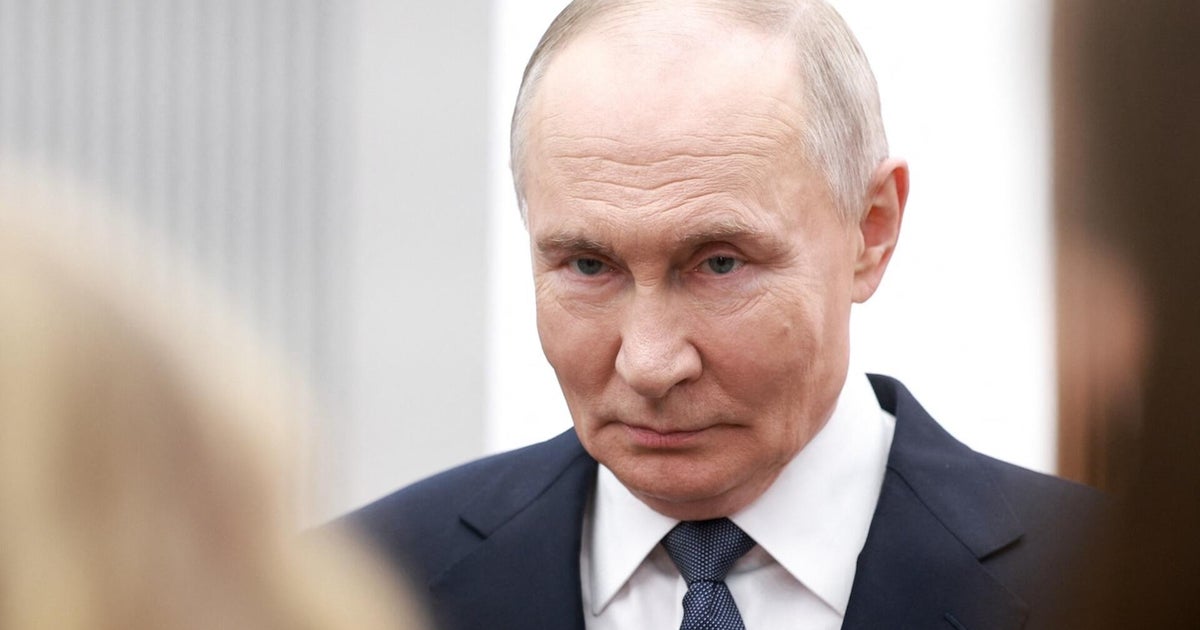
The U.K. announced new sanctions targeting Russia’s GRU and summoned the Russian top diplomat after an inquiry concluded President Vladimir Putin authorized the 2018 Novichok attack that killed Dawn Sturgess. The inquiry found GRU operatives brought the nerve agent from Russia and recklessly discarded a contaminated bottle in Salisbury; the U.K. framed the measures as part of efforts to squeeze Russian finances, counter disinformation and cyber operations, and strengthen Ukraine’s negotiating position, raising modest additional geopolitical and sanction-related risk for investors with Russia and Europe exposure.
Market structure: Targeted U.K. sanctions on the GRU raise the bar for national security spending and cyber procurement in NATO economies — direct winners are defense primes (BAE, RTX) and enterprise cybersecurity vendors (CRWD, PANW), while Russian-state assets and proxies remain direct losers. Pricing power: expect 6–18 month visibility into procurement awards and a potential 5–15% uplift to order backlogs for mid‑sized primes; supply constraints in specialized munitions and cyber talent could bid up margins marginally.
Risk assessment: Tail risks include Russian asymmetric retaliation (state-sponsored cyberattacks on UK/EU infrastructure) or escalation to energy sanctions that could push Brent >$90 (+10–25%) within weeks; low-probability but high-impact. Time horizons: immediate (days) for headline-driven volatility, short-term (1–3 months) for cyber shocks and options vol, and long-term (6–24 months) for sustained defense budget reallocation. Hidden dependencies: insurers, banks with Russian counterparties, and supply-chain exposure to sanctioned tech may create second-order losses.
Trade implications: Favor 6–12 month structured exposure to defense and cyber (call-spreads/LEAPS) and tactical short exposure to Russian asset ETFs; use GLD/options as a downside hedge. Cross-asset: bid for safe-havens (gold, USD) and widening Russian CDS should pressure EM credit spreads — use delta-hedged option strategies to capture vol spikes if cyber incidents occur.
Contrarian angles: Consensus underprices durable uplift to Western cyber spending and NATO procurement — the market may underreact for cyber names but overreact for immediate oil spikes that historically retrace. Historical parallel: post‑2018 Skripal drove policy and contracting changes more than persistent market dislocations; unintended consequence: accelerated EU decoupling from Russian tech supply chains benefits Western vendors over 12–36 months.
AI-powered research, real-time alerts, and portfolio analytics for institutional investors.
Request DemoOverall Sentiment
moderately negative
Sentiment Score
-0.35
