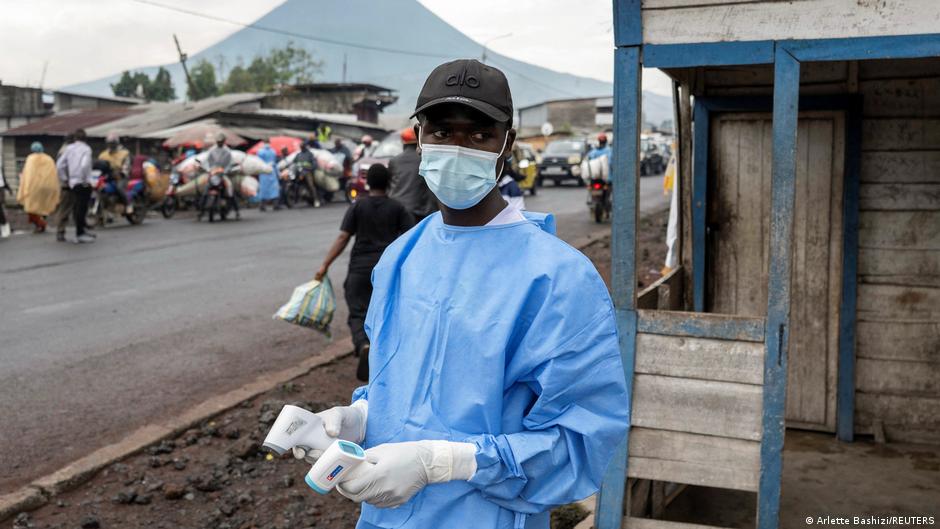
WHO says the latest Ebola outbreak in the DRC is far larger than reported, with almost 750 suspected cases and 177 suspected deaths, and has declared it a public health emergency of international concern. The virus is spreading beyond the initial hotspot into South Kivu, while Uganda has suspended public passenger transport to Congo for four weeks and India postponed the India-Africa Summit over outbreak concerns. The article also notes vaccine development is difficult for the Bundibugyo strain, raising broader containment and global health risk.
This is less a single-country health event than an operational shock to the fragility premium embedded in African logistics. The market should not just think about direct treatment spend; the bigger second-order effect is that border controls, passenger transport suspensions, and health-screening delays reduce throughput on already thin transport corridors, raising friction costs for importers, aid groups, and regional carriers. That tends to hit the most levered, least diversified names first: smaller African airlines, bus operators, and freight intermediaries with high exposure to East/Central Africa trade lanes.
The outbreak also creates a tactical beneficiaries/losers split across healthcare. Public-health procurement, cold-chain logistics, diagnostics, and protective equipment vendors can see a short-lived order spike, but the real asymmetry is in companies with relevant platform capability and no single-strain dependence. Any biotech with rapid-response vaccine or antiviral manufacturing optionality gains strategic value, while firms tied to travel, hospitality, and cross-border consumer demand face near-term volume risk as governments tighten mobility. The fact that access is constrained by conflict and aid disruption makes the downside more durable than a typical outbreak: containment odds worsen when surveillance lag is structural, not cyclical.
Consensus may be overestimating the speed of a vaccine or containment trade and underestimating the tail risk of a multi-month regional spread that periodically re-prices transport and EM risk assets. If confirmed cases keep appearing outside the initial hotspot over the next 2-6 weeks, the narrative shifts from local crisis to corridor-level disruption, which can pull down regional FX, sovereign spreads, and local equities even without a major global case count. Conversely, if case growth stabilizes quickly, the trade will mean-revert fast because headline risk is high but direct earnings exposure for most global listed names is limited.
AI-powered research, real-time alerts, and portfolio analytics for institutional investors.
Request DemoOverall Sentiment
strongly negative
Sentiment Score
-0.75
