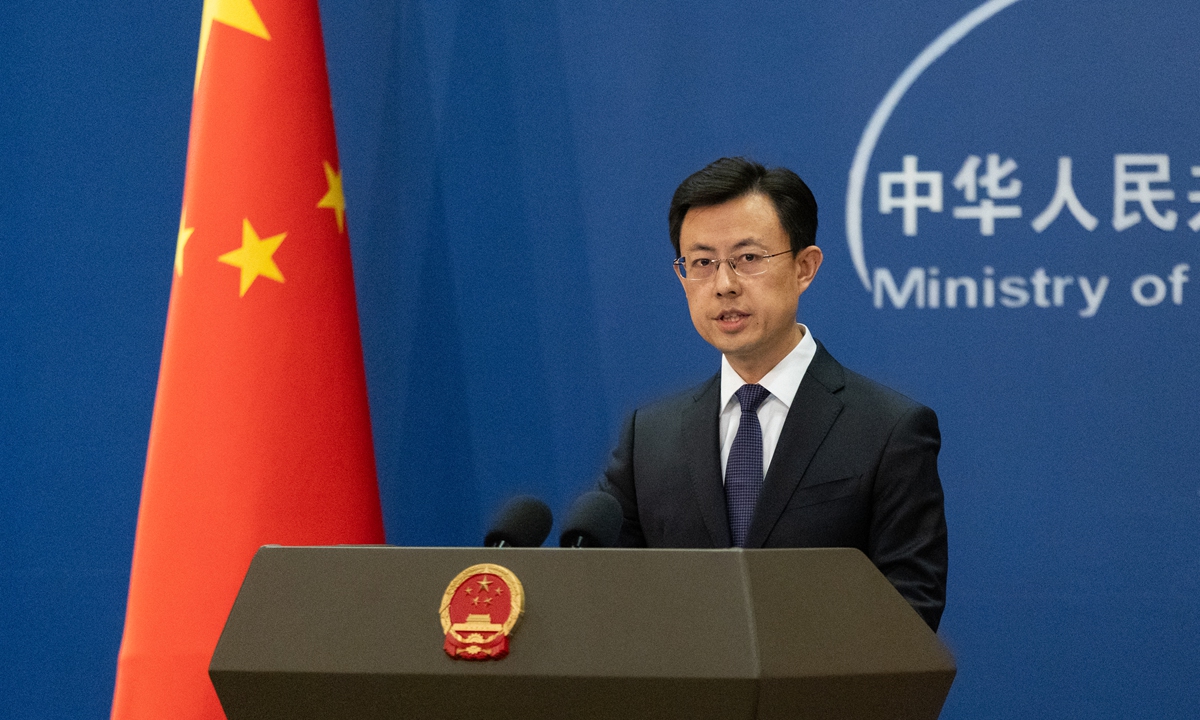
China said it is maintaining communication with the US regarding President Trump's planned visit, amid questions about whether new US maritime restrictions on Iranian ports and vessels bound for China could complicate the meeting. The article does not indicate an immediate policy shift, but it highlights geopolitical friction tied to sanctions enforcement and shipping flows. Market impact is likely limited unless the blockade intensifies or becomes directly tied to broader US-China talks.
The important read-through is not the bilateral rhetoric; it is that logistics friction around sanctioned oil is becoming a bargaining chip in a broader US-China negotiation. If Washington tightens maritime enforcement while Beijing resists de-risking, the near-term impact is a selective repricing of shipping, insurance, and port-exposed assets rather than a broad market shock. The first-order beneficiaries are noncompliant freight operators and alternative routing intermediaries in the Middle East and Southeast Asia; the losers are names with concentrated exposure to Iranian-origin crude or Chinese end-demand that depends on uninterrupted ocean freight.
Second-order effects matter more than the headline. A tighter blockade raises voyage times, insurance premia, and compliance costs, which compresses margins for tanker and dry bulk operators serving Asia, while supporting rates for vessels outside the sanctioned lanes via rerouting and inventory buffer demand. Over a 1-3 month horizon, this can also lift working-capital needs for Chinese refiners and traders that must source replacement barrels, creating a subtle drag on industrial liquidity even if headline crude prices do not move much.
The market is probably underpricing the tail risk that this becomes a bargaining lever ahead of the leaders’ meeting rather than a static sanctions action. In the next few weeks, any escalation would likely show up first in freight indices, marine insurance, and China-sensitive cyclicals before it reaches broad equity indices. The reverse is equally important: if the meeting appears on track, expect a sharp mean reversion in logistics-risk premia because much of this will be viewed as tactical signaling rather than a durable policy shift.
Contrarian view: consensus may be assuming sanctions friction is already "known" and therefore fully discounted, but the asymmetric move is in the second-order supply chain and shipping names, not energy outright. If enforcement is uneven, the real winner is gray-market logistics capacity, which tends to be crowded only after rates spike. That argues for event-driven positioning with tight stops rather than a macro hedge that depends on a sustained oil rally.
AI-powered research, real-time alerts, and portfolio analytics for institutional investors.
Request TrialOverall Sentiment
mildly negative
Sentiment Score
-0.15
