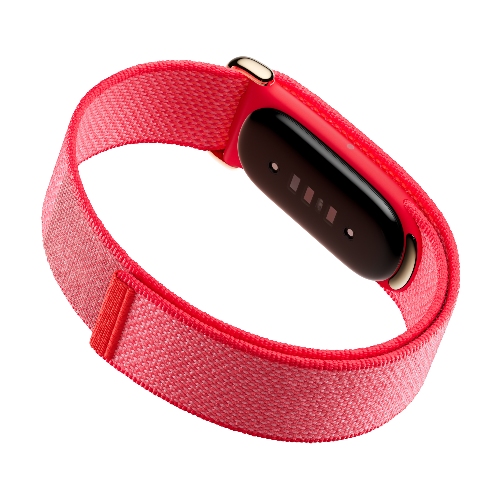
Google’s new Fitbit Air is a $99 screenless fitness tracker positioned as a companion to Pixel Watch 4, with support for simultaneous pairing in the Google Health app and seven-day battery life. The article praises its wearability and multi-device flexibility but criticizes the separate charger and the loss of key sensors such as GPS, ECG, and cEDA versus the Pixel Watch 4. Overall, it is a product feature review rather than a material market-moving event.
GOOGL is quietly creating a more defensible health-data ecosystem by making the watch and band complementary rather than substitutive. The second-order effect is not hardware revenue from a $99 accessory; it is retention and attachment rate for Pixel Watch buyers who can now justify keeping a premium watch for daytime while adding a lighter, cheaper layer for sleep and recovery. That raises the switching cost versus Apple and Samsung because Google Health becomes the arbitration layer for multiple sensors, which is where the long-term monetization optionality sits.
The bigger strategic tell is that Google is optimizing for data coverage, not device perfection. Even if the Air is less capable individually, the ability to stitch together day/night data streams increases total engagement minutes and improves model inputs for AI-driven coaching, which should widen the moat in personalized health recommendations over 12-24 months. That said, the battery of devices/champers mismatch is the kind of UX tax that can slow adoption among mainstream users and cap the attach rate until Google standardizes charging and accessories.
FLEX is a less obvious beneficiary only if Google’s multi-device health stack expands into a real category. If accessory volumes scale, there is incremental demand for low-cost, high-reliability components and potential design wins around charging, wearables mechanics, and third-party straps, but this is not yet a clean near-term earnings story. The contrarian risk for GOOGL is that the market may overestimate the halo from a niche tracker while underestimating the friction from fragmented charging and incomplete sensor parity; if users view the Air as a compromise rather than a seamless companion, adoption could flatten after the initial enthusiast cohort.
AI-powered research, real-time alerts, and portfolio analytics for institutional investors.
Request DemoOverall Sentiment
mildly positive
Sentiment Score
0.15
Ticker Sentiment
