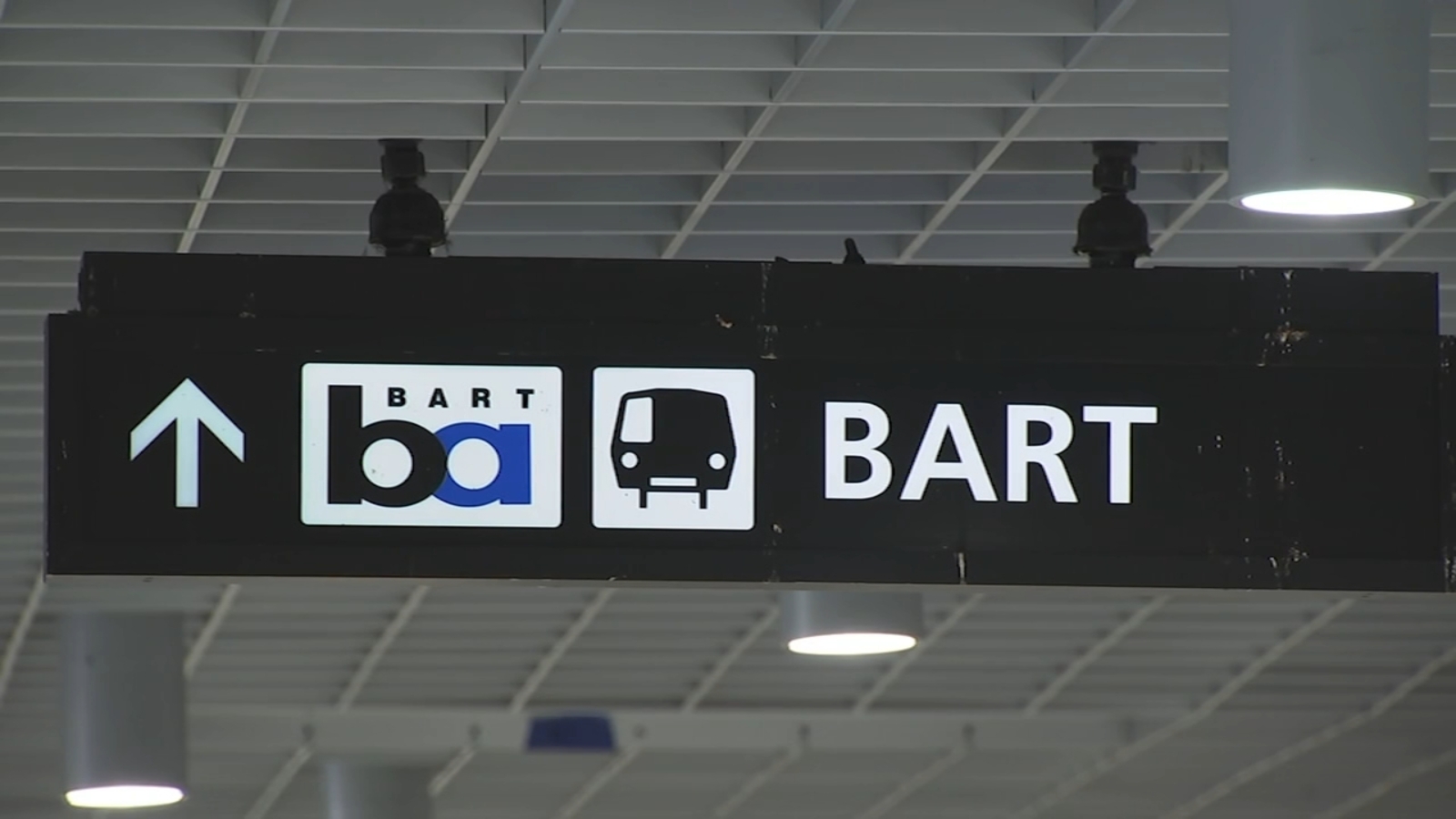
BART reports a $376 million budget shortfall and is proposing a half‑cent, 14‑year regional sales tax (Connect Bay Area) to fund BART, Caltrain, MUNI and AC Transit; failure of the measure would trigger steep service cuts including recommended closure of its 10 lowest‑ridership stations (e.g., Castro Valley, Oakland Airport, San Bruno). The proposal goes to BART's board at the end of February and would be decided by voters in November, creating near‑term revenue uncertainty for Bay Area transit operations and potential material impacts on regional commuting patterns and local economic activity.
Market structure: A November failure of the half-cent Connect Bay Area tax raises probability of acute budget tightening for BART and peers, favoring private mobility providers (Uber UBER, Lyft LYFT) and curbside/parking operators while hurting local transit-dependent retail and downtown office demand. Expect localized ridership contraction concentrated at the 10 lowest-station ridership nodes (e.g., Castro Valley, Oakland Airport, San Bruno), shifting short trips from fixed-rail to on-demand transport and ride-hail price power upward by a few percentage points during peak windows (weeks–months).
Risk assessment: Tail risks include a cascade where multiple agencies close stations, producing political backlash and state fiscal intervention (recall CA already provided a $750M loan) — a low-probability but high-impact credit event for small transit-revenue bonds within 6–18 months. Immediate risk (days–weeks) is sentiment and local muni bond spread widening; short-term (months) is operational cuts; long-term (years) is modal shift and property-value re-pricing near closed stations. Hidden dependencies: toll revenue, airport passenger flows, federal pandemic relief timing and November voter turnout; any of these can flip outcomes rapidly.
Trade implications: Direct plays include long UBER/LYFT equities or call spreads into Oct–Dec to capture incremental ride-hail demand (target 2–4% portfolio weight combined) and buying short-duration municipal bond protection (MUB put spreads) to hedge muni-spread widening. Pair trade: long UBER vs short Bay‑Area-focused multifamily REITs (EQR, AVB) to capture relative outperformance if transit cuts depress urban rents over 6–12 months. Timing: establish hedges within 30–90 days and scale directional exposure after August polling or a February board vote.
Contrarian angles: Consensus frames this as a public bailout; market may underprice modal substitution benefits to Uber/Lyft and overprice systemic muni risk because CA state backstops are plausible. Historical parallels (post-2008 transit cut proposals) show quick state/local rescues within 12–24 months rather than prolonged default — so limit duration of muni shorts to 6–18 months and size positions conservatively.
AI-powered research, real-time alerts, and portfolio analytics for institutional investors.
Request DemoOverall Sentiment
moderately negative
Sentiment Score
-0.50
