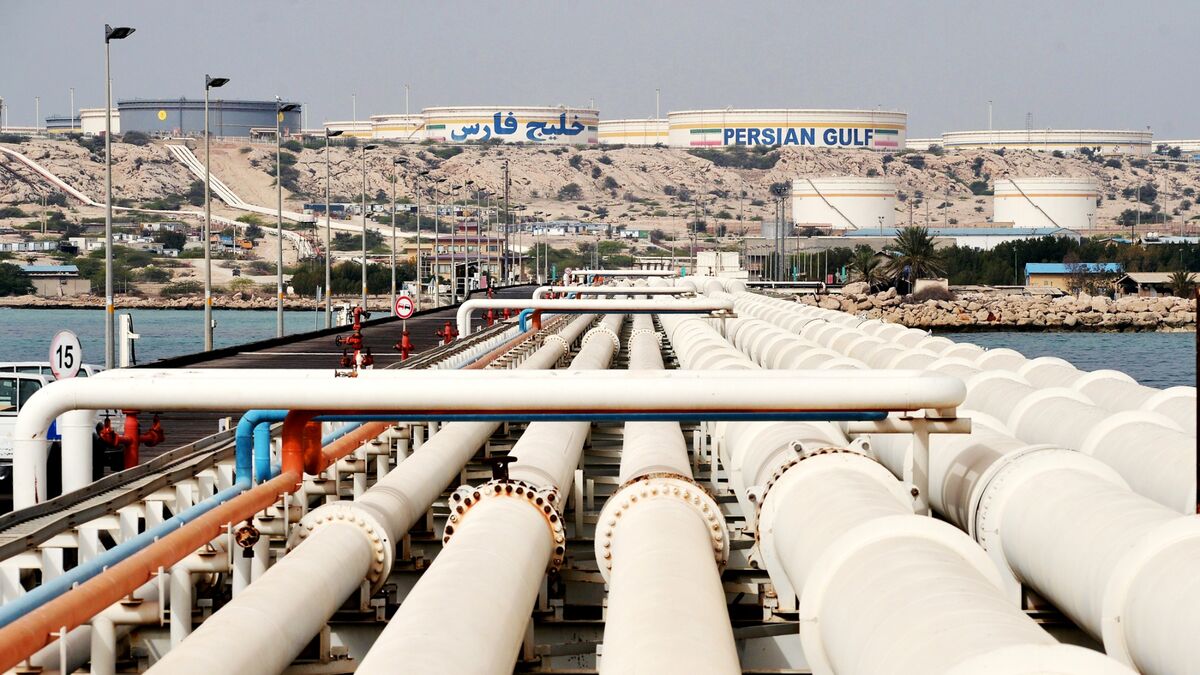
Iran’s crude oil production fell 19% last month, dropping by 546,000 barrels a day to 2.33 million barrels a day, according to OPEC data. The decline comes amid an ongoing conflict and US blockade of Iranian ports, underscoring supply disruption risk in the energy market. The report is likely to support a firmer geopolitical risk premium for oil and broader commodities.
The immediate read-through is not just tighter crude supply, but a higher probability that this conflict shifts from a localized disruption to a broader shipping-risk premium across the Gulf. Even if the physical barrels are partially rerouted, the market tends to reprice on the least fungible part of the chain first: tanker access, insurance, and port latency. That means the next leg is likely to show up in prompt Brent structure and freight-sensitive differentials before it fully expresses in headline flat-price moves.
Second-order beneficiaries are not necessarily the largest integrated producers, but the names with leverage to refined product cracks and non-Middle East supply optionality. US independents and Gulf Coast refiners can gain if Iranian barrels remain constrained long enough to tighten Atlantic Basin balances, while higher insured voyage costs should support tanker earnings and widen spreads for shorter-haul competing crude grades. The loser set is broader than Iran: Asian importers dependent on discounted Middle Eastern barrels may see margin compression, and any country using Iranian supply as a quasi-pressure valve will face harder negotiations on replacement crude.
The key catalyst horizon is days to weeks for risk premia, but months for actual balance-sheet damage if export volumes stay impaired. A reversal requires either a ceasefire/diplomatic corridor or a successful workaround that restores port throughput; absent that, the market may start pricing in inventory draws and OPEC+ spare-capacity speculation. Tail risk is asymmetric because even a modest escalation near chokepoints can trigger outsized moves in options-implied volatility relative to the underlying barrel loss.
The contrarian point is that this may be more of a logistics shock than a durable supply destruction event. If the market is already discounting some outage, the first move can overshoot before physical data confirm sustained export loss, creating an opportunity to fade flat-price strength while staying long optionality on dispersion — especially between crude benchmarks, refiners, and shipping. The highest-conviction setup is to own volatility and relative value rather than make a blunt directional oil bet.
AI-powered research, real-time alerts, and portfolio analytics for institutional investors.
Request DemoOverall Sentiment
moderately negative
Sentiment Score
-0.35
