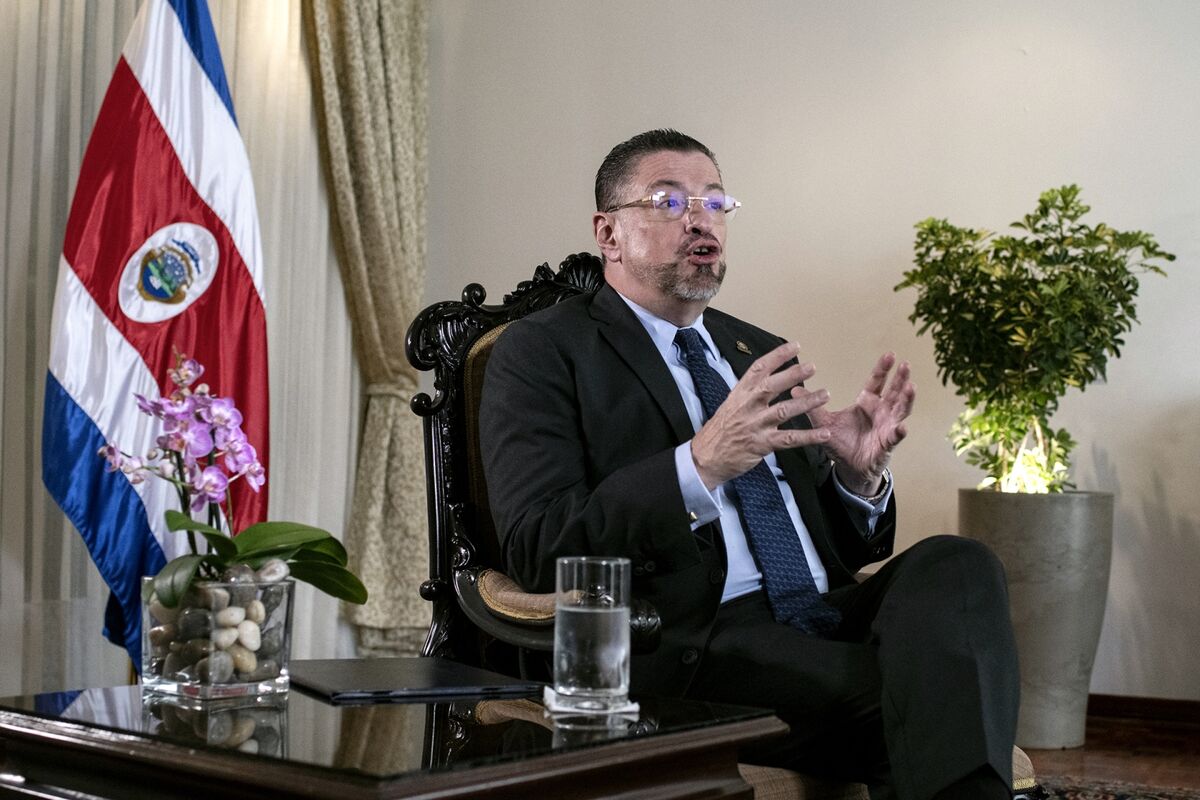
A Costa Rican court has voted to revoke President Rodrigo Chaves’s immunity in an alleged influence peddling case, forwarding the matter to congress for a final decision on whether he can be prosecuted. This development introduces significant political uncertainty and potential instability, which could impact investor sentiment and policy continuity in the country.
A Costa Rican court's vote to revoke President Rodrigo Chaves's immunity in an alleged influence peddling case introduces significant political uncertainty into the country's governance. While this is a preliminary step, with the final decision resting in the hands of the congress, the development elevates political risk for investors. The progression of this case signals potential for heightened domestic political friction, which could lead to policy paralysis or shifts in legislative priorities. Although the immediate market impact is assessed as low, the situation creates a negative overhang on investor sentiment regarding Costa Rican assets, as it directly challenges the stability of the executive branch and could disrupt ongoing economic and fiscal agendas.
AI-powered research, real-time alerts, and portfolio analytics for institutional investors.
Request DemoOverall Sentiment
mildly negative
Sentiment Score
-0.25
