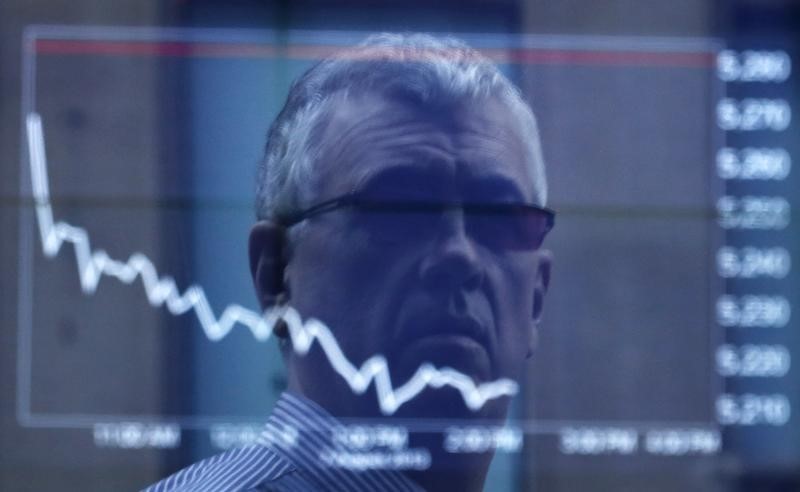
Australian equities fell 1.26% to a new 1-month low, with losses led by Gold, Metals & Mining, and Materials. Volatility rose 4.20% to 13.99 as gold slipped 0.25% to $4,474.05/oz and crude oil and Brent fell 0.96% and 0.78%, respectively, while AUD/USD was unchanged at 0.71. The article also references Iran peace proposals and reduced attack threats, but the market content is dominated by a broad risk-off move across local stocks and commodities.
The market is pricing this as a de-escalation headline, but the more important read-through is that risk premia are still being re-anchored at a higher floor. A softer geopolitical threat typically hits the second derivative first: crude and gold give back some of the panic bid, while equity investors rotate from defensives and hard-asset hedges toward cyclicals and rate-sensitive names. That said, the move is fragile because the market is not pricing a durable resolution — just lower near-term odds of immediate escalation.
The cleaner beneficiary set is not oil consumers broadly, but anyone levered to lower implied volatility and less commodity input uncertainty. In practice that means the biggest relative winners are usually airlines, transport, chemicals, and domestic industrials if the calm persists for 2-6 weeks; the losers are producers, miners, and energy-beta names that were trading on a geopolitical tailwind. In Australia, that also means the index-level damage can persist even if headlines cool, because the market’s composition is concentrated in commodities and financials are not enough to offset a weaker resources tape.
The contrarian risk is that this kind of pullback in rhetoric can actually extend the trade rather than end it: when immediate military risk fades, positioning unwinds, volatility collapses, and systematic flows can overshoot in both directions. If crude fails to hold the low end of its recent range for several sessions, expect a sharper mean reversion in gold and energy equities; if it snaps back on any fresh headline, the move higher can be abrupt because short-vol positioning is likely still elevated. The key horizon is days, not months — this is a headline-driven tape until the market sees whether diplomacy is substantive or merely tactical.
From a cross-asset standpoint, the most interesting setup is that lower commodity stress could re-open the case for higher-beta equities without forcing a broad risk-on rally if the dollar stays range-bound. That creates a short-window opportunity in relative value rather than outright beta: short the names and sectors that were most reflexively bid by war-risk, and own the beneficiaries of falling input costs and lower volatility.
AI-powered research, real-time alerts, and portfolio analytics for institutional investors.
Request DemoOverall Sentiment
mildly negative
Sentiment Score
-0.25
