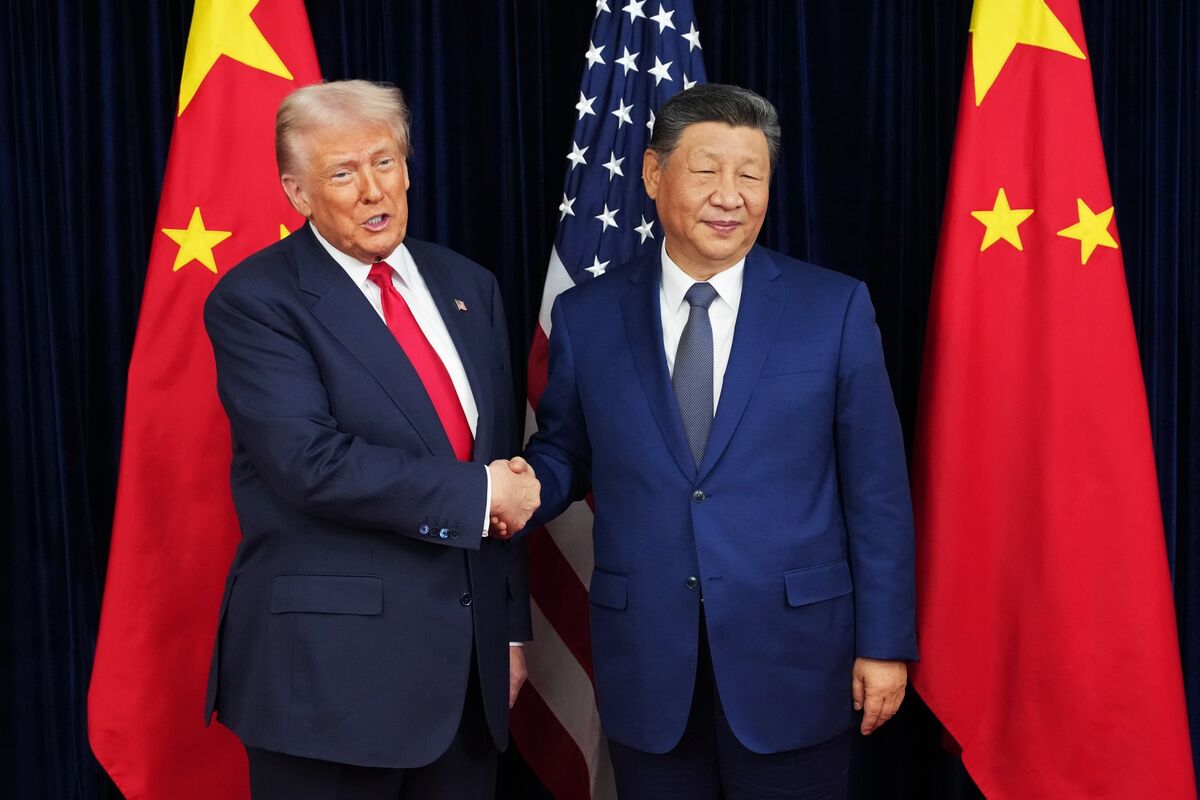
Three weeks ahead of the planned Xi-Trump summit on March 31, Beijing is frustrated by what it characterizes as last-minute US planning and limited communication of the White House’s expectations. Chinese officials worry the visit may be confined to trade agreements while key diplomatic and security issues go unaddressed, increasing policy uncertainty for China-sensitive sectors. Near-term market impact is limited but lingering diplomatic ambiguity could weigh on trade-sensitive stocks and risk sentiment if substantive outcomes are constrained.
Summit headline risk creates a two-tier market: near-term moves will be driven by headlines (minutes/leaks/joint communiqués) while any real supply‑chain reconfiguration or tariff rollback plays out over quarters. Expect headline-driven swings of 3–6% in China‑exposed equities within days, but meaningful SKU- or factory-level order flow to shift only after 1–3 quarters once MOUs are operationalized and compliance/accounting details are settled.
Second‑order winners from a narrow trade‑only outcome are tendered suppliers and OEMs with high variable margins (consumer electronics assemblers, shipping/container lines, industrial parts distributors) because tariff uncertainty is the highest‑cost input to sourcing decisions; we’d expect inventory restocking and port throughput gains to show up within 1–2 quarters. Conversely, sectors that price in a strategic decoupling premium (defense primes, semiconductor capex for non‑China fabs) will see that premium persist — political risk retains a structural floor even if economics improve.
Key tail risks and catalysts: the biggest single reverser is a security escalation or public diplomatic snub that crystallizes a longer‑term split — that shock could lift defense and safe‑haven FX while knocking 7–12% off China export beta in days. Watch pre‑summit leaks, the wording of any joint statement (hard vs soft commitments), and follow‑through in implementation timelines; these are the discrete catalysts that move the market from headline noise to durable flows over 3–12 months.
AI-powered research, real-time alerts, and portfolio analytics for institutional investors.
Request DemoOverall Sentiment
mildly negative
Sentiment Score
-0.15
