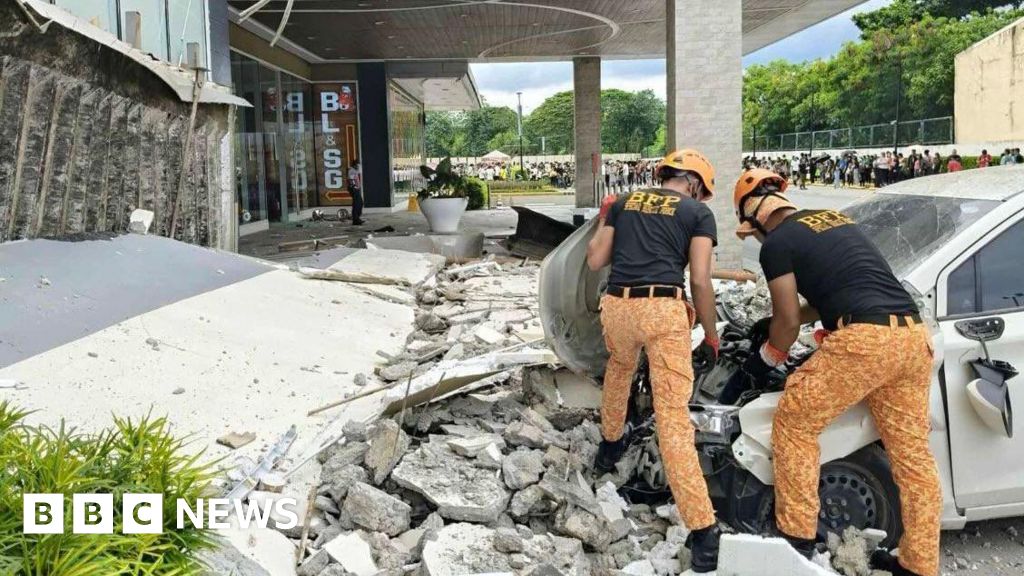
A 7.4 magnitude earthquake struck the southern Philippines, triggering tsunami warnings that were later lifted, alongside reports of power outages and structural damage. This event, following a recent deadly 6.9 magnitude quake and a super typhoon, highlights the Philippines' persistent vulnerability to natural disasters. For investors, this recurring pattern underscores ongoing infrastructure risks and potential long-term economic disruptions in the region, demanding consideration for asset allocation and risk assessment.
A 7.4 magnitude earthquake struck the southern Philippines, prompting initial tsunami warnings and resulting in one reported fatality, power outages, and structural damage. This event was followed by continued aftershocks ranging from 2.6 to 4.9 magnitude, indicating ongoing seismic instability in the region.
This latest tremor compounds the impact of a 6.9 magnitude quake just a week prior, which killed 74 people and displaced 80,000, alongside a super typhoon last month that claimed 11 lives. The Philippines' location on the geologically unstable "Ring of Fire" makes it highly susceptible to such frequent and severe natural disasters, leading to widespread "disaster fatigue" among its population.
The persistent recurrence of these events underscores significant long-term infrastructure risks and potential economic disruptions across the archipelago. The strongly negative sentiment and pessimistic tone surrounding these incidents suggest a challenging operating environment for businesses and a continuous need for robust disaster preparedness and recovery efforts.
AI-powered research, real-time alerts, and portfolio analytics for institutional investors.
Request DemoOverall Sentiment
strongly negative
Sentiment Score
-0.80
