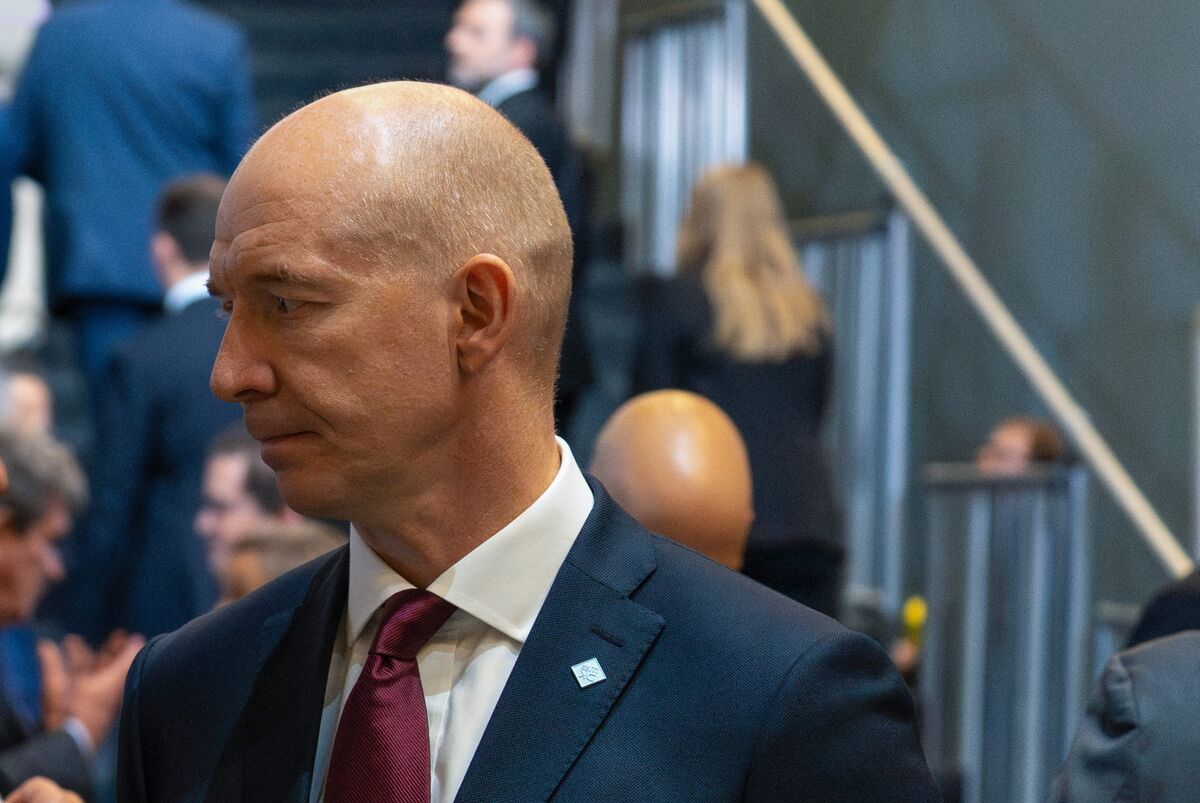
ECB Governing Council member Madis Muller said the central bank must remain vigilant to inflation risks from the Iran war, but should not rush rate hikes. He noted there are no signs yet of broader second-round price effects and that the ECB is better positioned than in 2022, though an energy shock should not be assumed to be temporary. The message is mildly hawkish and could support rate expectations, but it is framed as caution rather than an imminent policy shift.
The market is underpricing the asymmetry between a first-order energy shock and the second-order policy response. In the next 1-3 months, the ECB is likely to preserve optionality rather than pre-commit, which means front-end rates can remain anchored even if oil and gas prices spike again. That creates a tactical setup where inflation breakevens can widen faster than OIS pricing adjusts, while outright ECB hiking odds remain a lower-probability tail unless wage data or services inflation re-accelerate.
The more interesting transmission is not core inflation today but growth fragility tomorrow. Europe remains far more energy-sensitive than the US, so a sustained shock hits industrial margins, consumer confidence, and credit quality before it materially alters policy settings. That favors defensives and pricing power, and it hurts cyclicals with thin spreads, especially autos, chemicals, and discretionary retail where energy costs are either non-recoverable or delayed.
Contrarian take: the consensus may be treating this as a pure inflation problem when it is actually a volatility problem. If the shock is short-lived, ECB rhetoric stays hawkish without action, which can steepen the curve modestly but avoid a regime shift in rates; if it persists, growth deterioration eventually forces a dovish pivot even with above-target inflation. In other words, the highest-probability outcome is not a clean rate-hike repricing but a broader repricing of macro uncertainty, which should benefit rate vol and relative-value trades more than directional duration shorts.
AI-powered research, real-time alerts, and portfolio analytics for institutional investors.
Request TrialOverall Sentiment
mildly negative
Sentiment Score
-0.15
