


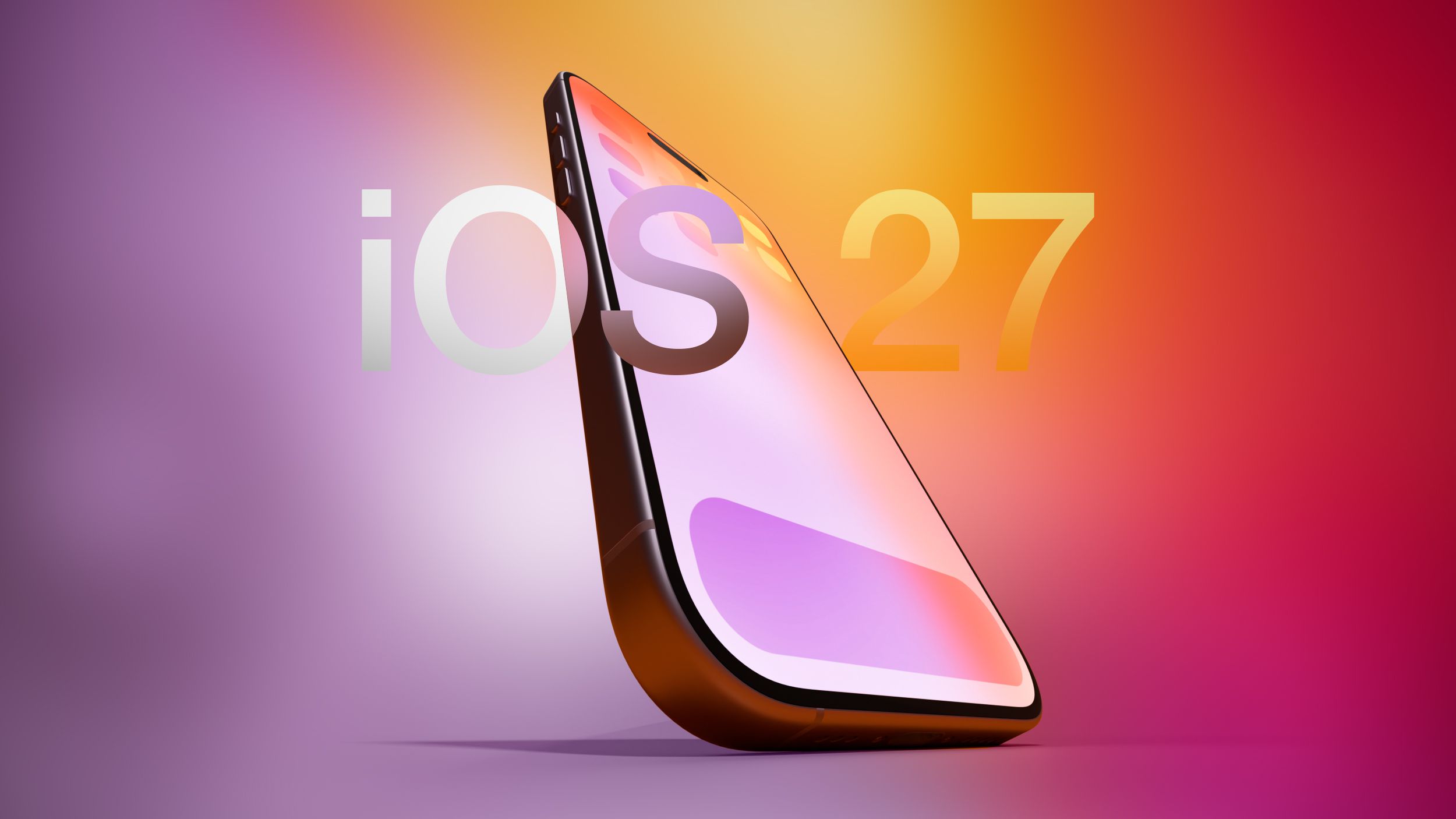
Apple is expected to unveil iOS 27 at WWDC on June 8, with release likely in September. Rumored features include 5G satellite internet support, satellite-based Apple Maps and Messages photo sharing, autocorrect and Liquid Glass UI refinements, and four new Apple Intelligence tools for iPhone 15 Pro and newer. The article is largely a product roadmap update and does not indicate an immediate earnings or valuation catalyst.
This is less a headline-driven iOS cycle than a monetization/retention cycle, which matters because Apple’s services multiple has likely already priced in a generic AI uplift. The incremental revenue upside is not from a new killer app; it’s from reducing churn in the installed base and increasing the value of the premium hardware tier by making advanced features more dependent on the newest silicon and modem stack. That creates a subtle but important bifurcation: the software release is neutral-to-positive for AAPL overall, but the marginal profit pool shifts toward the top-end iPhone mix and away from any ecosystem partners tied to older device refresh assumptions.
The second-order effect is competitive pressure on standalone utility apps and point solutions. If core workflows like scanning, categorization, and tab organization get absorbed into the OS, the addressable market for smaller productivity/AI apps shrinks faster than consensus assumes, especially on-device features where Apple can bundle away pricing power. The most exposed beneficiaries are not obvious software peers but ad/consumer-discovery businesses that rely on user intent fragmentation; better native organization tools can reduce search and app switching, lowering monetization opportunities for third-party layers.
On the hardware side, the bigger catalyst is the modem/satellite roadmap because it pushes Apple further into premium differentiation and carrier negotiation leverage. The optionality here is over 12-24 months, not into the June keynote: if these features are gated to top models, Apple can widen ASPs and improve mix while using “utility” features to justify higher price points. The contrarian read is that markets may overestimate the near-term AI halo while underestimating how much of this becomes a premium SKU story rather than a broad adoption story.
For SIRI, the relevant risk is not product quality but distribution: if Apple externalizes more assistant interactions into a standalone app, it raises the strategic visibility of the asset and could invite renewed regulatory scrutiny or partner tension. That creates an event-driven setup with upside on product re-rating but also headline risk from EU/competition angles over the next 3-9 months. DIS is largely incidental here; any impact would be through platform/regulatory spillovers rather than direct fundamental sensitivity.
AI-powered research, real-time alerts, and portfolio analytics for institutional investors.
Request TrialOverall Sentiment
neutral
Sentiment Score
0.15
Ticker Sentiment
