
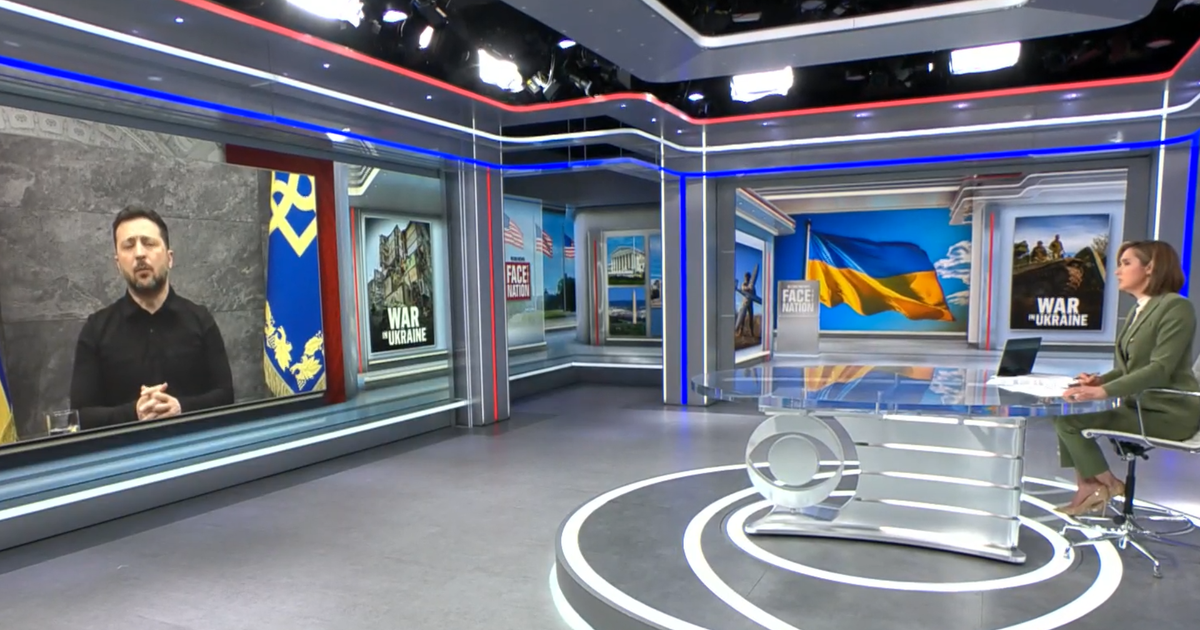
The broadcast centered on escalating geopolitical risks: Ukraine warned of a possible massive Russian attack, while U.S.-Iran tensions continue to strain global missile defenses and supply chains. Zelenskyy said Ukraine faces a critical shortage of anti-ballistic missiles and needs more U.S. support, while Senator Murphy argued the Iran war is pushing gas prices toward $6 per gallon and indirectly strengthening Russia. The program also highlighted domestic political friction over Ukraine funding, conservative Party direction, and legal setbacks for President Trump's Washington landmark projects.
The market implication is not just more war risk in Eastern Europe; it is a tighter global inventory regime for interceptors, air defenses, and adjacent munitions. Once stocks are rationed across Ukraine, the Middle East, and NATO’s eastern flank, the marginal buyer becomes governments willing to prepay for multi-year capacity, which favors the prime contractors with production lines already qualified rather than the smaller software or component names. The second-order effect is a bull steepener for the defense capex cycle: even if headlines fade, procurement budgets will stay elevated because replacement timing, not just headline conflict intensity, is now the constraint.
The more interesting twist is that supply-chain stress is likely to migrate from battlefield hardware into industrial bottlenecks: seekers, microelectronics, solid rocket motors, and energetics. That creates a bottleneck premium for firms that control subsystem throughput, while pure platform builders may lag if they cannot convert backlog into deliveries fast enough. In the near term, any pause in U.S. political support would be bearish for Kyiv-sensitive assets, but the broader setup is still risk-on for defense exposure because Europe will treat this as an argument for indigenous rearmament rather than substitution away from U.S. systems.
On the geopolitical side, the overlap between Ukraine aid, Iran-related disruptions, and sanctions relief creates a messy cross-asset signal: higher energy, higher freight volatility, and more pressure on EM food and logistics. That pushes humanitarian supply chains into a slower, costlier regime and raises the odds of incremental budget requests from sovereigns and multilaterals over the next 3-6 months. The contrarian point is that this is not a clean escalation trade; if diplomacy unexpectedly de-escalates in the Middle East, the most crowded short-term beneficiaries could give back quickly, but defense procurement remains the higher-conviction medium-term theme because capacity replacement is locked in well beyond the headlines.
AI-powered research, real-time alerts, and portfolio analytics for institutional investors.
Request TrialOverall Sentiment
mildly negative
Sentiment Score
-0.35
Ticker Sentiment
