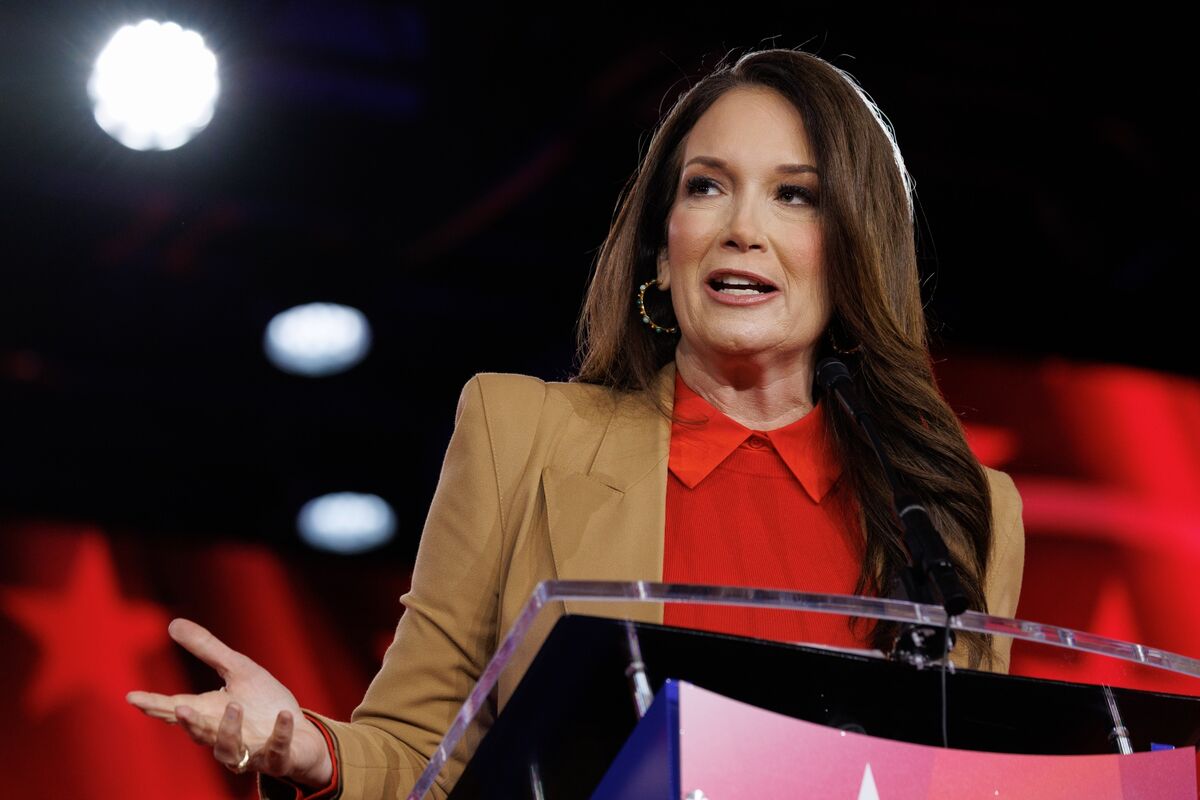
USDA Secretary Brooke Rollins said the department added more than 100 full-time employees over the last 15 months to prepare for the spread of New World screwworm, pushing back on claims that staffing cuts would slow the response. The hearing underscores political scrutiny of USDA staffing and outbreak preparedness, but the article contains no direct market-sensitive operational or financial impact. Overall tone is defensive and factual, with limited expected price impact.
The market implication here is less about the parasite itself than about institutional credibility: when a livestock biosecurity event becomes politicized, the first-order funding response is usually noisy, but the second-order effect is slower decision-making at the margin. That raises the probability of localized cattle supply disruptions persisting longer than necessary, which matters for ranchers, feedlots, processors, and insurers even if the outbreak never becomes nationally systemic. The main near-term winner is anyone with hard biosecurity optionality—firms that can pass through sanitation, screening, and transport friction—while smaller operators with thin working capital are most exposed.
The bigger setup is that response capacity can become a binding constraint before biology does. If USDA staffing is still in flux, the tail risk is not a sudden national herd event; it is a drawn-out regional containment failure that forces more aggressive movement controls, testing, and quarantines over weeks to months. That can widen basis volatility in cattle markets, stress packing margins if slaughter logistics tighten, and create a temporary premium for vertically integrated operators versus pure upstream exposure. The political layer also increases the chance of headline-driven reversals: any apparent spread escalation will likely trigger fresh funding or emergency measures, compressing the trade window.
Consensus may be underestimating how fast this can morph from an ag-specific issue into a broader regulatory and budgetary trade. Even a modest containment miss can justify extra federal spending, which is bullish for contractors and diagnostics, but bearish for budget-sensitive agencies and politically vulnerable management teams. The defensiveness from USDA suggests the downside is not denial of the outbreak; it is the risk that execution scrutiny becomes a public proxy for governance quality, which tends to extend the news cycle and keep implied volatility elevated in related ag names.
AI-powered research, real-time alerts, and portfolio analytics for institutional investors.
Request DemoOverall Sentiment
neutral
Sentiment Score
-0.05
The cleanest contrarian angle is that the crowd will likely overprice a doomsday supply shock while underpricing the benefit to integrated processors and biosecurity vendors if the government responds with incremental controls rather than sweeping restrictions. In that scenario, the trade is not a pure long cattle inflation view; it is a relative-value rotation toward names with better quarantine, logistics, and traceability leverage, while fading the most operationally fragile upstream operators if the issue drags into late summer.
