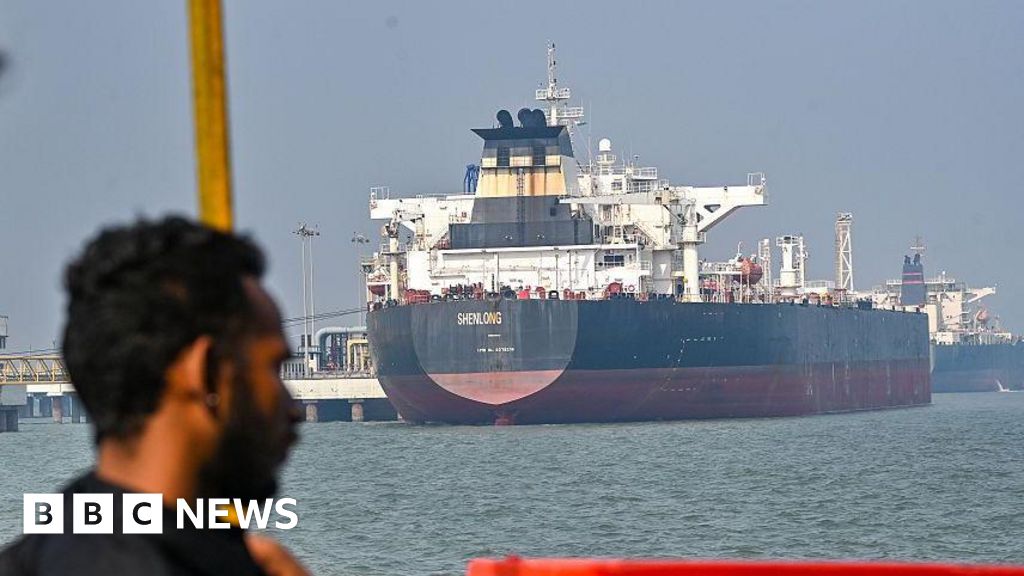
22 Indian-flagged vessels remain waiting for clearance to transit the Strait of Hormuz while two tankers passed after direct talks with Iran. Brent crude rose to about $106/bbl as the strait carries ~20% of global oil flows and supplies roughly 40-50% of India's crude and ~50% of its LNG, so continued disruption risks further energy-price upside and domestic fuel/gas squeezes. India is pursuing bilateral diplomatic engagement with Tehran (denying quid-pro-quo) while navigating ties with the US and Israel; the situation is unfolding and remains uncertain.
Selective, bilateral access talks create a two-tier maritime market: vessels that can secure diplomatic clearances (or reflag/charter structures that mimic Indian/Chinese ownership) will capture a premium in TC rates and avoid long reroutes, while the rest of the global fleet faces materially higher voyage distances and war‑risk surcharges. Expect spot TCEs on Middle East to South Asia trades to trade meaningfully above pre-crisis levels in the coming days–weeks (we model a 30–80% uplift for VLCC/AFRAMAX voyages that cannot use the narrow channel), concentrating upside in owners with flexible commercial control of tonnage.
For India, the immediate second-order hit is tactical: higher short‑term LNG/LPG spot demand and a scramble to source replacement cargoes will lift global spot gas/LPG curves and export margins for suppliers who can deliver quickly. Domestically, refiners with downstream market share and inventory buffers will see transient margin compression on crude cost volatility but structural benefit if diplomatic corridors restore cheaper feedstock — timing here is key: days–weeks for spot gas squeezes, weeks–months for refinery throughput normalization.
Operationally, expect congestion spillovers at transshipment hubs and higher bunkering revenues as longer voyages and convoying increase fuel consumption; insurance and war‑risk underwriting will see immediate premium repricing, potentially improving near‑term P&C carrier earnings while raising costs for liner operators. Catalysts that would reverse current dispersion include a broader, multilateral naval escort regime (days–weeks) or a negotiated, legally codified corridor (weeks–months); conversely, any escalation targeting commercial shipping would push premiums and freight well higher and for longer.
AI-powered research, real-time alerts, and portfolio analytics for institutional investors.
Request DemoOverall Sentiment
neutral
Sentiment Score
0.00
