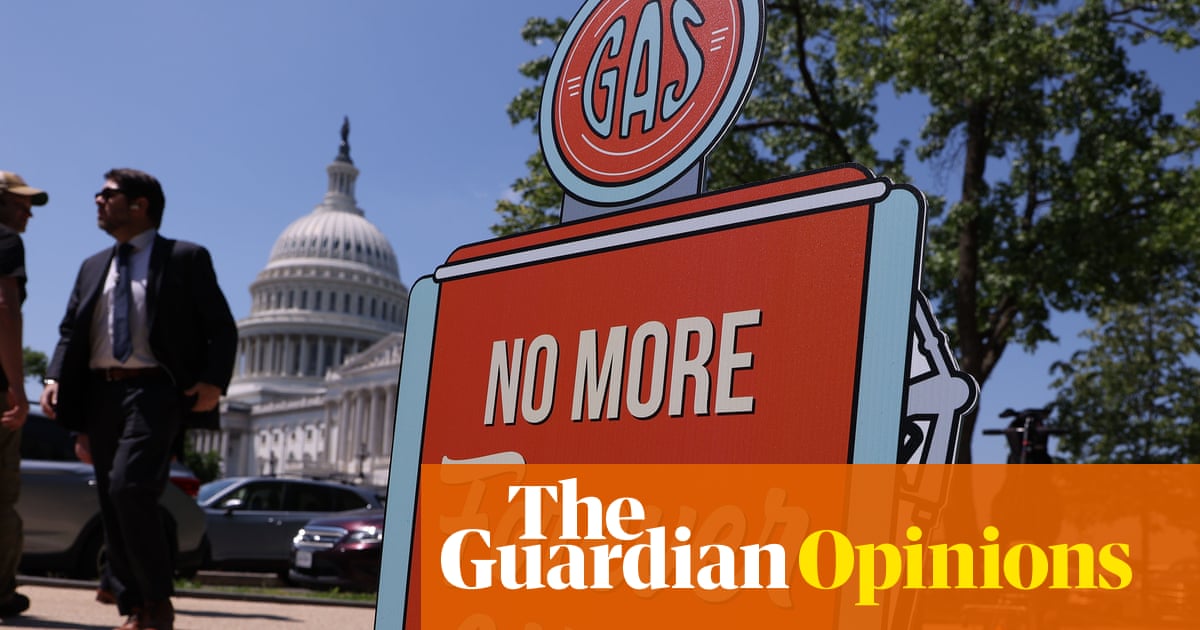
The article argues that the Iran war is intensifying into a global economic and geopolitical shock, with oil, food and commodity prices rising and the IMF cutting 2026 global growth to 3.1% due to the 'shadow of war.' It says 45 million additional people could face acute hunger if the conflict continues, while U.S. allies, Gulf states, Russia and China are all being affected by the fallout. The piece frames Trump’s policy as a constitutionally unauthorized, globally damaging war of choice with broad implications for energy, trade, sanctions and defense posture.
The market implication is less about a single airstrike and more about a regime shift in risk premia. A protracted, unresolved Iran conflict raises the probability of persistent energy dislocation, which tends to leak into credit spreads, airline/freight margins, EM import bills, and food inflation with a 1-3 month lag. The biggest second-order effect is policy forcedness: if Washington escalates again, allied coordination frays further, increasing the odds of fragmented sanctions enforcement and wider volatility across shipping, commodities, and defense-adjacent supply chains.
The beneficiaries are not just energy producers; they are the parts of the capital structure that monetize uncertainty. Defense primes and missile-defense suppliers gain a multi-quarter budget tailwind as Europe and Asia reassess readiness, while logistics-exposed losers include airlines, chemical inputs, and consumer discretionary names with heavy fuel or imported commodity exposure. In EM, the clearest transmission is through staple inflation and sovereign risk: food importers and current-account-deficit countries face the sharpest margin and FX pressure if fertilizer and grain remain constrained.
The consensus may be underestimating how quickly political constraints can reverse the escalation path. If U.S. domestic approval deteriorates further and allies refuse operational support, the probability of a constrained de-escalation rises, which would unwind part of the war premium sharply in 4-8 weeks. The tradeable asymmetry is that oil can gap higher on headline risk, but downside in a negotiated pause is more gradual; that favors option structures over outright beta in the near term.
AI-powered research, real-time alerts, and portfolio analytics for institutional investors.
Request DemoOverall Sentiment
extremely negative
Sentiment Score
-0.85
Ticker Sentiment
