



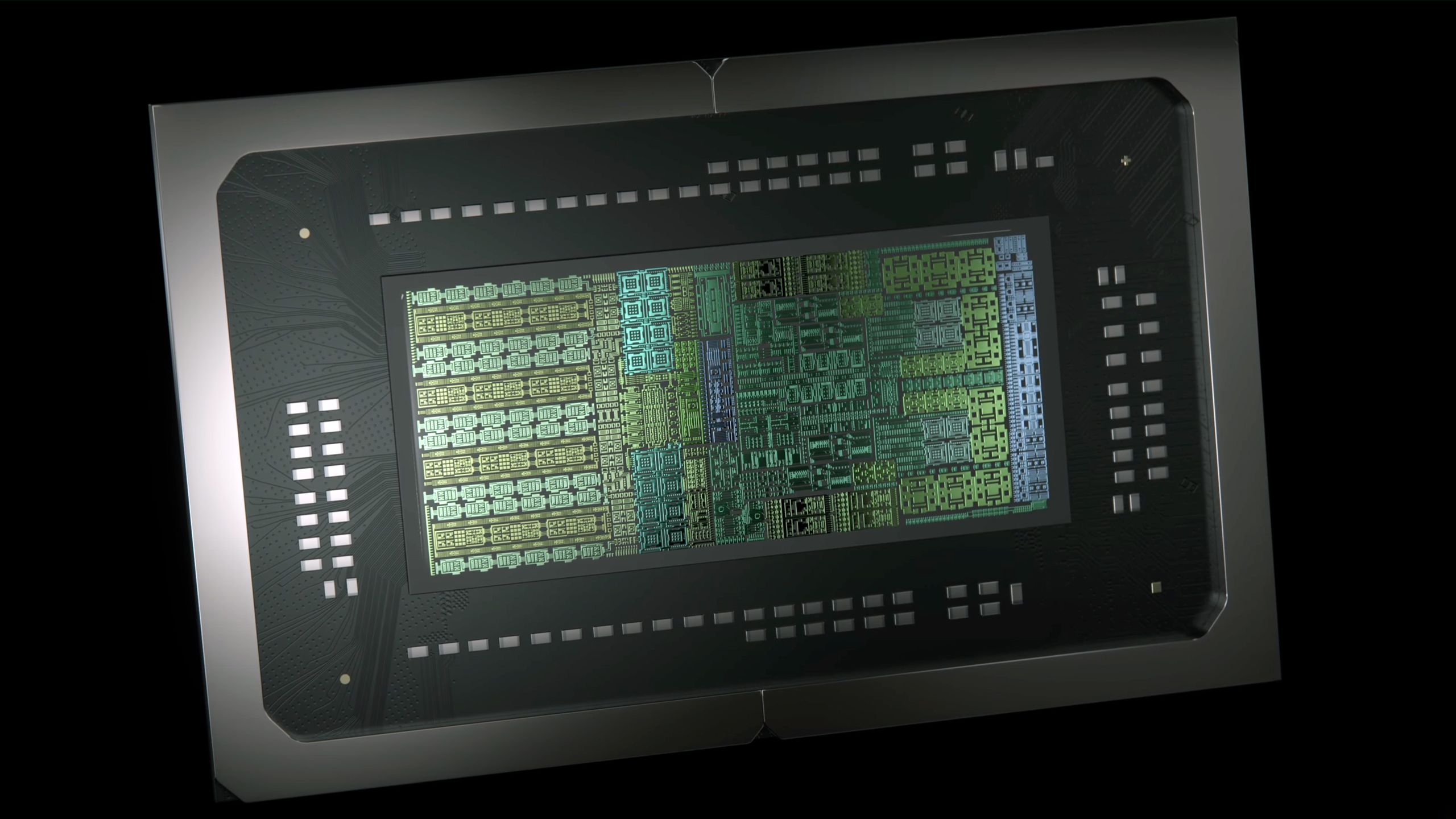
Nvidia is expected to unveil its N1/N1X Arm-based SoC family at Computex, with the top-end N1X reportedly matching the GB10 used in DGX Spark. Leaked specs point to up to 20 CPU cores, 6,144 CUDA cores, 128GB LPDDR5X support, and 45W-80W TDPs, positioning the chips for premium laptops and OEM PCs. The launch would mark Nvidia's re-entry into mainstream PC processors and could broaden its competitive reach versus Apple, AMD, and Intel.
This is less about a single chip launch than Nvidia attempting to reclaim control of the PC compute stack before Apple and AMD solidify the “good-enough performance, best-in-class efficiency” narrative. The real strategic value is that Nvidia can now bundle CPU, GPU, networking, and AI acceleration into a vertically integrated platform for OEMs, which should improve attach rates in notebooks, mini-PCs, and edge devices even if unit volumes stay modest at first. The highest-probability near-term winner is NVDA because the market will pay for optionality on a new addressable market, but the bigger medium-term question is whether this becomes a licensing/sovereign-platform story rather than a pure consumer-PC story.
The second-order effect is pressure on AMD’s premium mobile and APU roadmap: if Nvidia can hit a credible efficiency/performance point with stronger software differentiation, AMD loses the “only alternative to Intel” positioning in high-end Windows PCs. Intel is the most structurally exposed because this creates another OEM lever to negotiate CPU pricing, support, and design wins, especially if Nvidia targets thin-and-light and creator systems where Intel has historically relied on platform inertia. For Apple, the threat is not share loss in Mac; it is narrative dilution if a Windows/ARM Nvidia notebook closes the gap on battery life while pairing with superior local AI features and broader game support.
The market may be underestimating supply-chain friction as the binding constraint. At the rumored memory densities, the product mix is likely gated by LPDDR5X availability and board-level integration, which can delay meaningful revenue contribution by quarters and cap first-year volumes even if demand is strong. That matters because the valuation upside comes from optionality, but the downside comes quickly if launch enthusiasm is not matched by OEM availability, pricing discipline, and sustained software enablement.
Contrarian view: the consensus will likely over-focus on benchmark comparisons and underweight the fact that Nvidia’s moat here is ecosystem and channel leverage, not raw silicon. If the launch is priced aggressively, N1 can win share in sub-$1,500 systems, but if it lands too high, it risks becoming a halo product with minimal unit impact while still inviting competitive responses from AMD and Intel. The setup is therefore asymmetric: bullish for NVDA on headline and strategic narrative, but the actual beneficiaries in the first 3-6 months may be peripheral suppliers and OEM partners rather than a broad PC-share shift.
AI-powered research, real-time alerts, and portfolio analytics for institutional investors.
Request TrialOverall Sentiment
mildly positive
Sentiment Score
0.30
Ticker Sentiment
