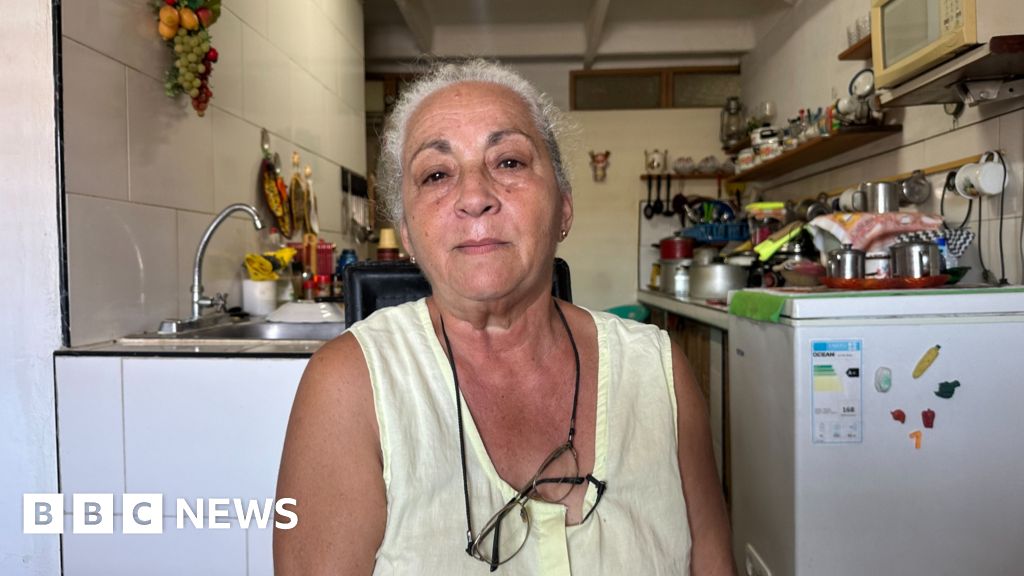
Cuba is facing 20-hour blackouts and a near-total fuel blockade, with US pressure intensifying alongside murder charges against Raúl Castro over the 1996 shootdown that killed four people. The article describes widespread daily-life disruption in Havana, acute housing stress, and rising fear of possible US military action or forced regime change. The situation raises geopolitical risk for Cuba and broader regional stability, with implications for energy access, sanctions, and defense posture.
The immediate market read is not about Cuba-specific assets; it is a broader risk signal for EM and regional security premia. A sustained tightening of fuel access plus escalation risk raises the probability of an acute humanitarian shock, which tends to precede capital controls, rationing, and abrupt policy responses rather than orderly reform. That combination usually widens sovereign-risk spreads first, then bleeds into nearby Caribbean tourism, logistics, and insurance names with exposure to disaster and political-risk underwriting.
The second-order effect is on shipping and energy arbitrage, not on Cuban demand itself. If enforcement meaningfully constrains Caribbean fuel flows, displaced barrels should clear into higher-bid alternate routes, supporting regional freight rates and refining cracks at the margin; however, any sign of negotiated de-escalation would reverse that quickly. The bigger medium-term implication is that sanctions become self-reinforcing: weaker infrastructure and blackouts reduce economic output, which further weakens the state’s ability to import fuel and maintain power generation.
Consensus may be underestimating how fast rhetoric can transition from pressure to marketable event risk, but overestimating the probability of near-term regime change. A forced-outcome scenario is a low-base-rate tail, while a prolonged stalemate with worsening internal dysfunction is the higher-probability path over the next 1-3 months. That means the trade is less about directionally betting on collapse and more about owning volatility and avoiding assets that rely on stable Caribbean demand, steady grid reliability, or predictable regional policy continuity.
AI-powered research, real-time alerts, and portfolio analytics for institutional investors.
Overall Sentiment
strongly negative
Sentiment Score
-0.75
