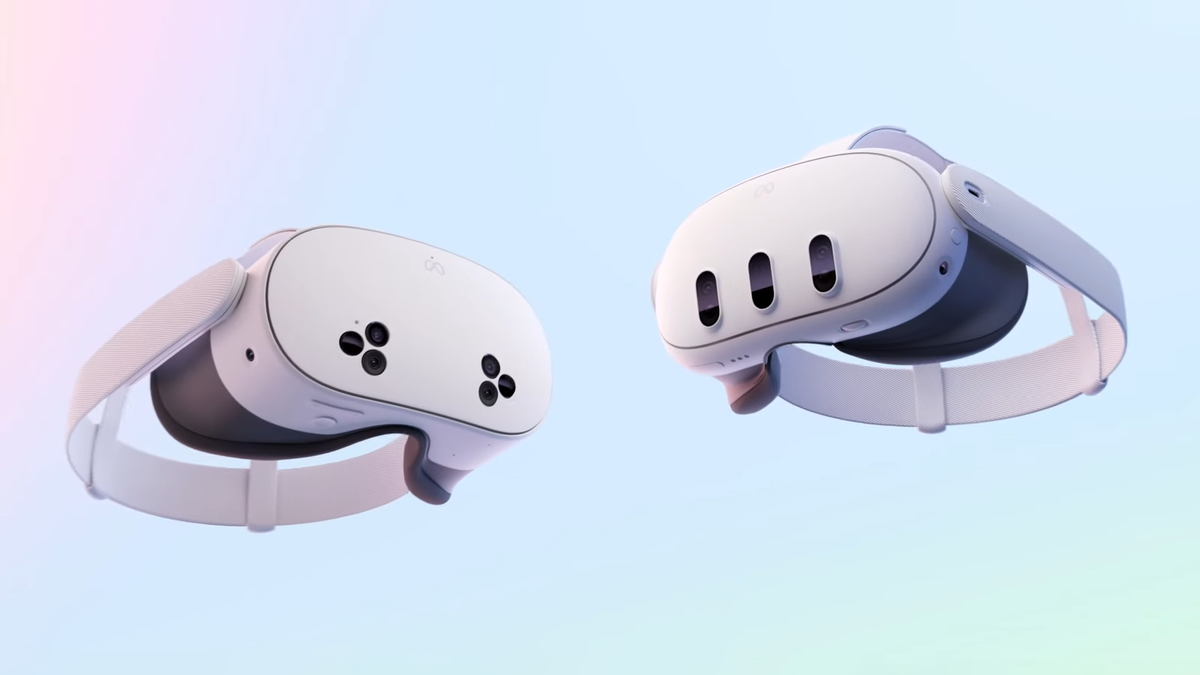
Meta is raising Quest 3 prices by $100 and Quest 3S prices by $50 starting Sunday, taking the Quest 3S 128GB to $350, Quest 3S 256GB to $450, and Quest 3 512GB to $600. The company cited significantly higher costs for high-performance VR hardware, especially memory chips, and said refurbished headset prices are also increasing. While the move supports margins, it raises entry pricing for Meta's higher-end VR lineup and signals ongoing supply-chain cost pressure across consumer electronics.
This is less about a one-off headset repricing and more about a reminder that VR is now exposed to the same memory-cycle pressure that has already squeezed PCs, consoles, and phones. The second-order effect is that Meta can preserve nominal unit economics only by leaning on a consumer base that is already niche and price-sensitive, which raises the hurdle for any meaningful installed-base expansion over the next 2-4 quarters. That matters because the category’s software ecosystem needs scale, and higher sticker prices tend to delay upgrades rather than expand addressable demand.
For competitors, the more interesting read-through is not near-term demand share but product strategy. Sony and Microsoft can absorb modest hardware inflation through ecosystem monetization, but any incremental console price hikes risk extending replacement cycles and slowing software attach at the margin; that is a slow-burn negative for hardware volume, not an immediate earnings event. The bigger beneficiary could be platform incumbents with less hardware exposure—Apple and Google—if consumers become more selective about discretionary devices and shift budget toward products with clearer utility or stronger bundled services.
The supply-chain signal is that memory inflation is still moving from the component layer into retail pricing with a lag, which usually persists for several quarters once OEMs begin passing through costs. A reversal would require either a sharp memory price correction or evidence that consumer demand is elastic enough to force promotions back into the market, neither of which is likely in the next 1-2 months. For Meta specifically, this is a reminder that VR remains strategically important but financially non-core, so management can defend the roadmap while accepting lower volume trajectories in the near term.
AI-powered research, real-time alerts, and portfolio analytics for institutional investors.
Request DemoOverall Sentiment
mildly negative
Sentiment Score
-0.25
Ticker Sentiment
