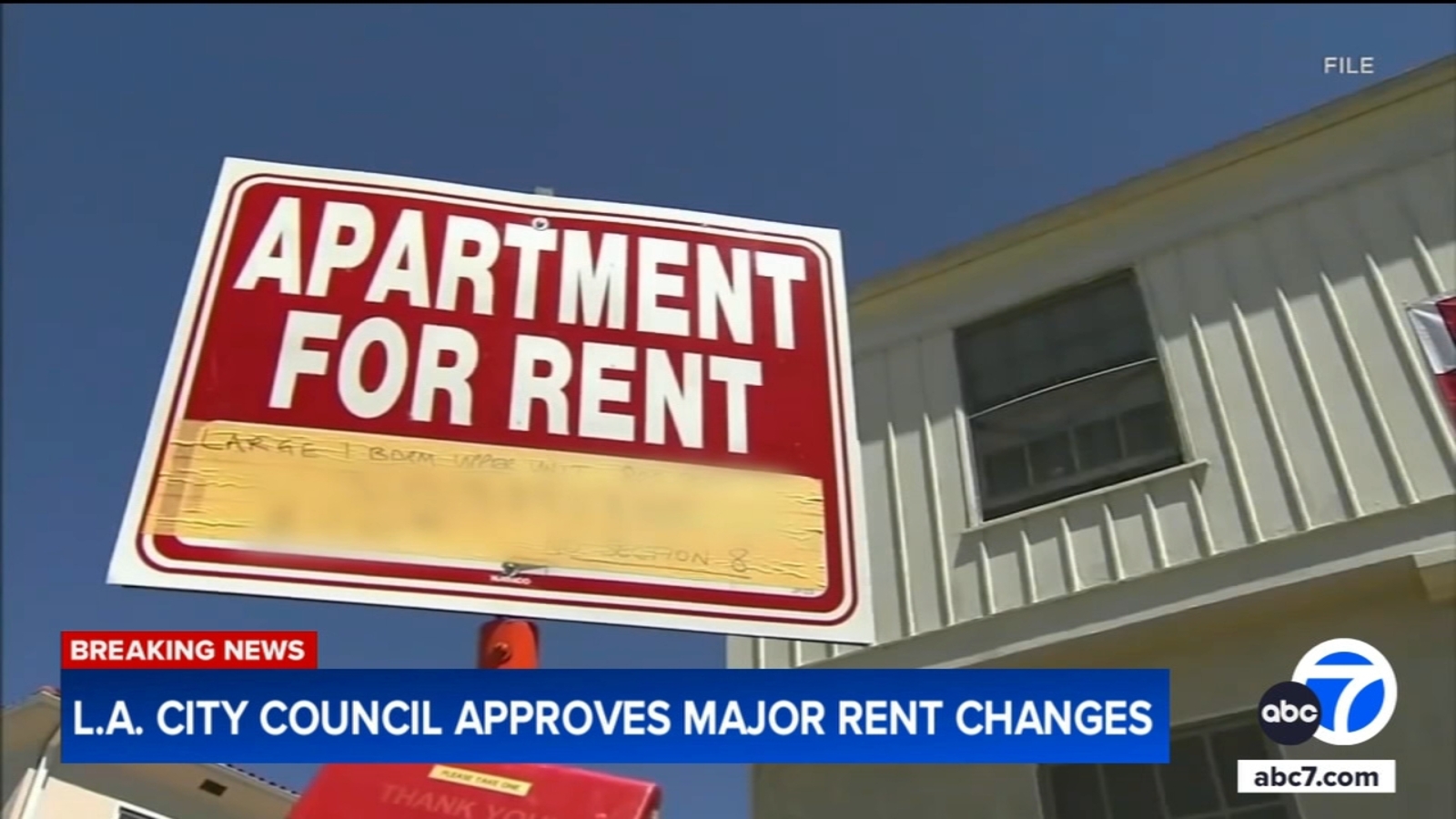
The Los Angeles City Council has approved the most significant updates to its Rent Stabilization Ordinance (RSO) in over four decades, setting a 1% floor and 4% ceiling for annual rent increases on approximately 650,000 units and eliminating additional charges for utilities and dependents. These changes, aimed at addressing the city's affordability crisis, are expected to significantly impact landlords by capping rental income growth below rising operational costs such as insurance, utilities, and maintenance. While supported by tenant advocates, the new regulations have raised concerns among property owners and real estate developers regarding reduced profitability, potential disincentives for new housing construction, and the long-term viability of providing rental housing in Los Angeles, prompting a commissioned study on the RSO's impact on future housing supply.
The Los Angeles City Council has approved significant updates to its Rent Stabilization Ordinance (RSO), establishing a 1% floor and 4% ceiling for annual rent increases on approximately 650,000 units, while eliminating additional charges for utilities and dependents. This marks the most substantive change to the policy in over four decades, driven by concerns over the city's affordability crisis where over half of Angelenos are rent-burdened.
These new regulations, which calculate allowable increases based on 90% of the Consumer Price Index, are expected to compress net operating income for landlords. Property owners face rising operational costs, including insurance, utilities, maintenance, and compliance, which may exceed the capped rent adjustments. This disparity raises concerns about the financial viability for existing landlords, particularly mom-and-pop operators.
Critics argue the changes will disincentivize new housing construction and exacerbate the housing crisis, making it more expensive and harder to find rental units. The city has commissioned a study to assess the RSO's impact on future housing supply, acknowledging potential long-term implications for the market. This regulatory shift introduces considerable uncertainty for real estate investors in the region.
AI-powered research, real-time alerts, and portfolio analytics for institutional investors.
Overall Sentiment
mixed
Sentiment Score
-0.15
