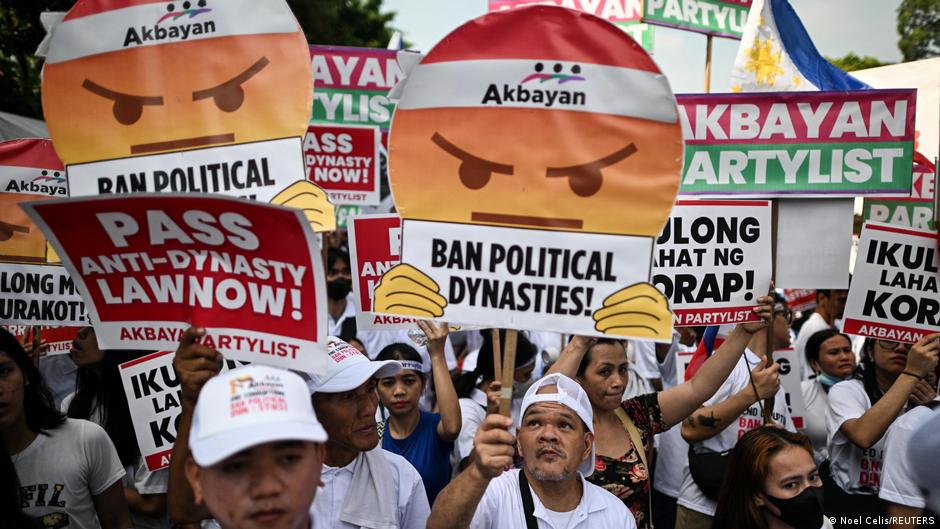
Thousands of protesters, including around 5,000 demonstrators in Manila and church-led groups, rallied against alleged multi-billion-dollar corruption in flood-control projects, pressing for resignations and prosecutions as eight Department of Public Works and Highways members were recently arrested. The scandal — which has led to at least seven public works officers jailed since July for graft in a flood-control anomaly — poses reputational and governance risks for President Ferdinand Marcos Jr.'s administration and could pressure future infrastructure spending and sovereign sentiment in the Philippines.
Market structure: The immediate winners are non-DPWH infrastructure providers with international financing or diversified order books (large conglomerates, multilateral-backed contractors) and firms selling flood-mitigation tech/insurance; direct losers are local civil‑works contractors, cement/steel suppliers tied to DPWH projects and banks with concentrated contractor receivables because contract cancellations and payment delays compress revenue and margins by an estimated 10–30% on affected projects over 3–12 months. Competitive dynamics: Expect larger, better‑governed firms to pick off market share as smaller players are debarred or lose bonding capacity; pricing power shifts toward whoever can finance projects without government advances, raising private bid premiums by several hundred basis points. Risk assessment: Tail risks include a sovereign credit-action or EUR/USD/PHP shock (PH 10‑yr yields +100–200bps) if probes widen or donor support is paused; politically driven procurement freezes could stall 20–40% of DPWH pipeline in 6–12 months. Short horizon (days–weeks): sentiment shocks to PSE and PHP FX; medium (3–12 months): backlog resizing and margin write‑downs; long (12–36 months): procurement reform that favors multinational EPCs and raises barriers to entry. Hidden dependencies: performance bonds, subcontractor insolvency, and contingent liabilities at banks; catalysts include auditor reports, rating‑agency watches, and mass arrests. Trade implications: Tactical plays—short domestic contractors and Philippine sovereign duration, long USD/PHP and select utilities/reinsurers; pair trades favor large utilities (stable cash flows) vs small-cap contractors. Options: buy puts on MWIDE/DMC or PSEi put spreads for 1–3 month volatility; size trades 1–3% NAV with stop/triggers tied to PHP moves >1% or sovereign spread moves >25bps. Contrarian angles: Consensus will likely overreact to headline arrests — not all projects will be cancelled (multilateral‑funded works are insulated), creating selective mispricings: well‑run conglomerates (San Miguel, Ayala platforms) could be oversold 15–25% and represent 6–12 month buyable dips once pipeline visibility returns. Unintended consequence: aggressive purges could delay disbursements and increase reliance on private financing, accelerating consolidation to the benefit of capitalized EPCs.
AI-powered research, real-time alerts, and portfolio analytics for institutional investors.
Request DemoOverall Sentiment
moderately negative
Sentiment Score
-0.40
