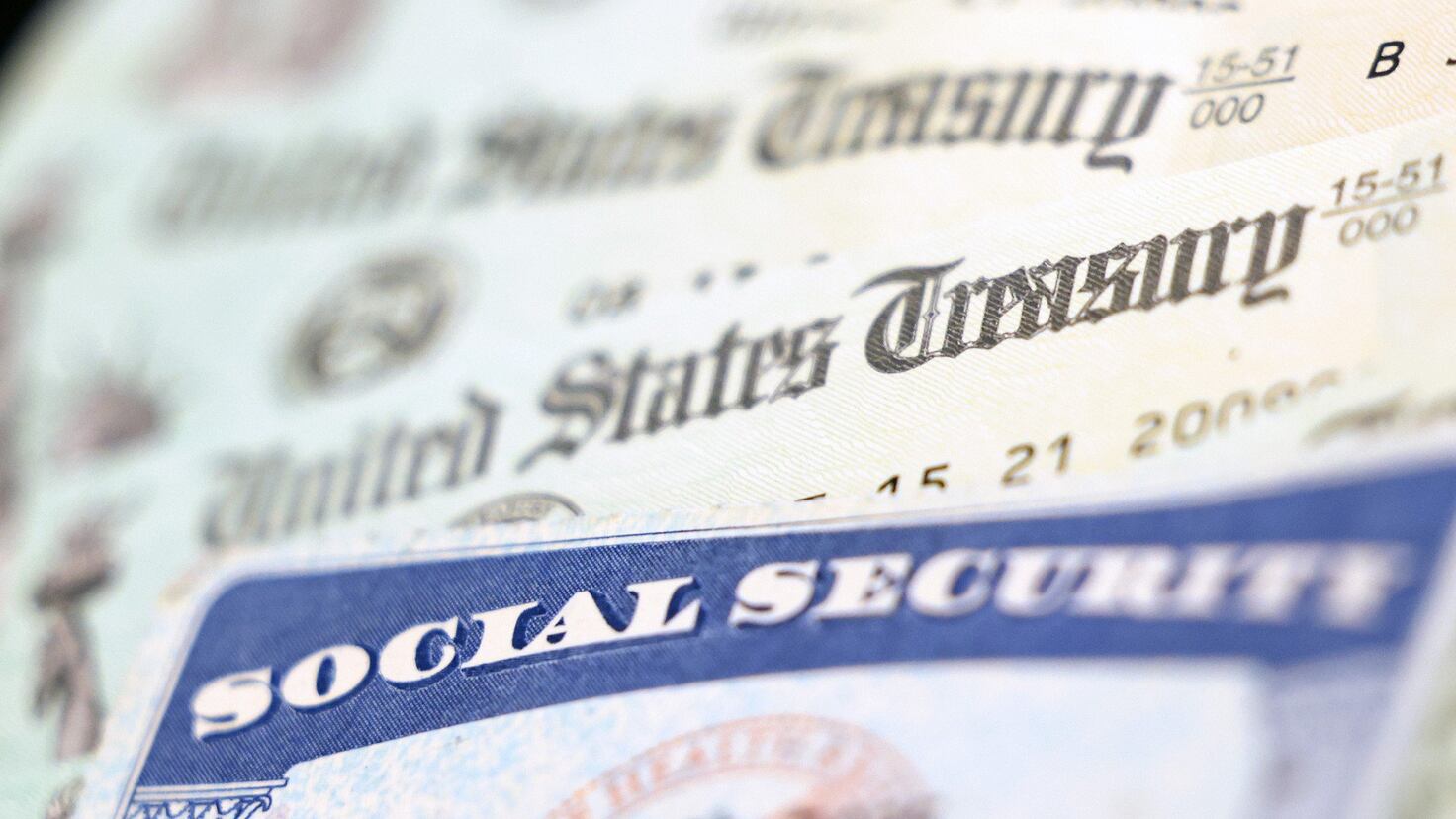
The Social Security Administration will pay April 2026 benefits on April 15 to recipients born on the 11th through 20th of any month. Average monthly benefits are $2,079.49 for retired workers, $1,634.51 for disabled workers, and $1,624.37 for survivor beneficiaries. The article is a schedule update with no meaningful market-moving implications.
This is a calendar-driven income transfer, not a macro event, but the second-order effect is that a very large cohort receives cash on a predictable Wednesday, which can marginally support late-week spending in lower-income categories and reduce near-term stress in retail credit delinquencies. The impact is too small to move broad market beta, but it can matter for high-frequency data in discount retail, convenience, check-cashing, prepaid fintech, and debt collection names over the next 1-2 weeks.
The more interesting angle is liquidity timing: households living paycheck-to-paycheck tend to spend a disproportionate share within 24-72 hours of receipt, so the payment date can create a short-lived pulse in food, pharmacy, fuel, and small-ticket discretionary transactions. That means any company with strong exposure to EBT-like consumer behavior may see a modest same-week uplift, while lenders and collections firms could see slightly improved roll rates only after a lag of several weeks if the payment helps avoid missed bills.
Contrarianly, this is not a bullish read on consumer health. The fact that a meaningful share of seniors and disabled recipients depend on fixed monthly transfers implies resilience in essentials, not elastic discretionary demand; in an inflationary environment, the cash is likely absorbed by necessities rather than incremental spending. The real tradable risk is if markets overread a temporary uptick in transaction volume as durable demand strength.
AI-powered research, real-time alerts, and portfolio analytics for institutional investors.
Request DemoOverall Sentiment
neutral
Sentiment Score
0.00
