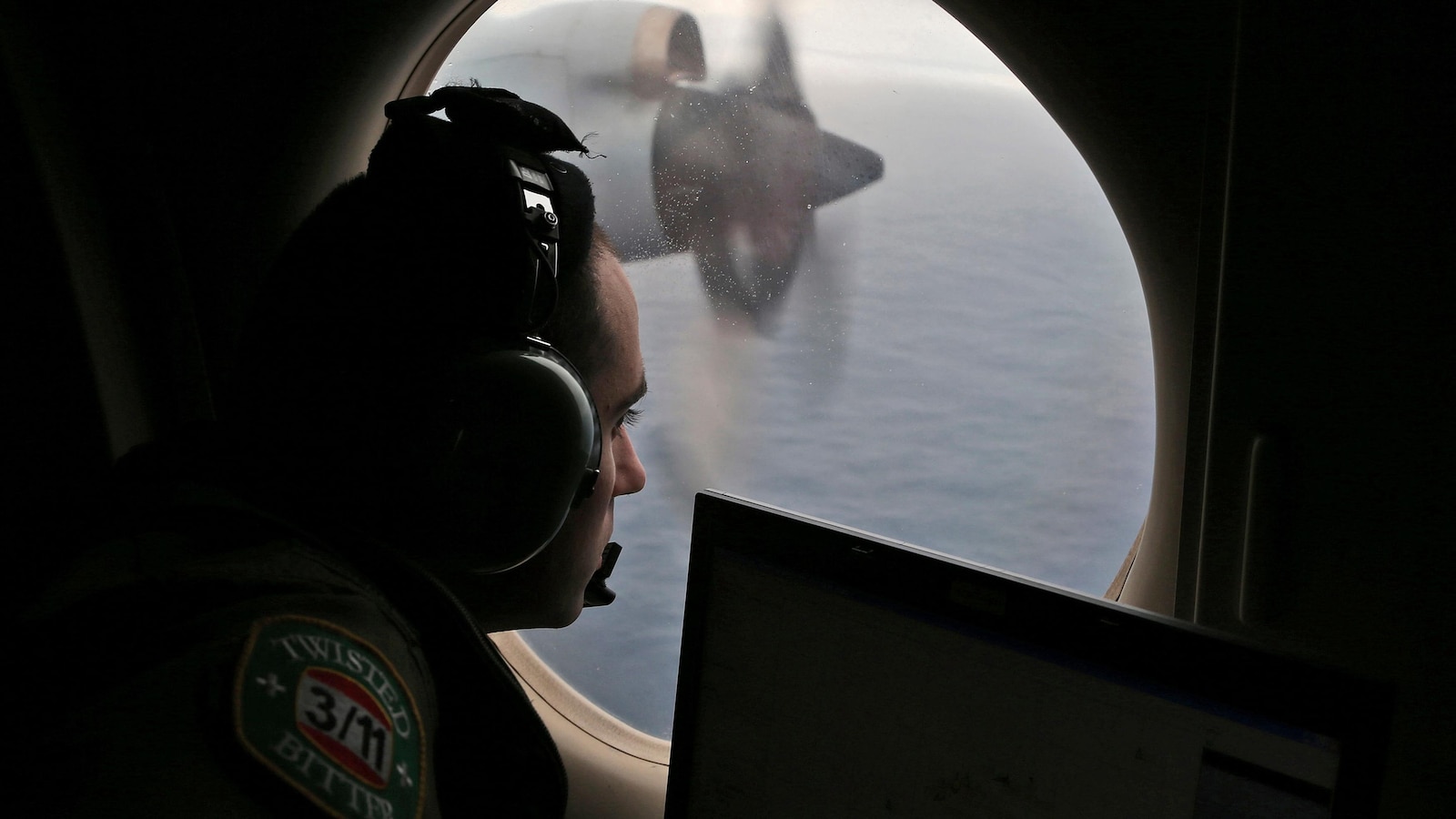
A renewed deep-sea search for Malaysia Airlines Flight 370 has commenced in the southern Indian Ocean with the vessel Armada 86 05 deploying two autonomous underwater vehicles after preparing in Fremantle, Australia; the exact search coordinates were not disclosed. The effort is widely linked to Ocean Infinity under a renewed “no-find, no-fee” arrangement — the firm previously searched in 2018 and briefly earlier this year, says it has upgraded its technology and narrowed the most probable crash zone — but no main wreckage has yet been found and the operation is sensitive and unlikely to move markets.
Market structure: The restart validates demand for high-end autonomous underwater vehicles (AUVs), seabed mapping and data-analysis services — a concentrated supplier market where public names include Oceaneering International (OII), Teledyne Technologies (TDY) and Fugro (OTC: FURGY). A successful find would be a call-option for these vendors: incremental contract wins and higher day-rates for survey vessels could lift revenues by mid-teens percent for niche suppliers over 12 months; a failure leaves near-term revenue upside limited and reputational risk elevated.
Risk assessment: Tail risks include operational loss of an AUV, regulatory clampdowns on contracted search terms, or litigation from families if the search uncovers sensitive data — each could cause >30% headline-driven moves in small-cap suppliers. Immediate impact (days–weeks) will be limited to newsflow and contractor contract announcements; short-term (1–6 months) depends on search progress and debris discovery; long-term (6–24 months) is structural: validated AUV tech could expand addressable market into offshore wind and subsea telecoms surveys.
Trade implications: Direct plays: long specialized suppliers (OII, TDY, FURGY) and selected offshore engineering names (SUBC.OL) as optionality to AUV commercialisation; use size limits (2–3% portfolio each) and event-driven option overlays. Cross-asset: negligible sovereign FX move, but small bump to industrial capex cyclicals and select commodities (nickel, copper for subsea cable/wind) if market sees broader offshore spending.
Contrarian angle: Consensus treats this as PR/charity; market undervalues durable tech upside if Ocean Infinity proves scalable — a successful find would catalyze multi-year remotesensing and AUV contracting, not a one-off fee. Conversely, chasing names after a media spike risks a fade: require objective triggers (contract wins, >$50m cumulative sector tendering) before adding more risk exposure.
AI-powered research, real-time alerts, and portfolio analytics for institutional investors.
Request DemoOverall Sentiment
mildly positive
Sentiment Score
0.05
