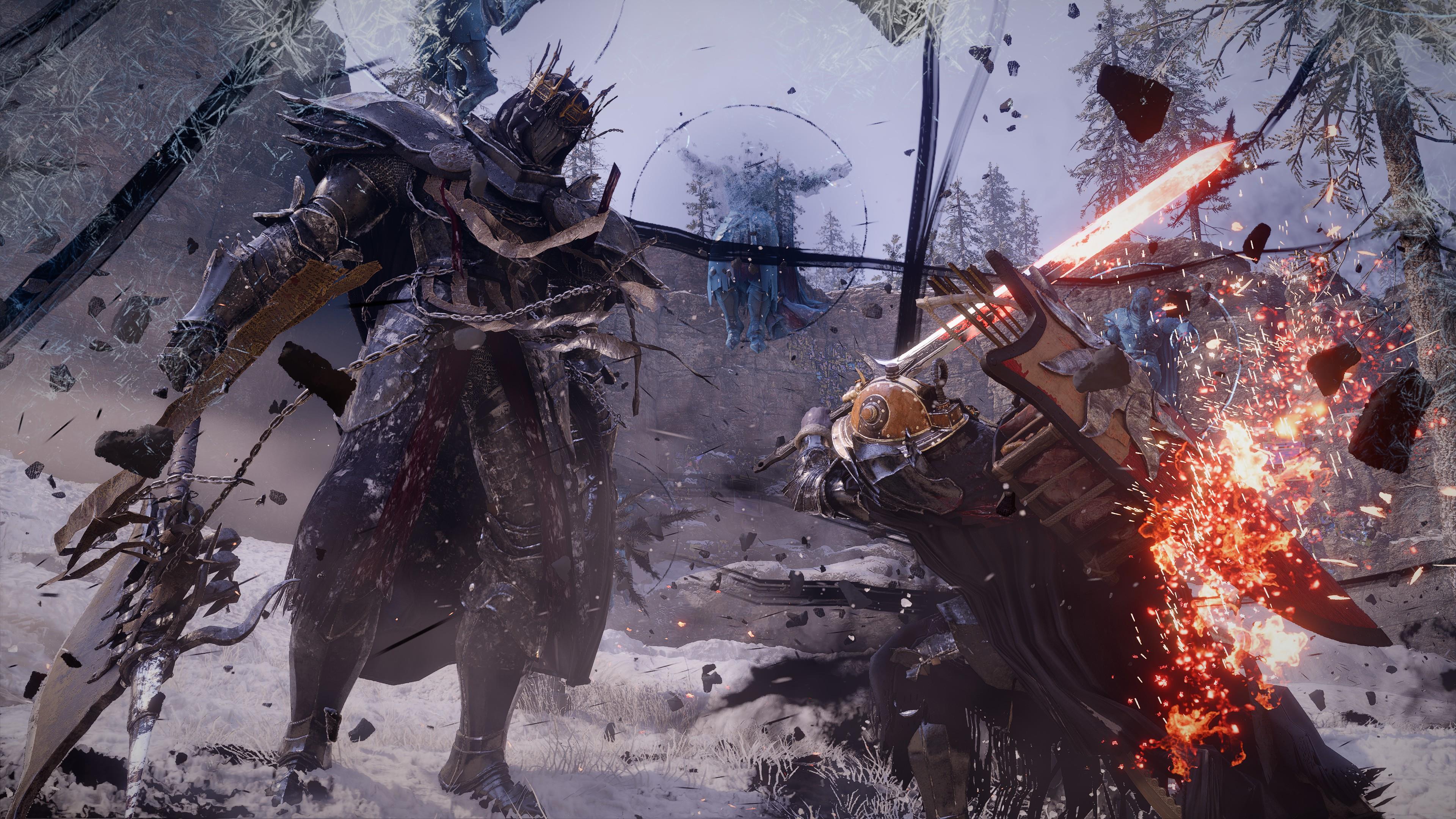
Crimson Desert has received a broad set of post-launch improvements, including new difficulty settings, expanded fast travel, better inventory/storage, new mounts and pets, and gameplay/UI fixes. The updates make exploration and combat more approachable, but this is routine live-service-style content rather than market-moving news. The article offers no financial metrics, and the impact is limited to player experience and engagement.
This looks less like a one-time launch pop and more like a post-release conversion reset: the title is now being repositioned from punishing niche ARPG to broadly accessible live game. That matters because games with steep onboarding friction often under-monetize their installed base; improving navigation, inventory, and clarity typically lifts retention and conversion far more than headline content drops. The second-order winner is not just the publisher, but any adjacent monetization stack tied to long-tail engagement, especially if the title’s player curve was previously being capped by churn in the first 3-10 hours.
The competitive read-through is that the market may be underestimating how much “quality-of-life debt” can suppress lifetime value in a premium/open-world release. Once a game crosses the threshold from frustrating to friction-light, the addressable audience expands into more casual and completionist players, which is the cohort most likely to buy DLC, cosmetics, or future expansions. That makes this more relevant as a signal for other launch-era titles with mixed reviews: a meaningful fraction of post-launch improvement is effectively demand creation, not just bug fixing.
The risk is that these changes can also flatten the game's differentiation if difficulty and exploration are normalized too aggressively; core fans may view it as design dilution, while new users may still judge it against higher-polish incumbents. The key catalyst window is the next 1-3 content updates and any performance/retention metrics that can validate a sustained cohort re-acceleration. If engagement doesn’t inflect after the quality-of-life patch cycle, this becomes a one-off sentiment boost rather than a durable monetization re-rating.
Contrarian view: the consensus may be too focused on the magnitude of the patch list and not enough on whether the title’s commercial ceiling is already set by category competition. For a premium game, better UX helps, but it does not fix genre overcrowding or pricing resistance. The more interesting trade is to fade the idea that all post-launch improvements equal durable upside; in many cases, the stock moves first and the retention math confirms later.
AI-powered research, real-time alerts, and portfolio analytics for institutional investors.
Request DemoOverall Sentiment
mildly positive
Sentiment Score
0.35
