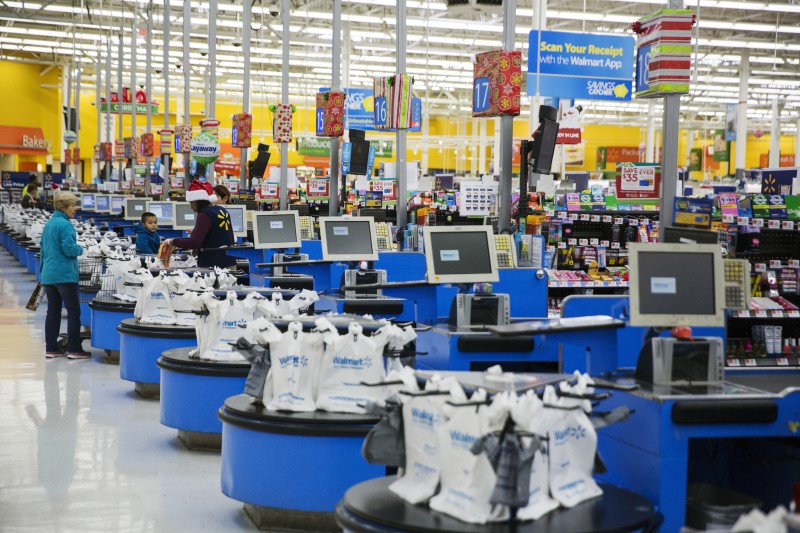
U.S. retail sales unexpectedly rose 0.6% month-on-month in August, surpassing the 0.2% forecast and matching July's revised growth, largely driven by e-commerce demand. This stronger-than-anticipated consumer spending data emerges just before the Federal Reserve's interest rate decision, where markets anticipate a 25-50 basis point cut, indicating a potential divergence between robust retail figures and ongoing concerns about a weakening labor market and declining consumer sentiment.
U.S. retail sales demonstrated unexpected resilience in August, rising 0.6% month-on-month, which tripled the consensus forecast of 0.2% and matched July's upwardly-revised growth. This performance was largely propelled by a 2.0% surge in online sales, although motor vehicle sales growth decelerated to 0.5% from 1.7% in the prior month. While the headline figure and the 5.00% year-on-year expansion initially suggest a hawkish impulse for monetary policy, the context reveals a significant divergence. The data precedes a Federal Reserve meeting where markets have almost fully priced in a 25 basis point rate cut, indicating the central bank's focus is squarely on the 'softening jobs picture' rather than the current strength in consumer spending. This view is further complicated by a notable decline in consumer sentiment, with the University of Michigan's gauge falling to its lowest point since May due to household fears over tariff-fueled inflation eroding purchasing power. The fact that the retail sales data is not adjusted for inflation underscores this risk, suggesting a potential gap between nominal spending and real economic activity.
AI-powered research, real-time alerts, and portfolio analytics for institutional investors.
Request DemoOverall Sentiment
mixed
Sentiment Score
0.05
Ticker Sentiment
