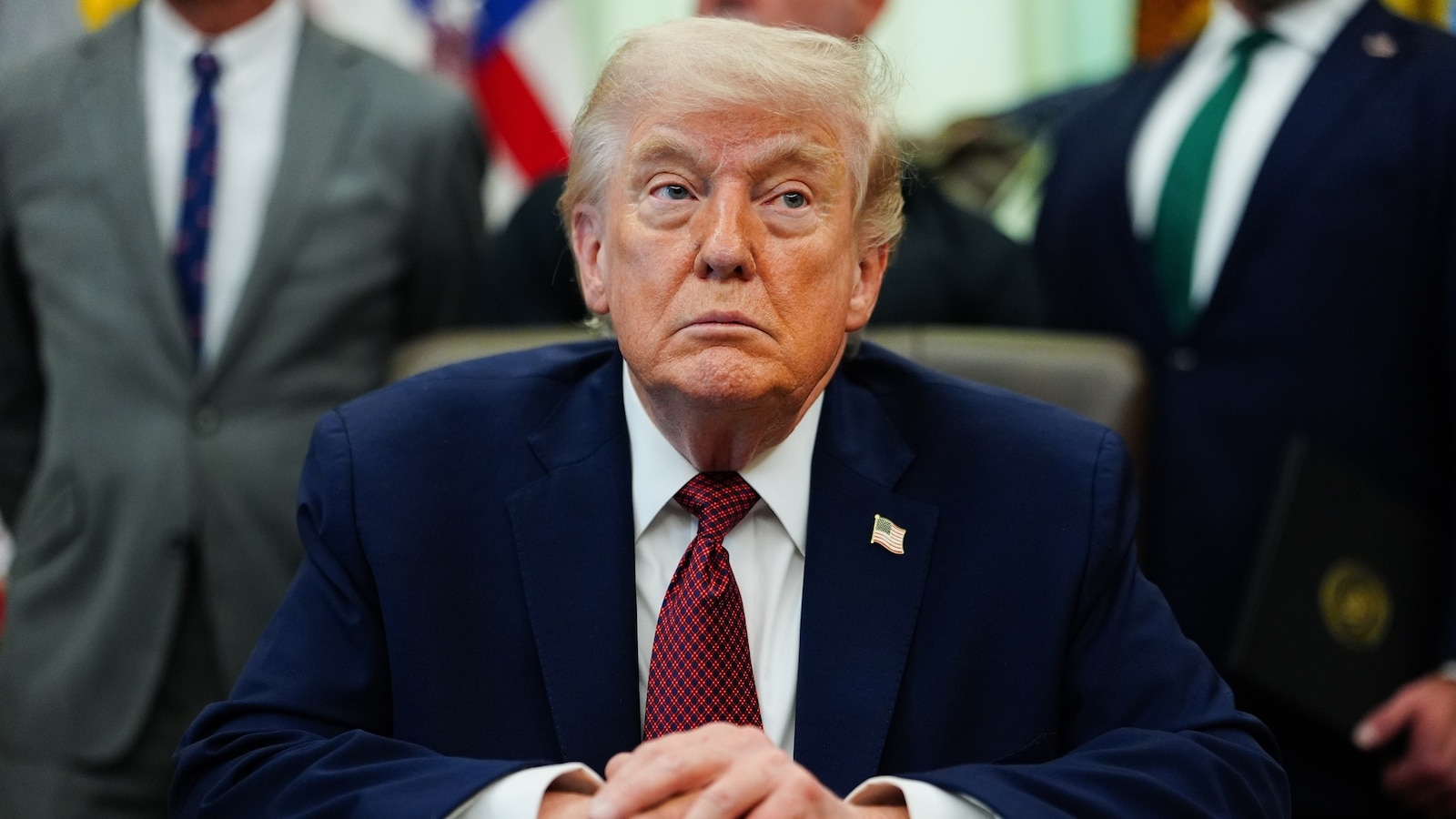
Trump said a peace agreement with Iran "will happen one way or another," escalating rhetoric amid ongoing tensions over control of the Strait of Hormuz. He described reported gunfire against at least two ships as a "very serious violation" of the ceasefire, underscoring elevated geopolitical risk for shipping lanes and oil markets. The comments suggest continued volatility around U.S.-Iran negotiations and regional maritime security.
This reads as a classic escalation premium event rather than a clean directional one: near-term, the market should price higher probability of intermittent disruption in the Strait of Hormuz, but not a full supply shutdown. The first-order impulse is higher crude and freight volatility; the second-order beneficiary is any asset class that monetizes insured, contractual, or regulated cash flows while the market re-prices tail risk in energy and shipping.
The more interesting setup is that the marginal winner is not just upstream oil, but the entire defense-infrastructure stack if Washington moves from rhetoric to enforcement. A tougher posture on maritime control typically means sustained demand for surveillance, anti-drone, missile defense, electronic warfare, and naval logistics, with budgets that outlast the headlines by quarters to years. That makes the trade less about one overnight oil spike and more about a multi-month re-rating of defense order visibility and ship-route risk premia.
Consensus may be underestimating how quickly a “limited” disruption can propagate into refined products and non-energy inflation. Even without a major crude outage, tanker rerouting, higher war-risk insurance, and port delays can tighten diesel and jet spreads faster than Brent itself, which hits airlines, trucking, chemicals, and emerging-market importers before headline oil fully reflects it. The reverse trigger is a credible de-escalation signal tied to verified maritime behavior, not just rhetoric; absent that, the risk premium can persist for several weeks.
The contrarian angle is that the market may overfocus on crude beta and underprice volatility itself. If this stays in the gray zone—no supply shock, but no resolution—energy equities can lag a move in oil because refined-product, shipping, and defense beneficiaries do better than plain-vanilla E&Ps. That argues for expressing the view through relative value and options rather than outright beta.
AI-powered research, real-time alerts, and portfolio analytics for institutional investors.
Request DemoOverall Sentiment
moderately negative
Sentiment Score
-0.55
