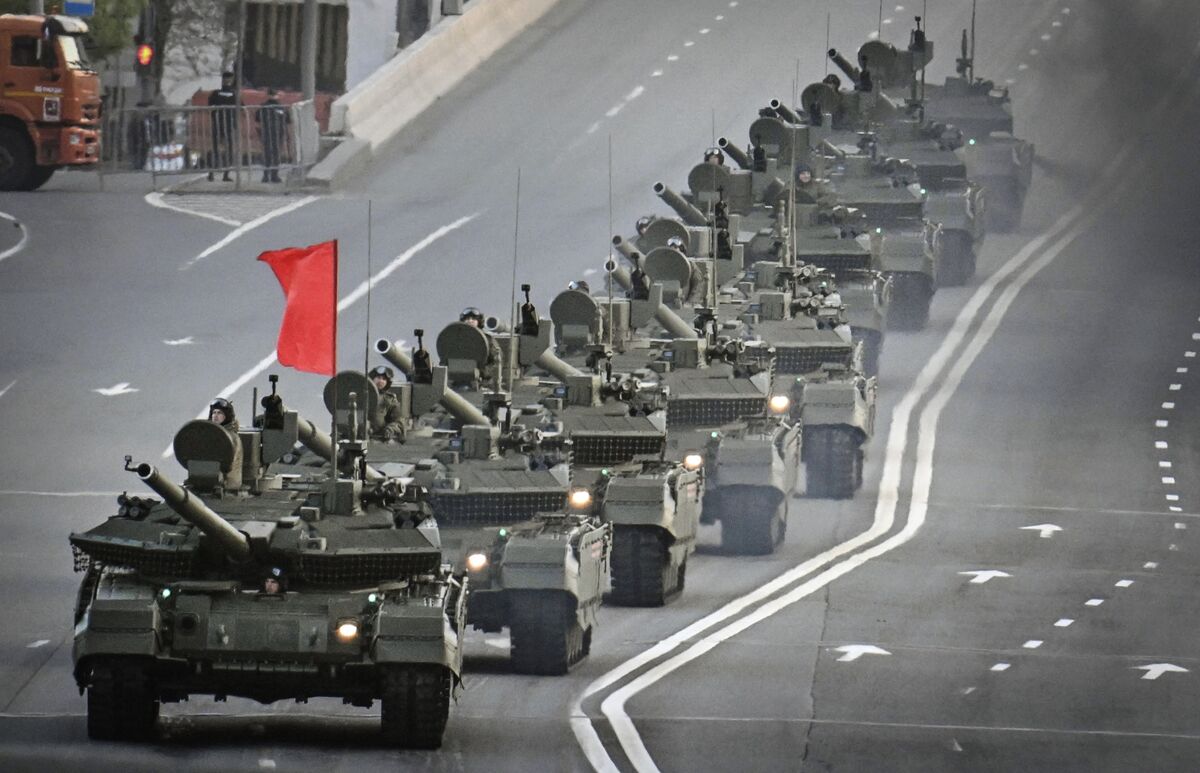
President Vladimir Putin announced Russia's intent to reduce defense spending, acknowledging significant budgetary strain and inflationary pressures from current outlays, which stand at 6.3% of GDP. However, he conditioned any cuts on the outcome of the war in Ukraine, signaling continued high military expenditure until victory is secured. This highlights Moscow's recognition of the conflict's economic cost while prioritizing its strategic objectives.
Russian President Vladimir Putin's statement signals a significant internal conflict between military ambition and economic sustainability. By acknowledging that defense spending, currently at 6.3% of GDP, is a budgetary problem contributing to inflation, Moscow is officially recognizing the severe economic strain imposed by the war in Ukraine. However, this acknowledgment is critically undermined by the condition that any spending cuts are contingent on 'winning' the conflict. This linkage reveals that geopolitical objectives continue to take absolute precedence over fiscal prudence. The statement does not indicate an imminent policy shift but rather a long-term aspiration, suggesting that high military expenditure and its associated economic pressures will persist for the foreseeable future, locking in a high-risk macroeconomic environment.
AI-powered research, real-time alerts, and portfolio analytics for institutional investors.
Request DemoOverall Sentiment
moderately negative
Sentiment Score
-0.50
