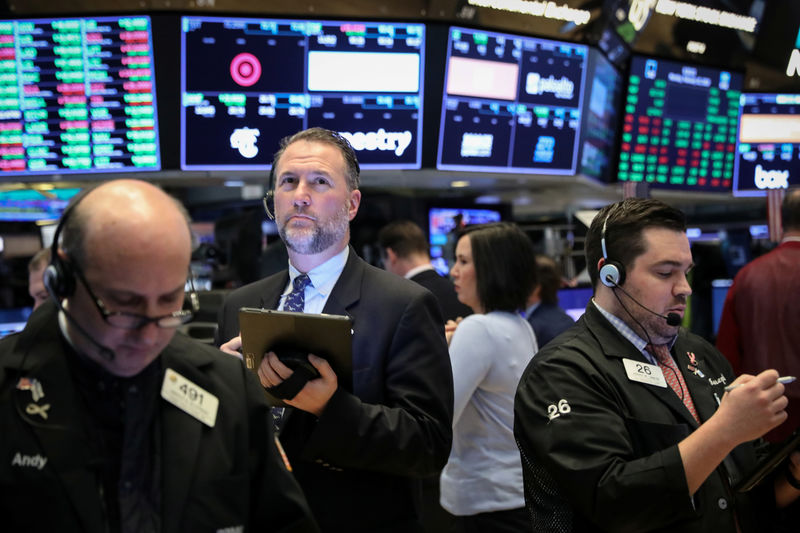
Oil prices erased earlier gains as U.S.-Iran peace talks reportedly continued despite fresh airstrikes, keeping Middle East risk elevated and reinforcing volatility across markets. Oracle fell after forecasting capital expenditures of up to $95 billion in fiscal 2027 and $40 billion in financing, overshadowing stronger quarterly earnings and fueling concerns about AI spending sustainability. U.S. futures were higher at the time of reporting, with S&P 500 futures up 0.8%, Nasdaq 100 futures up 1.1%, and Dow futures up 0.8%.
The market is treating the Middle East headline risk as a volatility event rather than a regime shift, which matters more for positioning than for directional oil forecasting. The immediate beneficiary is not energy beta so much as implied-vol suppression in equities if talks continue; that supports index futures and high-multiple growth names that were getting de-grossed on macro fear. The second-order winner is defensives tied to lower input-cost pass-through, while the obvious loser is any single-name with extreme AI capex elasticity and weak free-cash-flow credibility.
Oracle is the cleanest expression of that credibility problem: when a company needs to front-load extraordinary infrastructure spending, the market stops pricing earnings and starts pricing financing risk, dilution risk, and utilization risk. That pressure should spill over to the broader AI supply chain, especially exposed hyperscale-enablers and high-duration semis, because investors will question whether demand is pulling through fast enough to justify multi-year capacity commitments. The key nuance is that this is less about one quarter and more about whether AI vendors can keep price discipline while competitors cut prices, which would compress the ROI of the entire capex stack.
The inflation print is the near-term catalyst that can override geopolitics. If producer prices come in hot, the rate-cut narrative can unwind further and re-penalize long-duration tech even if tensions de-escalate, creating a nasty cross-asset setup where oil risk fades but discount rates still rise. Conversely, if inflation cools and the Middle East headline noise remains contained, the current rotation out of tech could mean-revert sharply over 1-3 weeks because positioning has already become more cautious than fundamentals warrant.
The contrarian view is that the market may be underestimating how quickly diplomatic signaling can collapse the geopolitical premium while overestimating the persistence of AI capex skepticism. In that case, the recent selloff in semis and cloud infrastructure could prove tactical rather than structural, especially if financing markets stay open and hyperscale demand remains intact. The cleaner trade is not outright chasing tech beta, but owning the names with durable balance sheets and shorting the weakest cash-flow narratives.
AI-powered research, real-time alerts, and portfolio analytics for institutional investors.
Request DemoOverall Sentiment
mildly negative
Sentiment Score
-0.15
Ticker Sentiment
