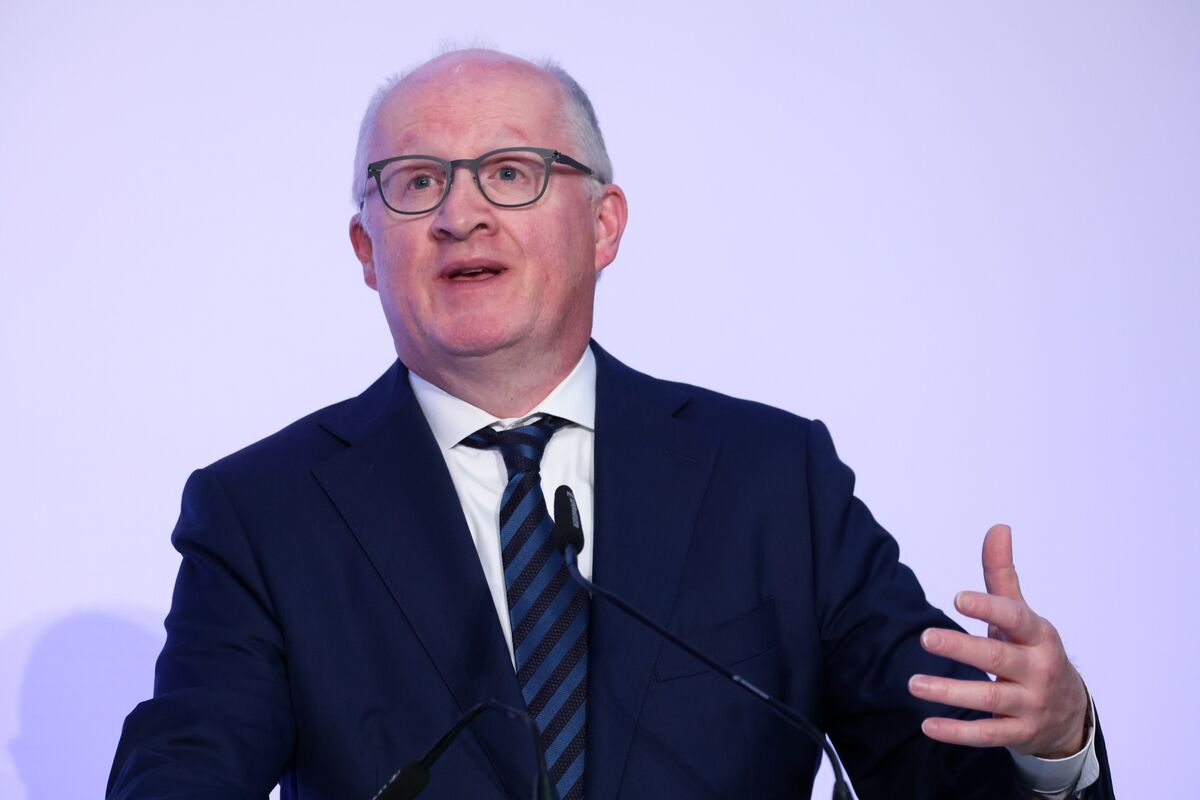
ECB Chief Economist Philip Lane warned inflation may remain above the 2% target for quite some time, citing forward-looking signals that point to inflationary pressures in the coming months. He referenced purchasing managers surveys and selling-price expectations as evidence of persistent price pressure. The remarks reinforce a hawkish ECB stance and suggest rates may stay restrictive longer.
The key second-order effect is that a persistently sticky ECB inflation backdrop raises the terminal-rate distribution more than the near-term policy path. That matters because euro rates are already pricing a fair amount of easing; if that gets pushed out, the front end should reprice while the belly is vulnerable to a bear-flattening move as investors fade any rapid disinflation narrative. In practical terms, the market is being forced to reassess how much of the 2025 growth scare is already embedded in sovereign curves versus how much still sits in rate-cut expectations.
The broader loser set is duration-sensitive equity and credit proxies rather than only nominally “rate-sensitive” sectors. European small caps, utilities, REITs, and highly levered consumer names are the most exposed if real yields stay higher for longer, while banks may initially look supported by wider margins but can underperform if higher-for-longer rates start to bite loan demand and credit quality with a 2-4 quarter lag. On the winners side, financials with deposit franchises and pricing power should be relatively better than cyclicals dependent on refinancing or discretionary spending.
The catalyst path is asymmetric: the next 1-6 weeks will be driven by incoming pricing and survey data, but the more important risk is whether this becomes a self-reinforcing services wage story into summer. A downside reversal would require a clean cooling in forward price indicators and a softer wage print sequence; absent that, the ECB’s optionality to cut shrinks materially. The contrarian angle is that consensus may be overestimating how quickly policy can normalize after a disinflation phase — the current regime can persist longer than positioning implies, creating pain for anyone leaning too hard into early easing.
Trade-wise, I’d favor fading euro duration rallies rather than chasing spot FX. The cleanest expression is short Bund futures versus long U.S. Treasuries on the view that ECB pricing is more vulnerable to sticky services inflation than the Fed’s path; alternatively, buy payer spreads on EUR rates volatility for 1-3 month tenor. For equities, stay underweight European REITs and utilities versus banks or quality exporters, with the risk that a sharp growth miss overrides the inflation setup and forces a rapid dovish repricing.
AI-powered research, real-time alerts, and portfolio analytics for institutional investors.
Request DemoOverall Sentiment
mildly negative
Sentiment Score
-0.30
