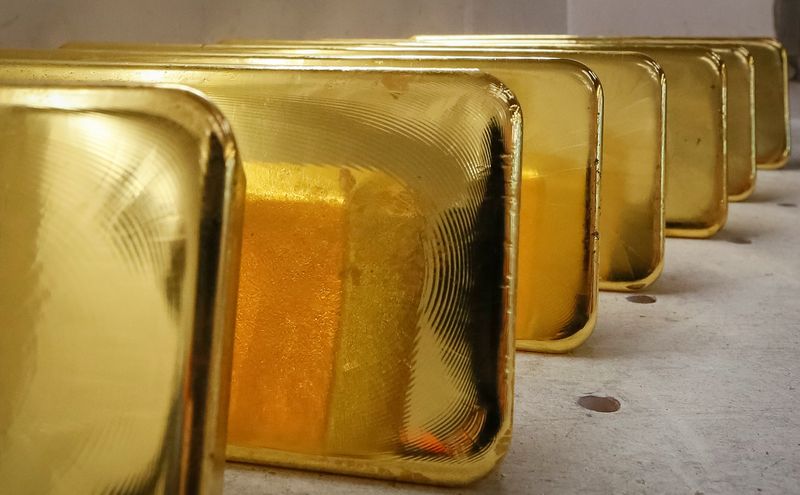
Spot gold slipped 0.1% to $4,999.66/oz (futures $5,004.36/oz), trading in a $5,000–$5,200/oz range as oil and gas surged on renewed Iran-related supply fears. Disruptions around the Strait of Hormuz and attacks on Gulf production have lifted energy prices, worsening inflationary pressure and prompting markets to price a single 25-basis-point Fed cut in 2026 (down from 2–3 cuts earlier). The stronger dollar and prospects of higher-for-longer rates are capping gold’s safe-haven demand; major central-bank meetings (Fed, BoC, BoJ, SNB, BoE, ECB) this week are the key catalysts to watch.
The market is bifurcating between a near-term energy-driven inflation shock and a medium-term rates story: elevated oil-related risk premiums are increasing the probability that the Fed and other DM central banks delay meaningful rate cuts into 2026, which supports nominal yields and the USD even as geopolitical risk would normally lift real safe-haven assets. That creates a narrow regime where oil producers and energy-related carry strategies outperform while duration and unhedged foreign-currency exposure underperform; volatility in real yields (not just nominal) will be the clearest signal to rotate.
Second-order winners include tanker owners, war-risk insurers, and fossil-fuel capex beneficiaries: higher route risk and insurance costs widen tanker freight spreads and FFA values, and reduce LNG/chemical shipping elasticity, compressing global refining and logistics throughput in ways that favor integrated players with storage/transport footprints. Conversely, containerized global trade sees margin pressure from rerouting and idled sailings, which will accelerate modal substitution and could permanently impair global just-in-time supply chains for a subset of discretionary goods.
Tail outcomes matter: a short, sharp closure risk to Hormuz would push oil into an economic-stagflation regime where real rates fall and gold reclaims its safe-haven role quickly—this is a low-probability, high-payoff scenario that conventional linear carry trades underprice. Watch three fast indicators over the next 30–90 days: tanker FFA curves (contango/backwardation shifts), 5y5y forward inflation swaps, and the Dollar Index’s reaction to Fed dot adjustments; any synchronous move in those three signals a regime break and requires rapid portfolio rebalancing away from rate-sensitive longs into commodity and real-asset exposures.
AI-powered research, real-time alerts, and portfolio analytics for institutional investors.
Request DemoOverall Sentiment
neutral
Sentiment Score
-0.05
Ticker Sentiment
