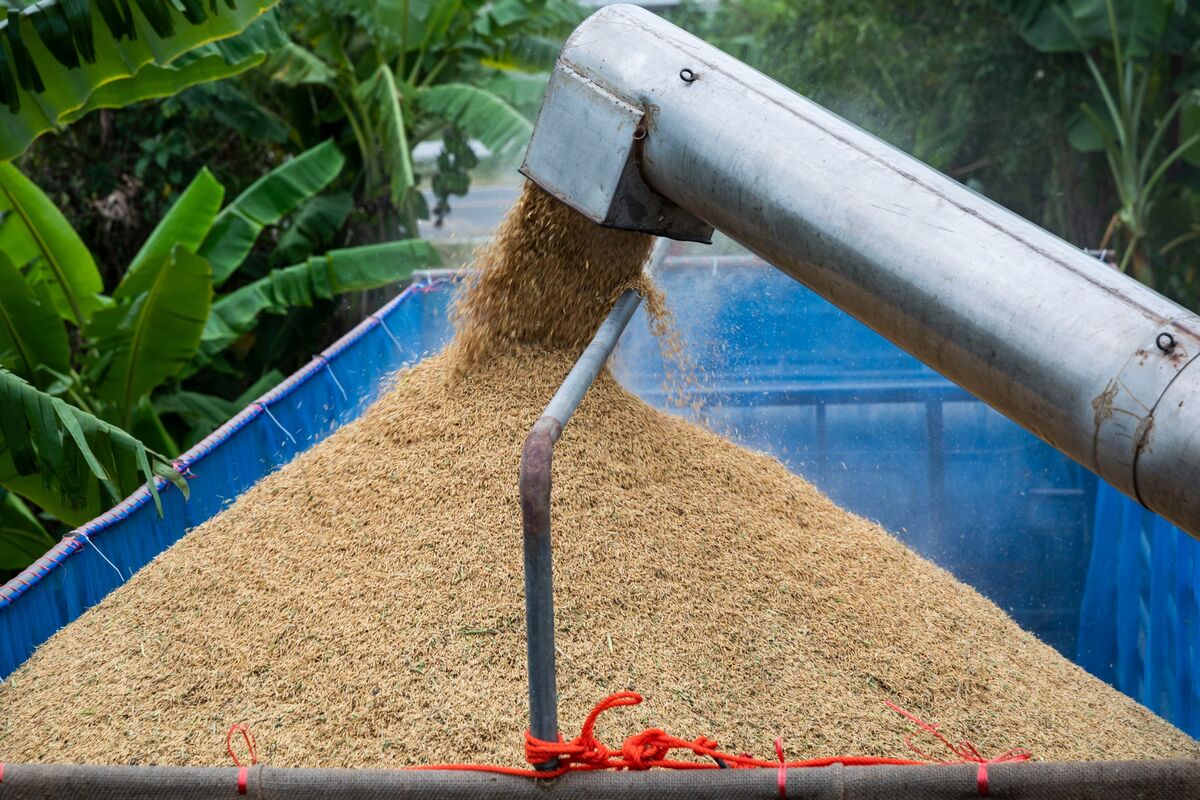
The Philippines, the world's largest rice importer, is seeking to diversify its rice supply sources beyond Vietnam, its primary supplier, to ensure stable supplies and competitive pricing. The agriculture department is in discussions with private importers to explore purchases from countries including India, Pakistan, Cambodia, Myanmar, Indonesia and Thailand. This move aims to reduce reliance on a single source and potentially lower import costs.
The Philippines, identified as the world's foremost rice importer, is strategically diversifying its rice procurement beyond Vietnam, its current principal supplier, to ensure stable supplies and competitive domestic prices. Agriculture Secretary Francisco Tiu Laurel confirmed ongoing discussions with private importers to source from alternative producers such as India, Pakistan, Cambodia, and Myanmar, with potential agreements also being explored with Indonesia and Thailand. This policy shift aims to mitigate reliance on a single source and enhance food security. The initiative is viewed with "moderately positive" sentiment and an "optimistic" tone, suggesting anticipated benefits for the Philippine economy. The associated "moderate market impact score" (0.55) indicates that these changes could influence regional rice trade flows and pricing dynamics, affecting both exporting and importing nations, particularly within the crucial "Commodities & Raw Materials" and "Trade Policy & Supply Chain" themes.
AI-powered research, real-time alerts, and portfolio analytics for institutional investors.
Request DemoOverall Sentiment
moderately positive
Sentiment Score
0.45
