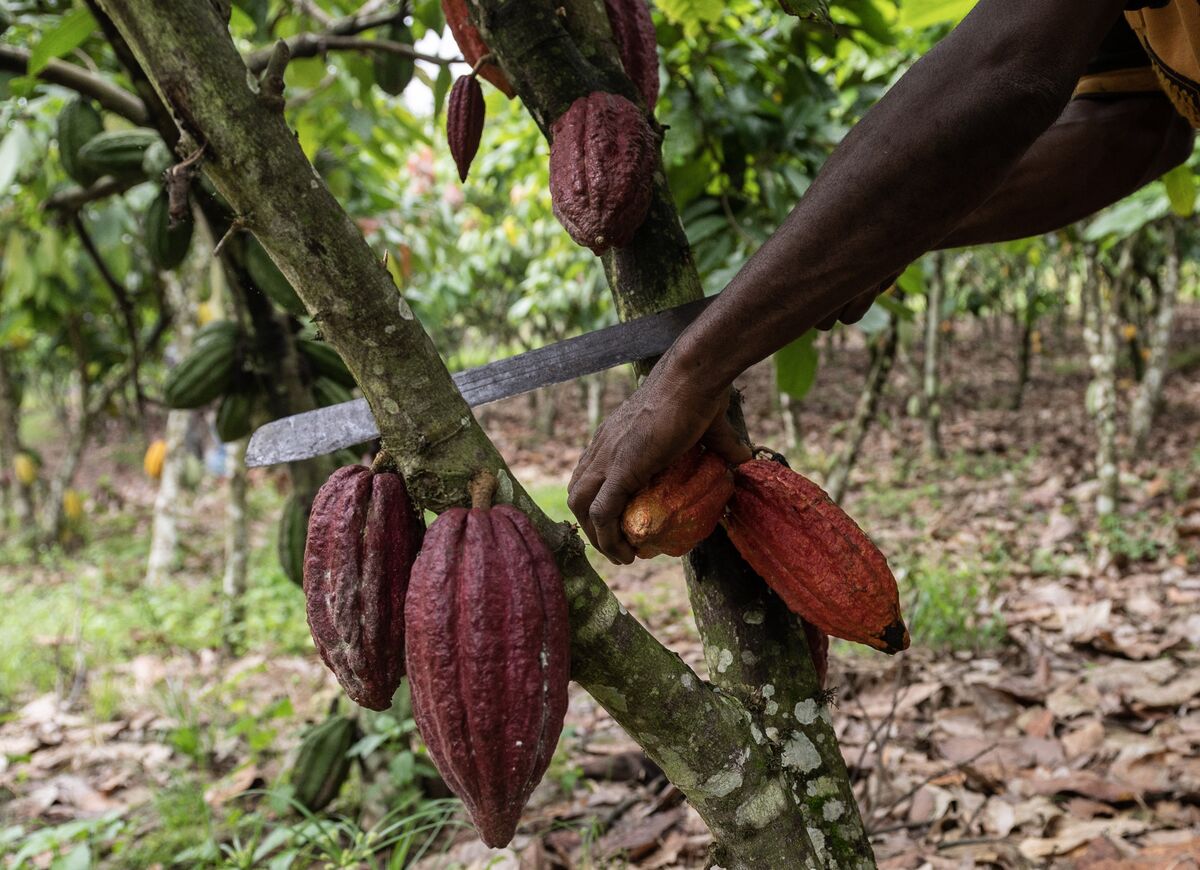
Ivory Coast cocoa production is projected to fall to about 1.8 million tons next season from roughly 2.2 million tons this year, implying a drop of around 20%. Traders say poor pod development is driving the weaker outlook, which could tighten global cocoa supplies. The report is negative for cocoa prices and reinforces a supply-side shortage risk.
The key market implication is not just a smaller West African crop, but a higher probability of a supply-side regime shift in cocoa term structure: nearby tightness can persist even if the forward crop later improves, because grinder and merchant inventories are already lean after multiple seasons of weather and disease stress. That tends to widen backwardation, lift nearby differentials, and punish anyone short physical coverage into the main buying window. The second-order winners are alternative origin suppliers and exporters with cleaner beans or better logistics, while the losers are chocolate manufacturers with weak pricing power and high spot exposure.
The market may be underestimating how quickly a pod-count miss becomes an earnings event for confectionery firms, because cocoa is a relatively small revenue line but a very large margin driver when input costs move this fast. The pass-through lag is typically months, not weeks, so the first leg is margin compression before retail prices fully reset. If the crop score deteriorates further into the mid-year flowering period, the downside asymmetry shifts sharply in favor of cocoa bulls because traders will need to price in both smaller supply and higher hedging demand from industrial users.
The main contrarian risk is that the estimate is early and highly reversible: favorable rains, reduced disease pressure, or stronger farmer incentives can restore pod fill enough to temper the panic by the next assessment cycle. Also, if prices spike too far too fast, demand rationing will show up in chocolate tablet sizes, promotions, and blend changes, which can cap the rally over a 3-6 month horizon. So the trade is best expressed as a tactical squeeze rather than a secular long unless the next pod-count checks confirm the same trend.
The cleanest setup is to own cocoa upside convexity into the next two field-read periods, while keeping defined downside if the crop improves. Relative-value is better than outright here: long cocoa versus short a basket of food-input beneficiaries with limited cocoa exposure, or long a chocolate manufacturer put spread versus long-dated cocoa call spread to isolate margin compression. If you want equity beta, prefer producers/merchants with inventory optionality over packaged-food names, since the former can benefit from volatility while the latter eat the hedge cost.
AI-powered research, real-time alerts, and portfolio analytics for institutional investors.
Request DemoOverall Sentiment
moderately negative
Sentiment Score
-0.45
