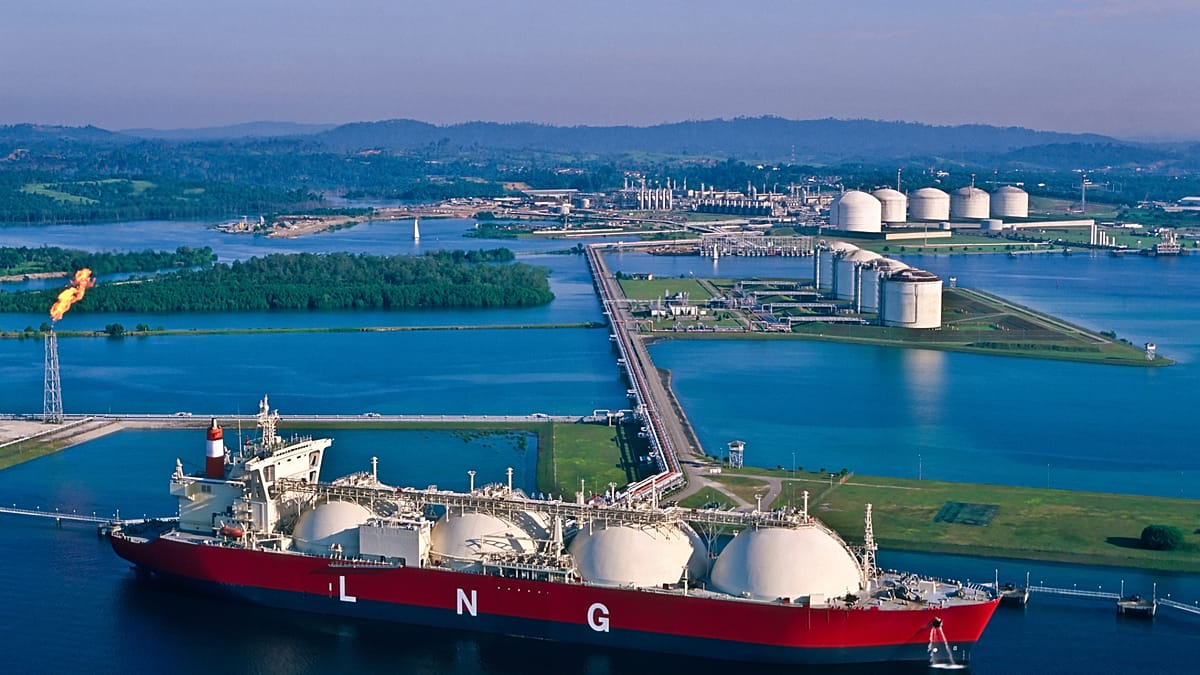
Iranian drone strikes that forced the shutdown of Qatar’s Ras Laffan LNG export complex and disrupted shipping through the Strait of Hormuz have tightened global LNG supply and pushed the Dutch TTF benchmark sharply higher. The EU imported over 140 bcm of LNG in 2025, with the US supplying ~58% of those volumes; Italy sourced ~30% of its LNG from Qatar last year, Belgium ~8%, and Poland ~17%, while EU storage averages ~30% (Belgium ~25.5%, Italy ~47%, Poland ~50%, Portugal >76%). Brussels has convened emergency coordination and is weighing demand cuts, joint LNG purchasing and cross-border storage sharing as Qatar warns normalisation could take weeks to months — a development likely to drive short-term price volatility and competitive spot-market buying across exposed EU buyers.
Market structure: Immediate winners are LNG sellers and non-Middle East suppliers — US exporters (58% of EU LNG in 2025) and Norwegian producers — while EU importers with high Qatari exposure (Italy ~30% of its LNG, Poland 17%, Belgium 8%) and low storage (Belgium 25.5%, EU avg ~30%) are vulnerable to spot-price spikes. Expect spot TTF volatility to spike: a sustained Qatar outage of weeks–months will shift 5–10+ bcm of cargoes onto the spot market, raising European gas price baselines by 20–50% vs. pre-shock levels in stressed months.
Risk assessment: Tail risk includes a Strait of Hormuz transit closure or prolonged Ras Laffan outage (>3 months) that forces EU storage drawdowns from 30% to <15% ahead of winter and triggers rationing/price caps; insurance/charter costs could double freight rates in weeks. Short-term (days–weeks) sees volatility and counterparty liquidity strain; medium-term (3–12 months) raises fiscal transfers and accelerated contracting for US/LNG cargos; long-term (>12 months) accelerates renewables/storage capex and regulatory interventions.
Trade implications: Favor LNG exporters and integrated majors with LNG exposure (Cheniere LNG, TotalEnergies TTE, Equinor) and commodity convexity (Brent). European gas-heavy utilities (ENGIE, E.ON) and countries with low reserves (Belgium-linked exposures, small retailers) face margin compression and should be underweighted. Implement volatility-driven option plays on TTF/Brent and hit-and-run cargo arbitrage trades.
Contrarian angles: Consensus assumes spot rerouting solves shortages; missing is cargo scheduling friction (loading windows, pipeline bottlenecks) and insurance-driven supply rationing that can keep premiums high for months. Markets may overshoot on utility deleveraging; that creates mispriced entry points in high-quality integrated energy names and in storage/grid-capex contractors that will win multi-year fiscal support.
AI-powered research, real-time alerts, and portfolio analytics for institutional investors.
Request TrialOverall Sentiment
moderately negative
Sentiment Score
-0.50
Ticker Sentiment
