

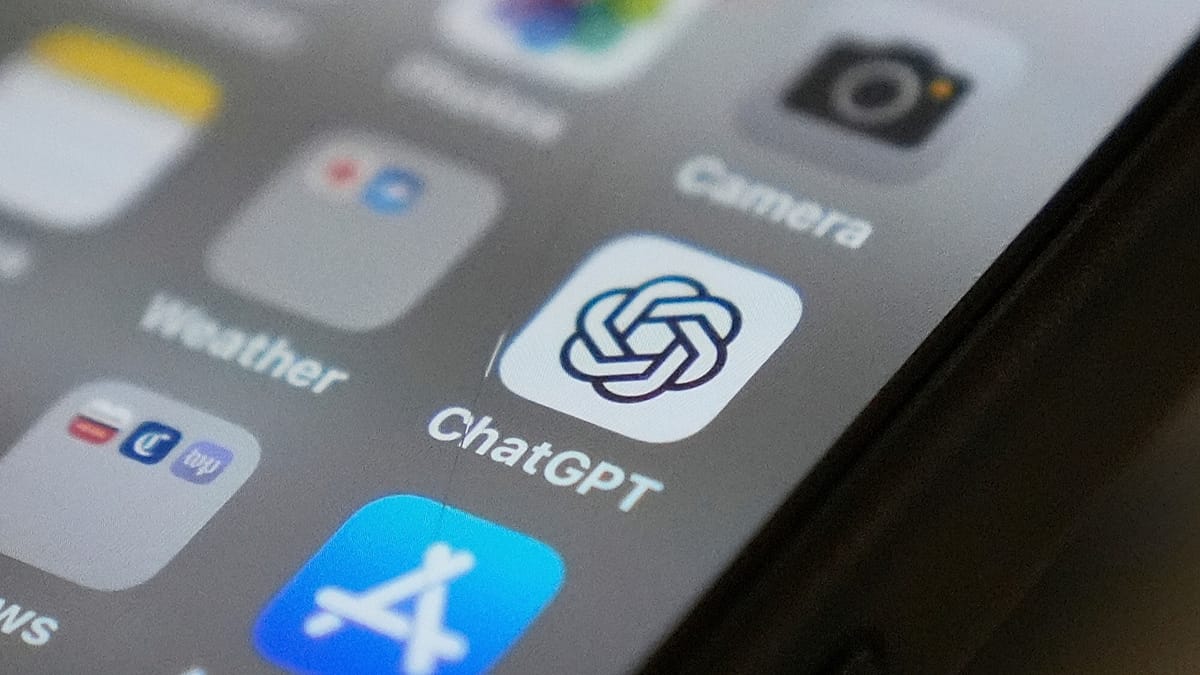
QuitGPT, a consumer boycott campaign claiming more than 1.5 million actions, is urging users to cancel ChatGPT subscriptions after reports that OpenAI agreed to deploy its models in the US Department of Defense’s classified network; the surge followed Anthropic CEO Dario Amodei’s refusal to grant the Pentagon unrestricted access amid a reported $200m contract threat. The campaign accuses OpenAI of sacrificing safety for profit, plans a March 3 protest at OpenAI’s San Francisco HQ, and poses reputational and subscription-risk for OpenAI while increasing regulatory and political scrutiny and opening opportunities for rival AI providers.
Market structure: The QuitGPT movement creates a reputational shock for consumer-facing OpenAI products but is unlikely to meaningfully dent market share versus mega-cap peers; 1.5M claimed actions is <2% of an estimated 100M+ ChatGPT user base and likely under 5% of paid subscribers, so pricing power shifts are small near-term. Winners are large, diversified AI providers (GOOGL/GOOG) and enterprise-focused vendors that can credibly sign government contracts; losers are standalone consumer AI apps and privacy-sensitive niche players who lack enterprise monetization. Cross-asset: expect slightly higher IV in AI equity options and rotation into defense equities and USD; sovereign bonds may see minor safe-haven demand only in extreme geopolitical escalation scenarios.
Risk assessment: Tail risks include aggressive regulation/exec orders or a major ethics breach that could force system shutdowns (10-25% probability over 12 months) and supply-chain shocks to GPU availability that raise costs (15% risk). Time horizons: immediate (days) — PR-driven equity volatility; short-term (weeks–3 months) — subscription churn could create a 0.5–2% revenue hit for exposed firms if sustained; long-term (3–36 months) — consolidation around few enterprise-capable models could add 1–3% incremental revenue CAGR to winners. Hidden dependencies: public sentiment can accelerate government procurement choices and push customers to Google's cloud stack (GCP) and hardware partners (NVDA), amplifying winner-take-most dynamics.
Trade implications: Tactical: establish a 2–3% long position in GOOGL (class A) over 3–9 months to capture potential enterprise/DoD deal upside, funded by trimming 1–2% from high-beta consumer AI small-caps; hedge with 1% portfolio allocation to 3-month OTM puts at ~8–10% down. Options: buy a GOOGL 3-month call spread (buy 0–5% ITM, sell 15–20% OTM) to cap cost and target +8–15% upside. Rotate 1–3% into large-cap defense names (e.g., LMT, RTX) on any escalation of government AI procurement announcements within 30–90 days.
Contrarian angles: The consensus overstates the boycott’s scale; if churn stays below ~5% of paid subs, market reaction is overdone and opens a buying window for GOOGL/GOOG on any pullback >6–8% from pre-news levels. Historical parallels (post-Snowden privacy scares) show platform stickiness rebounds once enterprise contracts/utility benefits lock in customers. Unintended consequence: successful consumer boycotts may accelerate enterprise consolidation to Google/Anthropic, concentrating revenue and raising regulatory scrutiny — a multi-quarter risk that can compress multiples despite revenue gains.
AI-powered research, real-time alerts, and portfolio analytics for institutional investors.
Request TrialOverall Sentiment
moderately negative
Sentiment Score
-0.45
Ticker Sentiment
