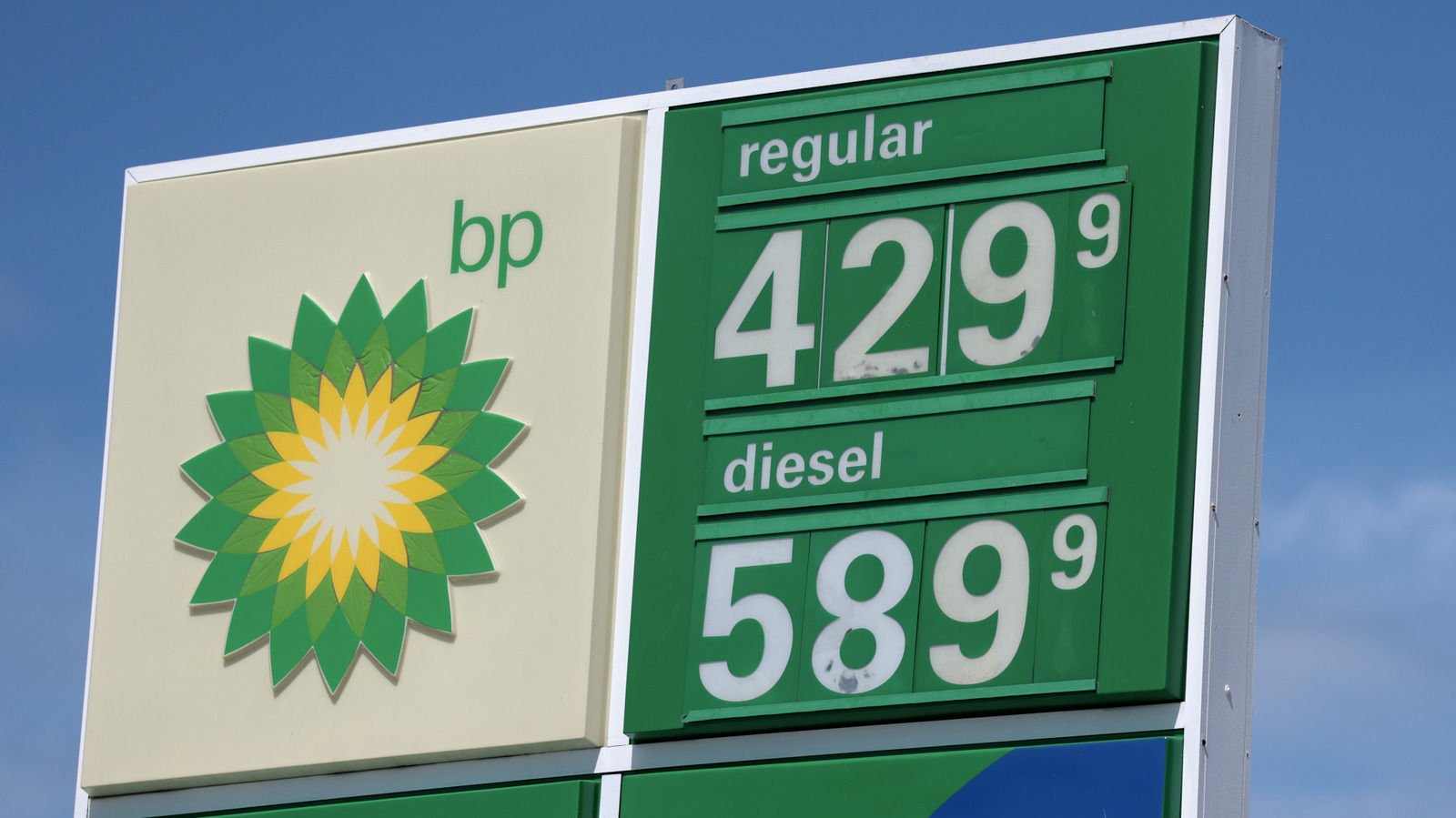
U.S. diesel prices have risen to about $5.55 per gallon in April 2026, versus roughly $4.10 for regular gasoline, leaving diesel $1.45/gallon higher and nearly doubling its increase since the start of 2026. The article attributes the surge to tight diesel supply, refinery complexity from ultra-low sulfur diesel standards, and geopolitical disruptions including conflict and a potentially constrained Strait of Hormuz. Because diesel underpins trucking, shipping, farming, and heating oil, the move carries broad inflationary implications across the economy.
The market is underappreciating that diesel is the marginal fuel for the real economy, so the price signal transmits first through freight, agriculture, construction, and last-mile logistics before it shows up in consumer CPI. That creates a lagged earnings squeeze for asset-light distributors and e-commerce names with thin contribution margins: they can’t fully reprice shipping fast enough, and a 10-15% diesel move can hit delivery economics disproportionately versus headline gasoline inflation. The second-order effect is a widening gap between firms with embedded fuel surcharges and those that absorb transport costs to protect demand.
This is also a refinery-crack story, not just a crude story. If distillate remains tighter than gasoline, refining complexity and product mix become more important than direction in Brent; integrated names with refinery exposure can outperform upstream-only producers if middle distillates stay bid while crude stalls. The risk is that any normalization in shipping lanes or milder heating demand can unwind diesel scarcity faster than the market expects, because distillate inventories typically mean-revert quickly once logistics bottlenecks ease.
For equities, the near-term losers are high-volume, low-margin retailers and logistics-heavy platforms; the obvious public proxy here is AMZN, which should face pressure from higher line-haul and fulfillment costs unless it keeps pushing price and route density efficiencies. A more attractive expression is relative value: long refining capacity and short freight/logistics beta, because the first beneficiaries are the firms that can arbitrage product spreads, while the second group eats fuel inflation with limited pricing power. Over a 1-3 month horizon, this is a better trade than outright commodity longs because it isolates the bottleneck rather than betting on crude direction.
The consensus is likely too linear on inflation: headline fuel pain does not necessarily mean sustained broad CPI acceleration if gasoline stabilizes, but diesel can still keep industrial margins compressed. That makes the current move underappreciated for earnings revisions in Q2/Q3 rather than for macro forecasts. The key contrarian risk is that the market overweights geopolitics and underweights inventory/build seasonality; if distillate stocks rebuild into summer, the trade can fade quickly.
AI-powered research, real-time alerts, and portfolio analytics for institutional investors.
Request TrialOverall Sentiment
moderately negative
Sentiment Score
-0.35
Ticker Sentiment
