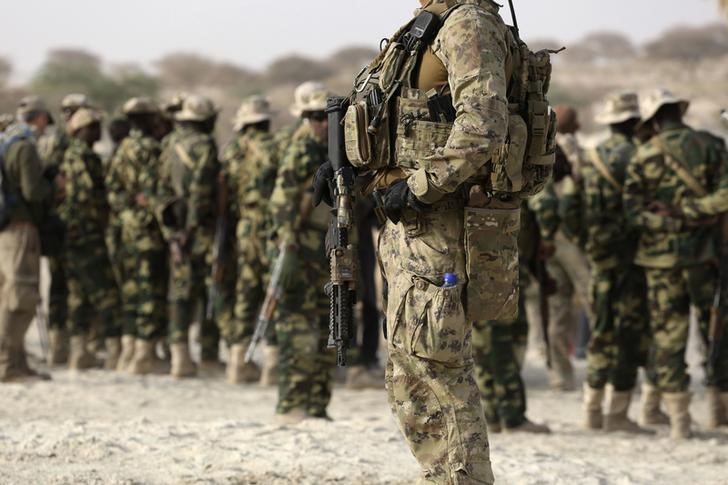
The U.S. is withdrawing 5,000 troops from Germany, including an army combat brigade, with the move expected to be completed in 6-12 months and reversing part of the earlier post-Ukraine buildup. The article also says OFAC warned shippers that paying Iran for safe passage through the Strait of Hormuz could trigger sanctions, including payments made via digital assets or in-kind swaps. The combined signal is risk-off for European defense posture and heightened sanctions pressure on Iran-related shipping routes.
The market is treating this as a knee-jerk geopolitics headline, but the more important implication is a gradual repricing of European defense and logistics self-reliance. A smaller U.S. footprint in Germany forces more procurement urgency across continental NATO, which is constructive for European defense primes, munitions, military mobility, and base-adjacent infrastructure over the next 6-18 months. The second-order effect is budget rotation: even if headline defense spending is already high, capital will shift toward transport, command-and-control, air defense, and stockpiled consumables rather than legacy platforms.
The sanctions notice on Hormuz payment mechanisms matters more for shipping economics than for crude itself in the first instance. It increases the probability of higher all-in transit costs, wider charter spreads, and longer settlement friction for any operator with Iranian exposure, which can ripple into container, tanker, and LNG logistics margins within days to weeks. If enforcement is real rather than rhetorical, the winners are firms with compliance-heavy, low-risk route exposure; losers are spot-sensitive carriers, gray-market intermediaries, and any broker model that depends on informal payment structures.
The move is probably underpriced if investors focus only on the troop headline and miss the strategic signal: Washington is explicitly pushing allies to internalize more of the defense burden while weaponizing financial and logistical chokepoints. That argues for a medium-term bid in European defense and selected shipping infrastructure, but not a blanket long on cyclicals because higher insurance, rerouting, and sanctions frictions are a margin tax. The main reversal risk is de-escalation in the Iran theater or a policy walk-back on troop reductions; both would compress the urgency premium quickly, likely within 1-3 months.
AI-powered research, real-time alerts, and portfolio analytics for institutional investors.
Request DemoOverall Sentiment
mildly negative
Sentiment Score
-0.25
Ticker Sentiment
